
Blog
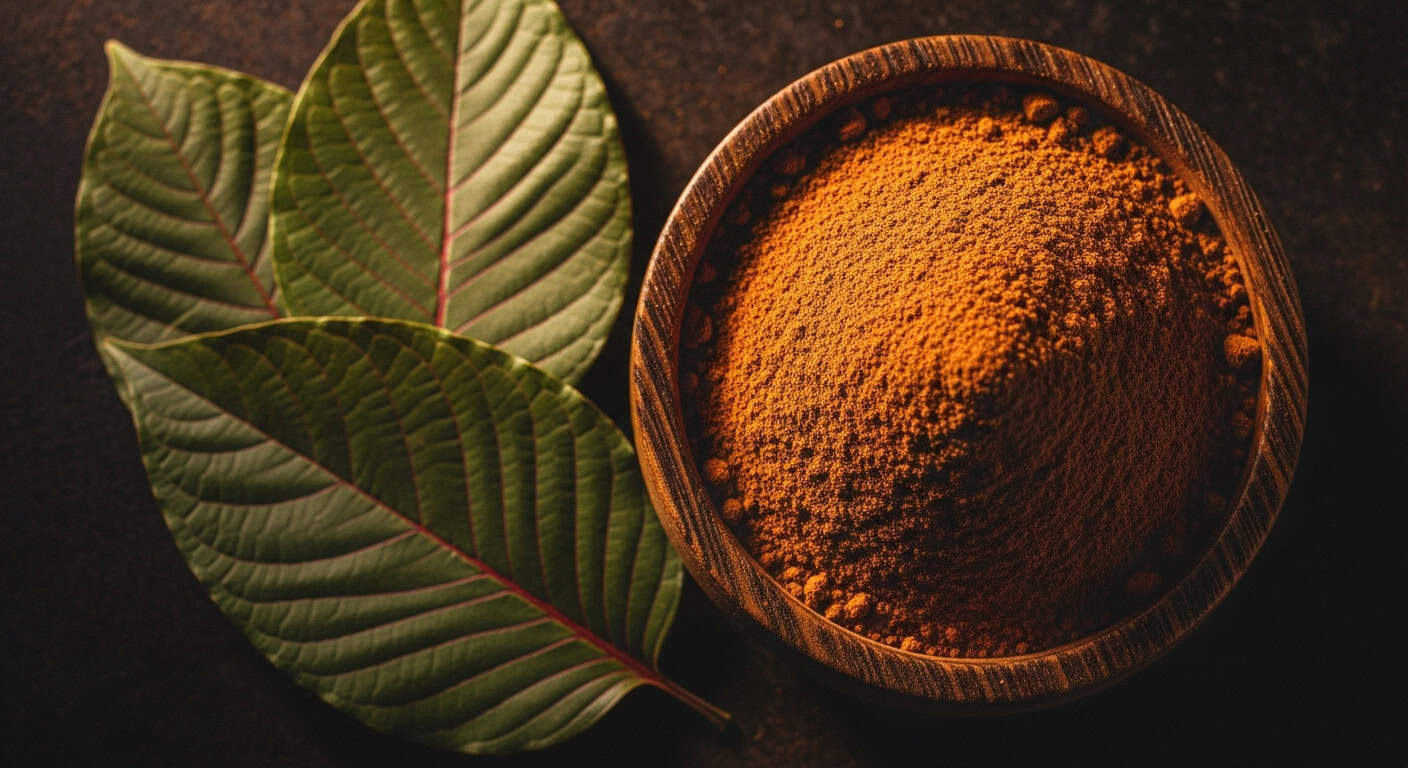
Red kratom is the variety made from fully mature Mitragyna speciosa leaves, dried in a way that develops its signature reddish veins and its calming, relaxing character. It is the most popular vein colour worldwide and is most often used in the evening to unwind. This guide covers how red kratom is harvested and processed, the main red strains, and what sets it apart from green and white.
Red kratom is famous for its deeply soothing and relaxing profile. It offers a wonderful way to unwind at the end of a long day. Many kratom users consider it the perfect evening companion.
In this comprehensive guide, we will explore exactly what makes this red strain so special. We will dive into the unique harvesting methods and the fascinating drying process. You will learn everything you need to know about this remarkable plant.
The Origins of Red Kratom
Red kratom comes from the same Mitragyna speciosa tree as all kratom, but from leaves left to mature longest before harvest. The Mitragyna speciosa tree thrives in the hot, humid climates of Southeast Asia. Countries like Indonesia, Malaysia, and Thailand provide the perfect environment for these trees to flourish.
The rich, volcanic soil and frequent monsoon rains create an ideal growing condition. These trees can grow quite tall in the wild, reaching heights of up to eighty feet. The leaves of the tree contain natural plant compounds called alkaloids.
The most abundant alkaloid in the leaf is Mitragynine. The specific concentration of Mitragynine and other natural compounds determines the final profile of the leaf. Environmental factors play a massive role in shaping these alkaloid levels.
Local farmers have cultivated and harvested these leaves for generations. They possess a deep understanding of the plant and its life cycle. They know exactly when a leaf reaches peak maturity and is ready for harvest.
Why the Vein Color Matters
Vein colour matters because it tracks the leaf’s maturity, which sets the alkaloid balance and the effect of the finished powder. These veins act as the transportation system for the leaf. They carry water and vital nutrients from the stem to the edges.
The color of these veins actually changes as the leaf matures on the tree. A young leaf typically displays white or pale green veins. As the leaf spends more time in the sun, the veins transition to a darker green.
Eventually, when the leaf reaches its maximum maturity, the veins take on a distinct reddish hue. This color transformation is nature’s way of signaling that the leaf is fully mature. The alkaloid profile shifts and develops alongside these color changes.
This is the fundamental basis of vein kratom. The different colors represent different stages of the leaf’s life cycle. Harvesting the leaf at the red stage provides a completely different botanical profile than harvesting it earlier.
How Red Vein Kratom is Made
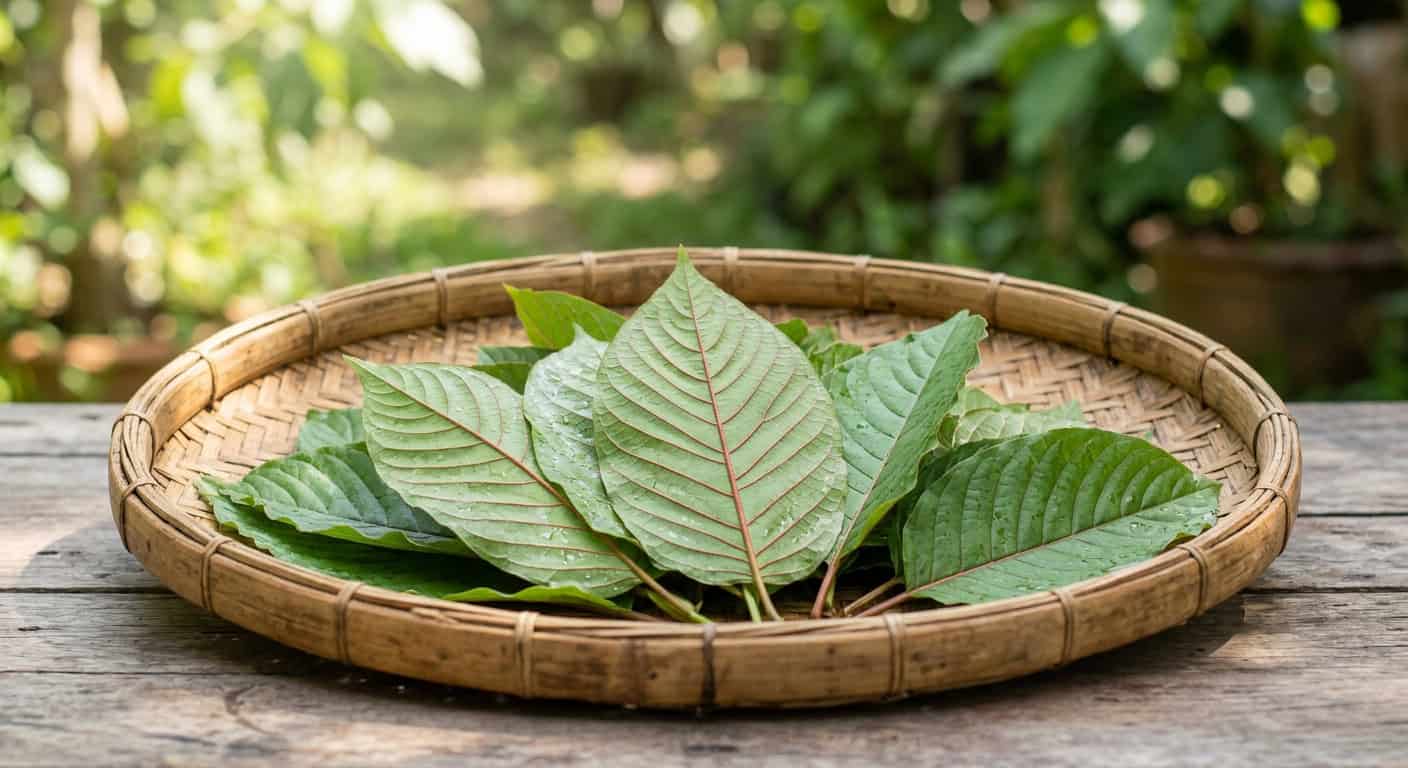
Red vein kratom is made from fully mature leaves that are fermented and often sun-dried, which deepens both their colour and their relaxing character. The real magic of red vein kratom happens during the post-harvest processing. Local farmers use specific drying techniques to lock in the deep, relaxing properties of the leaf.
Once the mature leaves are carefully plucked from the tree, they undergo a specialized fermentation process. The fresh leaves are placed into large, airtight bags. They sit in these bags for several days in the warm, tropical climate.
This fermentation process alters the chemical structure of the plant matter. It transforms some of the standard alkaloids into slightly different variations. This step is crucial for developing the classic effects of kratom that red strain enthusiasts look for.
After the fermentation is complete, the leaves are spread out to dry. Unlike other varieties, red kratom is often dried directly under the intense tropical sun. The heavy ultraviolet light exposure further cures the leaves and darkens their color.
Finally, the dried leaves are ground into a very fine powder. This powder is the foundation for all the different kratom products you see on the market today. The combination of mature harvesting, fermentation, and sun drying creates the ultimate red kratom experience.
Red Kratom vs. Different Kratom Strains
Compared with white and green strains, red kratom is the most relaxing, made from the most mature leaves and best suited to evening use. The world of different kratom strains is generally divided into three primary colors. These are red, white, and green.
White vein kratom is made from young leaves that are dried entirely indoors. They are kept away from any direct sunlight. This process creates a bright, energetic profile that many people use to start their morning.
White kratom is perfect for early hours when you need motivation and focus. It provides a clean, uplifting experience. It sits on the absolute opposite end of the spectrum from the red varieties.
Green kratom falls right in the middle of the spectrum. It is made from leaves harvested at the midpoint of their life cycle. Green vein kratom undergoes a brief period of indoor drying followed by a very short stint in the sun.
This processing gives green kratom a beautifully balanced profile. It offers a mix of gentle energy and mild relaxation. It is a fantastic option for daytime use or social situations.
Red kratom, as we have learned, sits at the fully mature, deeply fermented end of the spectrum. While white is for the morning and green is for the afternoon, red is definitely for the evening. It provides the most soothing and calming experience of all the vein colors.
Popular Red Kratom Products and Strains
Popular red kratom strains include Red Maeng Da, Red Bali, Red Borneo, and Red Thai, each named for its genetics or growing region. These names usually combine the vein color with a specific geographic region or a special processing style. Each specific red strain offers its own unique twist on the classic relaxing profile.
Red Maeng Da
Red maeng da is widely considered the crown jewel of the kratom world. The phrase maeng da translates roughly to pimp grade in Thai. This name was given to signify the absolute highest quality leaves available on the plantation.
Maeng da kratom is created through a specialized grafting process. Farmers combine different kratom trees to breed a stronger, more resilient plant. This results in leaves that have a remarkably robust alkaloid content.
Red maeng da provides a very potent experience. It offers deep relaxation while still maintaining a pleasant sense of clarity. It is a fantastic choice for experienced kratom users looking for maximum impact.
Red Bali
Red Bali is the classic, quintessential red vein kratom. It is perhaps the most famous and widely recognized strain in the world. It gets its name from the beautiful Indonesian island of Bali, which originally served as a major shipping port for these leaves.
This strain is known for its large, dark leaves that grow rapidly in the tropical climate. The fast growth cycle makes Red Bali very sustainable and widely available. It is famous for delivering incredibly soothing, heavy relaxation.
If you are looking to completely unwind and clear your mind, Red Bali is the perfect choice. It is highly recommended for beginners who want to experience the true benefits of kratom in its most comforting form.
Red Borneo
Red Borneo comes from the massive, wild island of Borneo. This island is home to some of the oldest and most ancient rainforests on the planet. The kratom trees here grow along the muddy riverbanks in incredibly nutrient-dense soil.
This unique environment gives Red Borneo a very distinct profile. It is incredibly smooth and long-lasting. It provides a gentle, rolling wave of relaxation that slowly washes over you.
Red Borneo is perfect for quiet evenings at home. It is a great companion for reading a book, watching a movie, or simply resting on the couch. It has a very loyal following among daily kratom users.
Red Thai
Red Thai originates from the genetics of trees found in Thailand. Even though most Red Thai is currently grown in Indonesia, it maintains the unique characteristics of its Thai ancestors. It has a slightly different alkaloid balance than the island strains.
Red Thai is unique because it offers the classic red relaxation but with a slight mood-lifting twist. It is not quite as heavy or sedating as Red Bali. It allows you to feel deeply relaxed while still remaining engaged in conversation or light activities.
Common Ways to Use Kratom
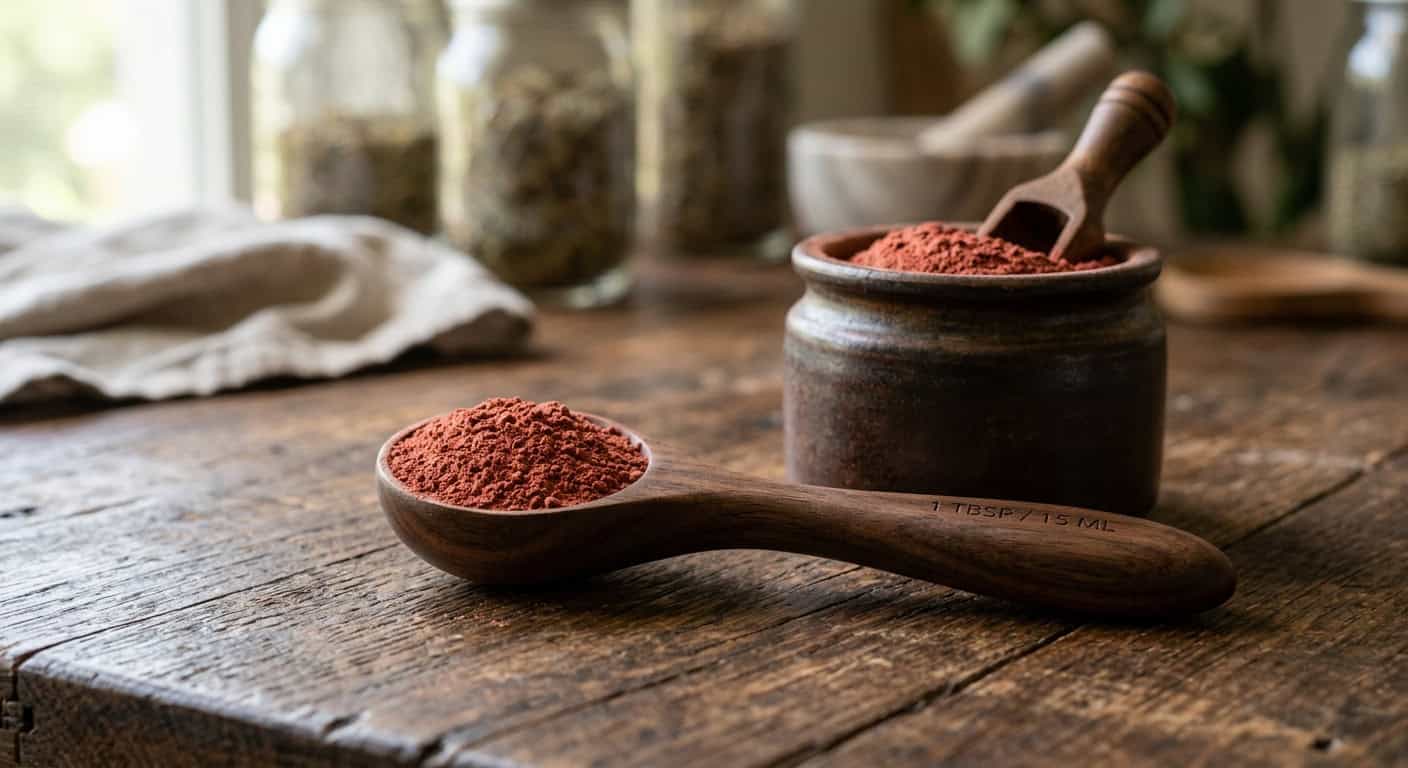
Kratom is most commonly taken as loose powder, capsules, or brewed tea, each with its own trade-offs in convenience and onset. The use of kratom has evolved significantly over the years. Modern kratom users have several convenient options to choose from.
Kratom Powder
The most traditional and common format is plain kratom powder. This is simply the dried, ground leaves with nothing else added. Powder offers the most versatility and allows you to customize your exact serving size.
Many people use the toss and wash method with plain powder. This involves placing a small spoonful of powder in your mouth and quickly washing it down with a glass of water or juice. It is fast and efficient, though the earthy taste can take some getting used to.
You can also mix the powder directly into beverages. Orange juice, chocolate milk, and smoothies do a great job of masking the natural bitterness of the plant. Stirring it thoroughly ensures a smooth, easy-to-drink beverage.
Brewing Kratom Tea
Brewing tea is a wonderful, traditional way to use kratom. You simply simmer the powder in hot water for fifteen to twenty minutes. You can strain the plant matter out using a coffee filter or a fine mesh sieve.
Adding a splash of lemon juice to the water while simmering helps extract the alkaloids from the powder. You can sweeten the final tea with honey, agave, or sugar. Sipping a warm cup of red kratom tea is an incredibly relaxing evening ritual.
Kratom Capsules
If you want to avoid the taste entirely, kratom capsules are the perfect solution. These are simply standard gelatin or plant-based capsules filled with pre-measured kratom powder. They are incredibly convenient for travel or busy lifestyles.
Kratom capsules take all the guesswork out of measuring. You know exactly how much plant matter is in each capsule. They do take slightly longer to break down in your stomach, so the effects may come on more gradually.
Understanding the Effects of Kratom
Red vein kratom produces a deep, full-body relaxation and a calm, settled mood, which is why it is favoured for evenings. The primary sensation is a deep, full-body relaxation. It helps melt away the physical tension that builds up during a long, busy day.
Along with physical relaxation, red kratom provides a wonderful sense of mental calm. It helps quiet a racing mind and promotes a peaceful, tranquil state. It is excellent for transitioning from a hectic work environment to a restful evening at home.
Many people also experience a gentle, warming sensation and an overall uplift in mood. It simply makes you feel comfortable and content. The benefits of kratom are best experienced when you are in a comfortable environment where you can fully surrender to the relaxing profile.
Serving Sizes and Kratom Use
A typical red kratom serving is one to two grams for beginners and three to five grams for experienced users, taken with water. The golden rule of kratom use is to always start small. You can always add more later, but you cannot take it back once you consume it.
For a beginner, a starting serving of one to two grams of powder is ideal. This allows you to see how your body responds to the specific red strain. Wait at least forty-five minutes to an hour to evaluate the effects.
If you feel you need more, you can slowly increase the amount by half a gram the next time you use kratom. Most experienced kratom users find their sweet spot somewhere between three and five grams. Taking too much kratom can lead to sluggishness, so finding your personal balance is important.
It is also highly recommended to use kratom on an empty or light stomach. Having a heavy meal in your stomach will significantly slow down the absorption process. Drink plenty of water throughout your experience, as kratom is a dry botanical powder that requires proper hydration.
How to Store Red Kratom Products
Red kratom keeps best in an airtight container in a cool, dark place, away from heat, light, and moisture. Kratom powder can degrade if it is exposed to the wrong environmental elements. You want to protect it from heat, light, moisture, and air.
Always keep your kratom in an airtight container. Mason jars with rubber seals or thick, resealable mylar bags work perfectly. Squeeze as much air out of the bag as possible before sealing it shut.
Store your container in a cool, dark place. A kitchen cabinet or a pantry shelf away from the stove is ideal. Never leave your kratom sitting out in direct sunlight, as the UV rays will break down the natural alkaloids over time.
If you follow these simple storage rules, your kratom powder and kratom capsules will stay fresh for many months. You will be able to enjoy the full benefits of kratom every single time you open the bag.
The Growing Community of Kratom Users
The kratom community is a growing network of users who share strain recommendations and usage tips online and in person. People from all walks of life are discovering the benefits of incorporating red vein kratom into their wellness routines. It has become a staple for those seeking natural ways to relax and unwind.
Online forums and local meetups are filled with people sharing their experiences and favorite strains. The kratom community is known for being incredibly welcoming and helpful to newcomers. If you ever have questions about a specific red strain, there are thousands of experienced individuals ready to share their insights.
As you explore the use of kratom, remember to listen to your own body. Everyone has a unique internal chemistry, and what works best for one person might be different for another. Enjoy the journey of discovering your favorite red kratom products.
How Red Kratom Engages Opioid Receptors
The reason red kratom strains tend to feel calmer than white or green varieties comes down to opioid receptors and how mitragynine binds at them. Higher doses of red strains drive more activity at the mu-opioid receptor, which produces the heavier, more sedating sensation that people describe as the signature red character. Lower doses of the same red strains still feel red, but the calming quality is gentler and leaves more room for normal activity.
The sedative effects of red varieties become more pronounced as the dose climbs. For most kratom users, a 3 to 4 gram serving of a quality red strain like Red Bali or Red Borneo is enough for a relaxed evening. Higher doses cross into territory that some users describe as too heavy to do much except rest, and people who use kratom regularly tend to find their sweet spot in the moderate range rather than chasing peak sedation.
Red Kratom, Opioid Withdrawal, and Long-Term Use
Red kratom strains have appeared frequently in the kratom and opioid withdrawal conversation because the receptor pharmacology overlaps. People who have struggled with opioid use have shared accounts of using red strains to manage discomfort during withdrawal. The reports are widespread enough that several survey studies have documented them, although they do not yet support formal clinical guidance.
That same receptor activity means red kratom strain users should pay attention to dose and frequency over time. Daily heavy use of any kratom can produce mild withdrawal symptoms when stopped abruptly, and red strains are no exception. Rotating between red, green, and the occasional white serving, or taking weekends off, keeps the experience sustainable. Strains of kratom feel best when the body has room to reset between uses, which is what most experienced red kratom users build into their week without thinking about it.
Red Kratom Leaves and Sedative Effects at Higher Doses
Red kratom leaves harvested at full maturity carry the alkaloid balance that produces the strongest sedative effects in the kratom plant. The mu-opioid receptor activity that produces gentle relaxation at moderate doses shifts toward deeper sedation at higher doses, which is why red strains dominate the conversation about evening use and sleep support. The kratom leaves themselves are processed differently for red, with longer drying times and sometimes sun exposure that develops the reddish character of the finished powder.
Kratom may produce noticeably stronger sedation from a red strain at 5 grams compared to the same dose of a white or green, simply because the red alkaloid profile leans more heavily on the relaxing compounds. For users seeking strong relaxation, this dose-response curve is a feature. For users who want lighter daytime effects, the same property is why red strains generally do not fit a working morning routine.
Red Kratom and Opioid Withdrawal Reports
Red kratom strains appear most frequently in user reports about kratom and opioid withdrawal management. The receptor profile of mature red leaves overlaps more directly with pharmaceutical opioid receptor activity than the lighter profile of white strains, which is why people working through withdrawal symptoms describe red strains as the most useful kratom category for that purpose. The reports are widely documented in survey research, although they do not yet constitute clinical guidance.
Higher doses of red kratom, taken regularly over extended periods, can produce mild withdrawal symptoms of their own when stopped abruptly. This is a real but generally mild effect that resolves within days for most users. Conservative use practices, including rotation between strains, regular days off, and avoiding high-dose daily routines, prevent the kratom dependence patterns that occasionally appear in the literature. The leaf itself is not the problem; how it is used over time is what shapes the long-term experience.
Red kratom and the FDA conversation
The FDA and kratom relationship has been complicated, with the agency issuing periodic advisories about kratom products and weighing federal scheduling at various points. Red kratom strains have been part of that conversation because the opioid receptor activity is strongest in the red category, and the agency’s concerns center on receptor-system overlap with pharmaceutical opioids. None of this makes the Mitragyna speciosa leaf native to Southeast Asia illegal at the federal level today, but it does shape the regulatory backdrop. For buyers, the practical takeaway is that kratom extracts in any color, including red, deserve more scrutiny than plain leaf, since the concentration step amplifies the same receptor activity that drives regulatory interest.
Red Kratom questions
What Is Red Kratom Used For?
Red kratom is primarily used for deep relaxation and unwinding at the end of the day. It is highly valued for its soothing properties and its ability to promote a calm, peaceful state of mind. Many people use it as an evening botanical to transition from a busy workday to a restful night at home.
How Does Red Kratom Make You Feel?
Consuming red kratom typically makes you feel physically relaxed and mentally tranquil. It provides a comforting, warming sensation that eases bodily tension. It also offers a gentle mood boost that leaves you feeling content, peaceful, and deeply comfortable in your surroundings.
Which Color Kratom Is Strongest?
Strength depends on what specific effects you are looking for. White kratom is generally considered the strongest for energy and focus. Red kratom is considered the strongest for heavy relaxation and soothing physical comfort. Green kratom offers a strong, balanced middle ground between the two extremes.
What Is Red Vein Kratom Known For?
Red vein kratom is most famous for its mature alkaloid profile, which is developed through specialized fermentation and sun-drying techniques. It is known throughout the botanical community as the ultimate strain for evening use. It is celebrated for delivering the most relaxing and calming experience of all the kratom varieties.
Does Red Kratom Help You Sleep?
While kratom is not a sleep aid, the deep relaxation provided by red strains creates an ideal environment for rest. By calming a racing mind and easing physical tension, red kratom helps you reach a state of tranquility. This profound sense of peace makes it much easier to drift off naturally when bedtime arrives.
How Do I Choose Between Red Bali And Red Maeng Da?
If you are looking for the heaviest, most comforting relaxation possible, Red Bali is the classic choice. It is perfect for quiet nights on the couch. If you want strong relaxation but still want to maintain a clear, engaged headspace for reading or hobbies, Red Maeng Da is the better option.

Kratom Ontario 2026: What Ontario Is Searching For
Kratom trends in Ontario for 2026: the strains people search for, why buyers go online, and the legal facts, from a lab-tested Canadian vendor.

What is Kratom Used For?
Kratom is a tropical evergreen tree native to Southeast Asia, belonging to the coffee family. Its leaves have been used for centuries in traditional practices throughout Indonesia, Thailand, and Malaysia. Discover the various uses and benefits of this plant.