
Blog

Kratom is used most often for energy and focus at lower doses, for relaxation and physical comfort at higher doses, and as a traditional remedy that Southeast Asian workers brewed into tea for generations. The leaves come from Mitragyna speciosa, a tropical tree in the coffee family native to Thailand, Indonesia, Malaysia, and Papua New Guinea. Its active alkaloids, chiefly mitragynine, interact with the body differently depending on the amount consumed, which is why a single plant covers so many uses.
Today, Kratom has gained significant attention in Western countries as an alternative botanical. Many people are curious about what Kratom is used for, how it works, and what makes it different from other substances. This article will walk you through everything you need to know about Kratom use, its traditional background, and how people incorporate it into their daily routines.
What Exactly Is Kratom?
Kratom is a tree that grows naturally in the rainforests of Southeast Asia. The leaves are the most valuable part of the plant, and they have been harvested for generations by local communities. When you look at Kratom leaves, you’ll notice they are typically dark green and can grow quite large on the tree. The leaves are often dried and processed into different forms for various uses.
The scientific name Mitragyna speciosa reflects the plant’s botanical classification. It shares family ties with the coffee plant, which might explain some of its stimulating properties at lower doses. Traditional users have chewed the fresh leaves, brewed them into teas, or dried and ground them into powders. These methods have been passed down through generations of Southeast Asian communities who discovered the plant’s unique characteristics long before modern science began studying it.
Modern Kratom products come in several forms today. You can find Kratom powder, capsules, extracts, and even concentrated forms in specialty shops and online retailers. Each form has its own characteristics regarding potency and how quickly the effects may be felt. The variety of products available means people can choose the format that best suits their preferences and lifestyle.

The Traditional Uses of Kratom
Traditional kratom use centred on Southeast Asian labourers chewing or brewing the leaves to sustain energy through long workdays. In traditional Southeast Asian cultures, Kratom leaves served multiple purposes in daily life. Workers in agricultural regions would often chew the leaves or brew them into tea to help maintain energy and focus during long hours of physical labor. Farmers, fishermen, and laborers found that Kratom helped them stay productive throughout demanding workdays.
The cultural significance of Kratom extends beyond just physical support. In many communities, Kratom played a role in social gatherings and religious ceremonies. It was often shared among friends and family members during community events. The plant was considered a thoughtful gift and was incorporated into hospitality traditions throughout the region.
Traditional medicine practitioners in Southeast Asia also utilized Kratom in various ways. Healers would prepare Kratom-based remedies for different situations. The versatility of the plant meant it could serve multiple purposes depending on how it was prepared and consumed. These traditional practices laid the foundation for how Kratom is understood and used today.
Understanding Kratom Use Today
Modern kratom use spans energy and focus, relaxation, and general wellness, taken as powder, capsules, or tea. People who use Kratom today come from diverse backgrounds and have different reasons for incorporating it into their routines. Some individuals appreciate the plant for its potential to support productivity and mental clarity during busy periods. Others find it useful for relaxation after a long day.
The active compounds in Kratom, particularly mitragynine and 7-hydroxymitragynine, interact with receptors in the body in ways that have drawn considerable interest from researchers. These alkaloids are what give Kratom its characteristic properties. The concentration of these compounds can vary depending on the strain of Kratom, the growing conditions, and how the leaves are processed.
People who use Kratom report different experiences based on several factors. The amount consumed plays a significant role in determining the effects. Lower amounts tend to produce more stimulating results, while higher amounts may lead to more sedating outcomes. Individual physiology, tolerance levels, and the specific product being used all contribute to the overall experience.
Different Strains and Varieties
Kratom strains are typically named based on the color of the leaf veins and their origin. The three main categories are red vein, green vein, and white vein Kratom. Each variety has its own profile of effects, and experienced users often keep multiple strains on hand to address different needs at various times.
Red vein Kratom is often associated with more calming and soothing experiences. Users sometimes turn to red vein varieties during periods when they want to wind down and relax. The deeper color of these leaves suggests a different chemical composition compared to other varieties.
Green vein Kratom occupies a middle ground between the stimulating white varieties and the more sedating red varieties. Many people find green vein Kratom to be versatile and suitable for daytime use without feeling overly stimulating. It often serves as a good option for those new to Kratom who want to explore the spectrum of effects.
White vein Kratom tends to be favored by those seeking more energizing effects. Students, professionals, and others who need mental alertness sometimes gravitate toward white vein varieties. The potential for increased focus and alertness makes this strain popular during demanding work or study sessions.
How People Incorporate Kratom Into Daily Life
People incorporate kratom into daily life through capsules for convenience, powder for flexible dosing, and tea for a slower ritual. Some prefer the convenience of capsules, which offer pre-measured servings that are easy to take on the go. Capsules eliminate the need to measure powder and can be swallowed quickly with water or another beverage.
Kratom powder remains one of the most popular forms among experienced users. The powder can be mixed into drinks, added to food, or taken directly. Some enthusiasts get creative with recipes, incorporating Kratom powder into smoothies, oatmeal, or baked goods. The flexibility of powder form allows for precise control over serving sizes.
Kratom extract is another option that offers concentrated effects. Extracts are made by boiling Kratom leaves to pull out the active compounds, then condensing the liquid into a more potent form. A small amount of extract can deliver effects similar to larger amounts of powder, though dosing requires extra care and attention.
The Social Aspect of Kratom
The social side of kratom lives in online forums and local groups where users share strains, dosing, and vendor recommendations. People who use Kratom often share their experiences, recommendations, and tips with others. Online forums, social media groups, and local meetups provide spaces for education and connection. Newcomers can learn from experienced users about different strains, effective serving sizes, and best practices.
Many Kratom enthusiasts appreciate the camaraderie that comes with being part of a community. Sharing information about quality products, reliable vendors, and effective usage methods helps everyone make more informed choices. The collective knowledge base grows as more people contribute their experiences and insights.
Respect for the plant and its origins is a common theme in Kratom communities. Many users feel a connection to the traditional practices of Southeast Asian cultures where Kratom originated. This appreciation often leads to advocacy for sustainable harvesting practices and fair treatment of the farmers who cultivate the crop.
Exploring Different Methods of Consumption
Kratom is consumed by toss-and-wash, by mixing powder into drinks, by brewing tea, or by swallowing capsules. Some methods work better for certain lifestyles and preferences. Experimenting with different approaches helps individuals discover what suits them best.
Tossing and washing is a straightforward method where users place the powder in their mouth and wash it down with liquid. This technique gets the Kratom into the system relatively quickly since it bypasses the need for food to digest it first. However, the bitter taste can be challenging for some people.
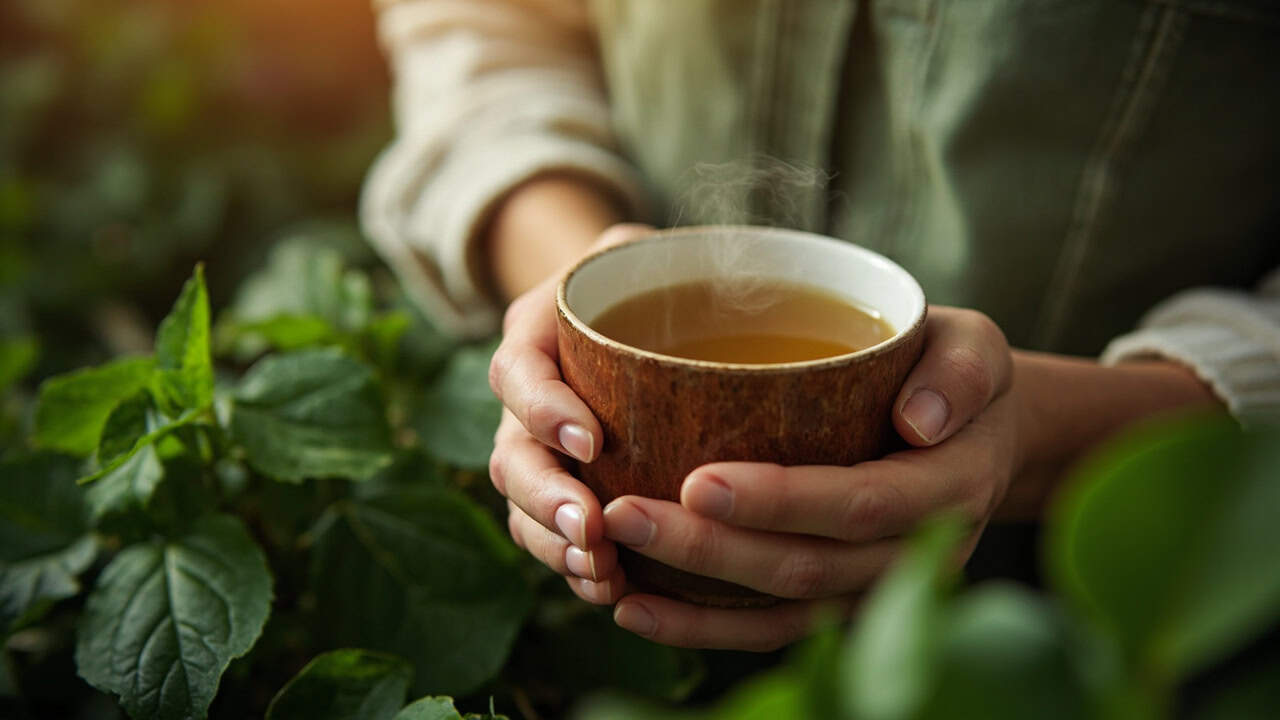
Brewing Kratom tea is a popular method that can mask the natural bitterness of the leaves. The tea can be enjoyed hot or cold and customized with sweeteners, citrus, or other flavor enhancers. Some users find that brewing the leaves for an extended period extracts more of the beneficial compounds.
Mixing Kratom powder into beverages is another common approach. Smoothies, juice, and sports drinks can help the powder go down more easily. The liquid helps move the Kratom through the digestive system, and adding something acidic like orange juice may enhance absorption of the active compounds.
Understanding Kratom’s Active Compounds
The effects of Kratom are primarily attributed to two key alkaloids: mitragynine and 7-hydroxymitragynine. These compounds interact with opioid receptors in the body, though Kratom itself is not classified as an opioid. The interaction produces different effects depending on the amount consumed and individual factors.
Mitragynine is the most abundant alkaloid found in Kratom leaves. It is largely responsible for the unique effects that people experience when using the plant. Research into mitragynine has expanded in recent years, with scientists seeking to understand its mechanisms of action more fully.
7-Hydroxymitragynine is present in smaller quantities but is considered to be significantly more potent than mitragynine. This compound contributes to the more pronounced effects that users sometimes report with certain products. The interplay between these two alkaloids and other compounds in Kratom creates the complex profile that characterizes the plant’s effects.
Kratom and Lifestyle Integration
Kratom integrates into a wellness lifestyle alongside exercise, nutrition, and sleep rather than as a standalone fix. It may be incorporated alongside other healthy habits like exercise, proper nutrition, and adequate sleep. The goal is often to support overall balance and productivity rather than to address any specific medical concern.
People who use Kratom often develop personal routines around its consumption. Some take it in the morning to start their day with clarity and energy. Others prefer afternoon servings to help maintain focus during the post-lunch slump. Evening use is common among those who appreciate more relaxing varieties.
The flexibility of Kratom allows it to fit into various lifestyle patterns. Whether someone follows a strict schedule or prefers a more flexible approach, there are ways to incorporate Kratom that work with individual needs. Listening to one’s body and adjusting usage based on personal response is key to finding the right routine.
The Growing Interest in Kratom Research
Scientific interest in Kratom has increased substantially over the past decade. Researchers are studying the plant’s chemical composition, mechanisms of action, and potential applications. The growing body of research reflects the need to understand Kratom better as its popularity continues to rise.
Studies have examined the pharmacology of Kratom’s alkaloids and their interactions with various systems in the body. While much remains to be learned, researchers have made important discoveries about how mitragynine and 7-hydroxymitragynine function. This knowledge helps inform both scientific understanding and practical use.
The scientific community continues to call for more comprehensive studies on Kratom. Longitudinal research on regular users, clinical trials examining specific effects, and pharmacological studies all represent important areas for future investigation. As research progresses, our understanding of Kratom will likely continue to evolve.
Quality and Sourcing Considerations
The quality of Kratom products can vary significantly between vendors and sources. People who use Kratom often pay close attention to where their products come from and how they are processed. Understanding sourcing practices helps consumers make informed decisions about what they put into their bodies.
Premium Kratom typically comes from mature trees grown in optimal conditions. The harvesting and drying processes play crucial roles in preserving the active compounds. Experienced vendors often work directly with farmers in Southeast Asia to ensure quality control from cultivation through final packaging.
Lab testing has become an important factor in the Kratom industry. Reputable vendors often provide certificates of analysis that verify the contents and purity of their products. These tests can confirm the presence of key alkaloids and screen for potential contaminants. Consumers are increasingly seeking out vendors who prioritize transparency and quality assurance.
The Cultural Journey of Kratom
The story of Kratom is ultimately a story of cultural exchange. What began as a traditional botanical in Southeast Asian villages has traveled around the world to become a subject of global interest. This journey reflects the interconnected nature of modern society and the ongoing exchange of knowledge across borders.
Traditional practices continue in the regions where Kratom originated. Communities in Thailand, Malaysia, and Indonesia maintain cultural connections to the plant that have existed for generations. These traditions offer valuable context for understanding the plant’s history and significance.
Meanwhile, Kratom communities in Western countries have developed their own cultures around the plant. New traditions, terminology, and practices have emerged that blend traditional knowledge with modern sensibilities. This cultural evolution demonstrates how plants like Kratom can take on new meanings as they move between different contexts.
Finding Your Optimal Approach
Finding your optimal kratom approach means starting with small amounts, tracking responses, and adjusting strain and dose over time. Starting with smaller amounts and gradually adjusting based on personal response is generally recommended for those new to the plant. Keeping a simple journal to track products, amounts, and effects can help identify patterns over time.
The concept of “kratom safe” practices varies among users, but common principles include using quality products from trusted sources, respecting one’s own limits, and taking breaks when needed. These practices help ensure positive experiences with the plant.
Listening to your body remains essential. If something does not feel right, adjusting the approach is always an option. What works wonderfully for one person may not be ideal for another, which is why personal experimentation within reasonable bounds can lead to discovering individual preferences.
Building Knowledge About Kratom
Building kratom knowledge comes from reputable sources, community insight, and understanding strains, doses, and quality signals. The more people understand about the plant, its effects, and its history, the better positioned they are to make informed choices. Resources from reputable sources, experienced users, and community discussions all contribute to building knowledge.
Understanding the difference between strains, products, and serving sizes helps users navigate the wide array of options available. Some people prefer to specialize in one or two strains, while others enjoy exploring the full spectrum of varieties. Either approach can be valid depending on individual goals and preferences.
Keeping up with emerging research and community insights helps maintain a well-rounded understanding of Kratom. The landscape of knowledge around this plant continues to develop, and staying engaged with new information supports continued responsible use.
Connecting With the Kratom Community
The kratom community connects users through forums and groups where experienced members mentor newcomers. Sharing stories, asking questions, and offering guidance creates an environment where everyone can learn and grow. Whether online or in person, these connections enrich the overall experience of using Kratom.
Experienced users often mentor newcomers, helping them avoid common pitfalls and discover effective strategies. This knowledge transfer happens naturally within active communities and contributes to positive outcomes for those just starting their Kratom journey.
Community spaces also serve as platforms for discussing quality products, vendor reliability, and emerging trends. Collective wisdom helps individuals make better decisions than they might make in isolation. The shared commitment to responsible use strengthens the community as a whole.
Practical Tips for Everyday Use
Everyday kratom use works best with consistent timing, measured doses, hydration, and occasional breaks. Establishing consistent times for use helps build familiarity with how the plant affects you personally. Many users find that taking Kratom at the same times each day provides predictable and reliable results.
Having the right supplies on hand makes consumption more convenient. Measuring tools, preferred beverages, and comfortable spaces all contribute to positive experiences. Some users keep dedicated supplies in multiple locations, such as home and work, to accommodate their routines.
Rotation between different strains can help prevent tolerance buildup and maintain sensitivity to the plant’s effects. Many experienced users cycle through red, green, and white varieties rather than sticking exclusively to one type. This practice keeps the experience fresh and may contribute to more sustainable long-term use.
The Future of Kratom
As interest in Kratom continues to grow, the future holds many possibilities. Advances in research may reveal new applications and insights about the plant. Changes in market availability and product innovation could expand options for consumers. Community growth may foster greater understanding and acceptance.
Advocacy efforts by dedicated supporters aim to protect access to Kratom and promote responsible use. These initiatives work to ensure that accurate information is available and that the plant remains accessible to those who choose to use it. The collective voice of the Kratom community plays an important role in shaping the future landscape.
Whatever direction the future takes, the core elements of Kratom use are likely to remain constant. These include the plant’s unique properties, the importance of quality and sourcing, and the value of community connection. These foundational aspects will continue to guide how people incorporate Kratom into their lives.
FDA Position and Modern Kratom Product Landscape
Anyone trying to make sense of what kratom is used for in the modern market has to engage with where the Food and Drug Administration sits on the question. The FDA has issued advisories about kratom products at various points, has not approved kratom for any therapeutic use, and has logged adverse event reports it associates with the plant. None of that has stopped the kratom product market from growing in the United States and Canada, where the leaf is generally sold as a botanical rather than as a supplement with health claims.
The opioid conversation is the other piece. Mitragynine binds to opioid receptors as a partial agonist, which puts kratom in adjacent territory to pharmaceutical opioids without making it identical to them. Some people who have struggled with opioid use describe using kratom as a self-managed bridge during withdrawal, and a growing body of survey research has begun to document those reports. The picture is genuinely complicated, which is one reason serious reviews of kratom emphasize moderate use, quality sourcing, and avoiding combinations with other depressants.
Choosing a Kratom Product That Fits Your Use Case
What kratom is used for changes with the format. Powders give the most flexibility, capsules give the most convenience, extracts give the most punch per gram, and traditional kratom tea offers a slower, more deliberate ritual. White vein strains skew toward energizing daytime use, red vein strains skew toward evening unwinding, and green vein strains sit in the middle. Maeng Da varieties tend to be selected for higher alkaloid content, which makes them a common starting point for users who want stronger effects without venturing into extracts.
The single most useful question to ask before buying is what time of day you plan to use the product and what you want it to support. That answer narrows the strain choice down quickly. Then a vendor with current lab reports and a real customer service line handles the quality side. Together those two decisions explain most of the difference between a satisfying kratom experience and a frustrating one.
The Use of Kratom for Opioid Withdrawal Discussion
One use of kratom that comes up repeatedly in survey research is supporting people through opioid withdrawal. The reports describe a self-managed pattern in which a person tapering off prescription opioids or street opioids uses moderate kratom doses to soften the withdrawal symptoms over several days. The receptor pharmacology supports the plausibility of this use because mitragynine binds the same mu-opioid receptor that the opioids in question target, but as a partial agonist with a milder withdrawal profile of its own.
None of this constitutes clinical guidance. The Food and Drug Administration has not endorsed kratom for opioid withdrawal, and the literature consists mainly of survey reports rather than randomized trials. The honest summary is that a meaningful number of people describe this use of kratom and report benefit, while clinical research is slowly catching up to characterize the practice formally. People considering kratom for this purpose should treat it as a serious decision and ideally talk to a clinician familiar with the harm-reduction frame.
Other Common Use Patterns
Most use of kratom is far less dramatic than the opioid withdrawal conversation suggests. Daily routines that include kratom usually look like a moderate morning dose of a white or green strain for energy and focus, a smaller midday dose if needed, and occasionally a red strain in the evening for wind-down. The leaf supports rather than replaces the underlying routine, which is one reason long-term users tend to settle into stable, modest dosing rather than escalating over time.
What kratom is used for varies more by individual than by region. Some users find the energy support most valuable. Others use kratom mainly for relaxation. A smaller group focuses on physical comfort, which overlaps with the pain relief conversation around mitragynine and the opioid receptor system. The breadth of use cases is part of what makes the plant difficult to categorize and also part of what keeps interest in it growing year over year.
Associated with kratom: substance use disorder discussion
Substance use disorder discussions associated with kratom typically focus on a small subset of heavy daily extract users rather than the broader population of moderate plain-leaf users. Opioid use disorder overlap exists at the receptor level because mitragynine binds the same mu-opioid receptor that opioids of concern target, and clinical reports describe people using kratom as a self-managed bridge during opioid withdrawal. The pattern is widely documented but does not yet support formal clinical guidance, which is why the Food and Drug Administration’s posture remains cautionary even as user reports continue to accumulate. For most users, what kratom is used for has nothing to do with this discussion, but the conversation is unavoidable in any honest article about the plant.
Kratom questions
What Is Kratom Used For?
People use Kratom for various purposes, including supporting energy and focus, promoting relaxation, and complementing their daily wellness routines. Traditional use involved manual laborers seeking to maintain productivity during long workdays. Modern users appreciate Kratom’s versatility and the range of experiences different strains can provide. The plant has become popular among those looking for alternative botanicals to incorporate into their lifestyles.
What Are the Main Ways to Use Kratom?
The most common methods include consuming Kratom powder directly, mixing it into beverages, brewing it as tea, or taking it in capsule form. Each method has its own advantages in terms of convenience, speed of onset, and taste considerations. Many users try multiple methods before settling on their preferred approach. Experimenting with different consumption methods helps individuals find what works best for their needs and preferences.
Does Kratom Come From Southeast Asia?
Yes, Kratom is native to Southeast Asia, specifically countries like Thailand, Indonesia, Malaysia, and Papua New Guinea. The tropical climate and rainforest conditions in these regions provide ideal growing environments for Mitragyna speciosa trees. Traditional harvesting and processing methods originated in these areas and have been passed down through generations. Today, quality Kratom is often sourced directly from these regions to maintain authenticity and potency.
How Do Different Kratom Strains Differ?
Kratom strains are primarily distinguished by the color of their leaf veins, which include red, green, and white varieties. Red vein Kratom tends to be associated with more relaxing experiences, while white vein varieties are often linked to stimulating effects. Green vein Kratom occupies a middle position, offering balanced properties that many users find versatile. Beyond vein color, the origin of the Kratom and the specific processing methods also influence the characteristics of each strain.
Can Kratom Tolerance Build Over Time?
Some regular users report that taking the same amount of Kratom over extended periods may lead to diminished effects, suggesting potential tolerance development. Many experienced users manage this by rotating between different strains and taking periodic breaks from use. Adjusting serving sizes and cycling through varieties are common strategies for maintaining sensitivity. Individual responses vary, so each person should pay attention to their own experience and adjust accordingly.
How Should Beginners Start Using Kratom?
New users are generally advised to begin with smaller amounts to assess their personal response before adjusting upward. Starting with a moderate serving of a green or white vein strain often provides a balanced introduction to Kratom’s effects. Keeping track of the product, amount, and experienced effects in a journal can help newcomers learn what works for them. Taking time between servings rather than consuming multiple doses quickly allows for a clearer understanding of how Kratom affects you personally.


What is Yellow Kratom?
Move beyond the standard red, green, and white strains. Learn what yellow kratom is, how it’s made, and why this unique botanical is gaining popularity.
What is Red Kratom?
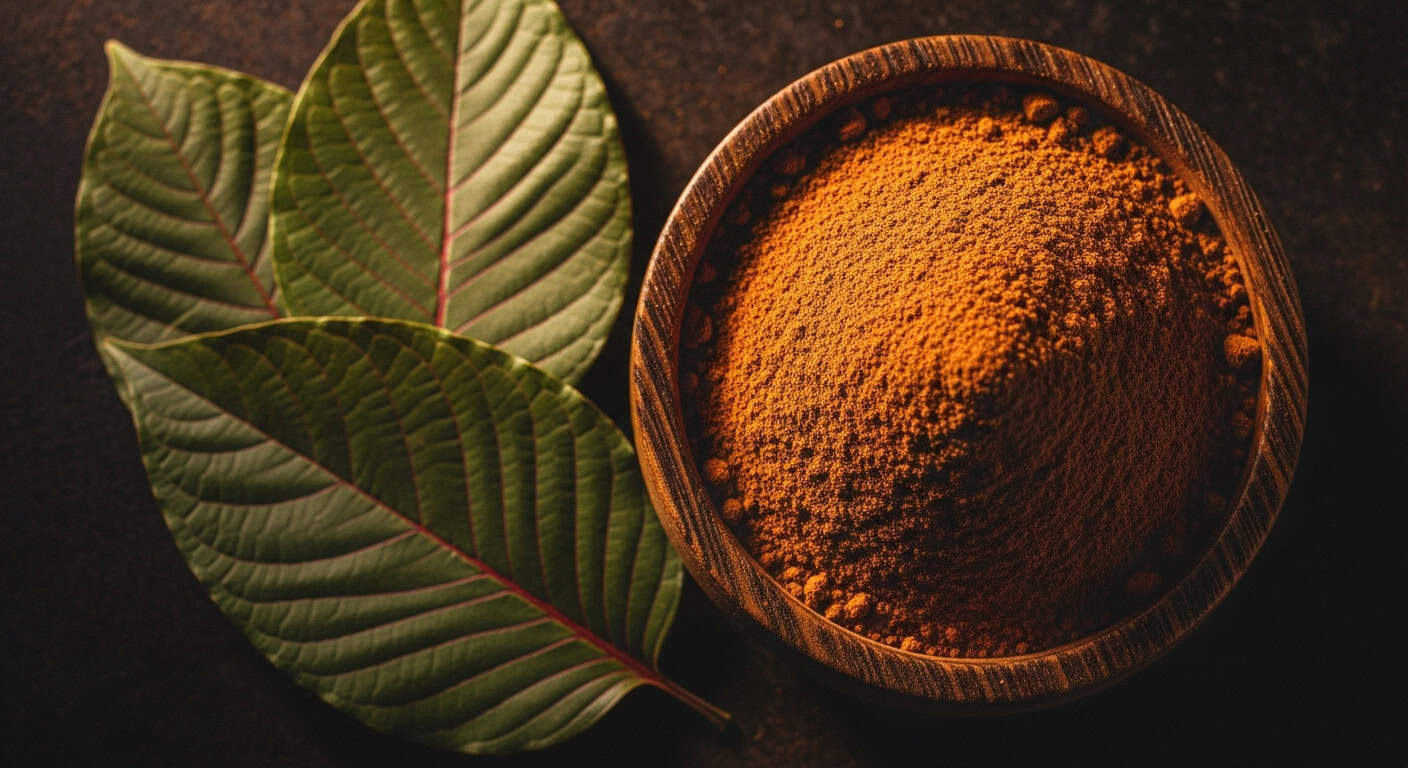
Red kratom is a popular variety of the Mitragyna speciosa tree known for its deeply soothing profile. It offers a wonderful way to unwind and relax at the end of a long day.