
Blog

Yellow kratom is a specialty variety made by fermenting and drying green or white vein leaves from the Mitragyna speciosa plant native to Southeast Asia, a process that gives the powder its distinctive golden colour. It does not occur naturally on the tree; the yellow tone is created after harvest. Users describe it as a smooth, balanced option that sits between the energy of white strains and the calm of reds.
However, as you dive deeper into the community, you might notice a unique and fascinating option that stands out from the rest. This intriguing option is yellow kratom, a specialized variety that has captured the attention of enthusiasts everywhere. It offers a completely different experience compared to the traditional choices you might be used to.
If you are curious about this specific type of kratom, you are in the right place. Understanding what makes this variety so special requires a look at how it is cultivated and processed. It is not just a simple leaf plucked from a tree, but rather the result of careful, traditional craftsmanship.
In this guide, we will explore everything you need to know about this golden-hued botanical. We will look at how farmers create it, the specific varieties available, and the unique characteristics that make it so popular. By the end, you will have a clear understanding of whether this option is the right fit for your personal routine.
What Exactly Is Yellow Kratom?
Yellow kratom is green or white vein leaf that has been fermented and dried until the powder turns golden, so understanding it starts with the Mitragyna speciosa tree. The Mitragyna speciosa tree grows abundantly in the lush, tropical climates of Southeast Asia. When you look at a fresh kratom leaf on one of these trees, you will notice the veins running through it.
In nature, these veins typically appear in three distinct colors. You will find red vein kratom, green vein, and white vein kratom growing naturally in the wild. The color yellow, however, does not naturally occur on the living plant.
Because it does not grow natively on the tree, yellow vein kratom is technically not a natural vein color. Instead, it is a specialized kratom strain created through a very specific post-harvest process. Skilled farmers use traditional techniques to transform standard leaves into this unique golden variety.
This means that every batch of this product is the result of human craftsmanship rather than natural biology. The farmers take the raw plant material and alter its physical properties through controlled environmental changes. This careful process changes the color of the leaf and creates a completely new type of kratom for enthusiasts to enjoy.
How Yellow Kratom Is Made
Yellow kratom is made by fermenting harvested green or white leaves in sealed containers, then sun-drying them until they take on a golden colour. It all comes down to a specialized drying and fermentation technique used by experienced farmers. This technique has been passed down through generations of cultivators in Southeast Asia.
When farmers harvest the leaves, they typically sort them by their natural vein color. To create a yellow kratom strain, they will often take a blend of white vein and green leaves, though some recipes use red leaves as well. Instead of drying these leaves immediately in the sun or in a dark room, they place them into specialized bags or containers.
Inside these containers, the leaves undergo a natural fermentation process. The trapped moisture and heat cause the plant material to slowly change its chemical composition. During this time, the primary alkaloid in the plant, mitragynine, begins to shift and mature.
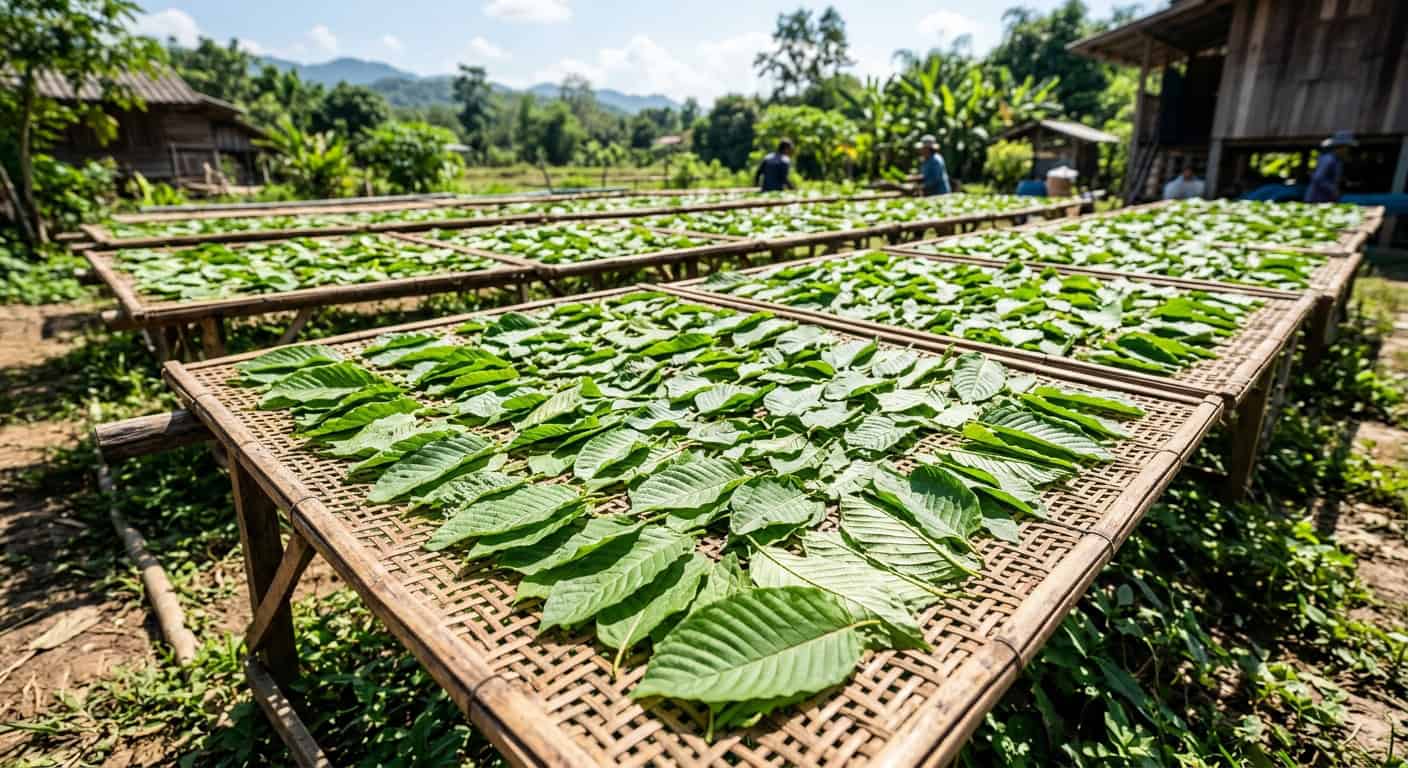
After the fermentation phase is complete, the farmers remove the leaves and lay them out to dry. They are typically exposed to direct sunlight for a specific period. This combination of indoor fermentation and outdoor sun drying is what ultimately turns the leaves a distinct golden-yellow color.
Once the drying is finished, the leaves are ground down into fine kratom powder. The resulting product is completely different from the raw material that was originally harvested. This intricate process is exactly why yellow kratom powders are so highly valued in the community.
Exploring The Colors Of Kratom
Kratom colours, red, green, white, yellow, and gold, signal a leaf’s maturity and processing, and each carries its own profile. The colors of kratom each offer their own distinct profile and characteristics. Knowing the differences can help you find the best kratom for your specific lifestyle.
Red vein kratom is generally known for its deeply relaxing and soothing properties. These leaves are typically harvested late in their maturity cycle and receive plenty of sunlight during drying. People often choose red varieties for their evening routines when they want to unwind.
On the opposite end of the spectrum is white vein kratom. The white vein leaves are harvested early in their life cycle and are dried indoors away from direct light. These varieties are famous for providing a crisp, clean boost of energy and are popular for morning use.
Green vein sits right in the middle of red and white. It offers a balanced profile that provides a gentle lift without being overly energetic. Many people consider green varieties to be the perfect daytime option.
Yellow varieties occupy a unique space in this lineup. Because they are created through fermentation, they often combine the best traits of the other colors. They typically offer the smooth, balanced nature of a green variety, but with an added layer of warmth and sustained motivation.
A Guide To Yellow Kratom Strains
Yellow kratom strains are named for their growing region, with Yellow Borneo, Yellow Thai, Yellow Vietnam, and Yellow Maeng Da the most common. In the botanical world, a strain (biology) often refers to the specific geographic region where the plant was grown. Different regions have different soil compositions and climates, which directly impacts the final product.
When you browse through various kratom products, you will see several popular names. Each of these yellow kratom strains offers a slightly different experience based on its origin and the specific blending techniques used by the farmers.
Here are some of the most popular options you will encounter:
- Yellow Borneo Kratom: This variety originates from the massive island of Borneo. It is widely regarded as one of the most balanced and smooth options available. It is perfect for those seeking a gentle sense of well-being and steady focus throughout the day.
- Yellow Vietnam Kratom: Cultivated in the rich, agricultural regions of Vietnam, this variety is known for its crisp and uplifting profile. Many enthusiasts praise it for providing a clear-headed sense of motivation that is ideal for tackling complex tasks.
- Yellow Thai: Sourced from the genetics of trees in Thailand, this is typically one of the more vibrant and energetic golden options. It provides a noticeable spark to your day while maintaining a smooth, comfortable baseline.
- Yellow Maeng Da Kratom: Maeng Da translates to “pimp grade” and represents the highest quality blend a farmer can produce. This variety is grafted for strength and longevity. It is widely considered one of the most robust and impactful options on the market.
Understanding these different types of kratom allows you to tailor your experience. Whether you want the smooth balance of Borneo or the robust nature of Maeng Da, there is a golden variety to suit your preferences.
The Benefits Of Yellow Kratom
Yellow kratom is valued for clean, sustained energy and a balanced mood lift that sits between white stimulation and red calm. While everyone experiences botanicals slightly differently, there are several common themes reported by the community. The fermentation process creates an alkaloid profile that delivers a very distinct set of effects.
One of the primary benefits of yellow kratom is its ability to provide clean, sustained energy. Unlike the sharp, sometimes overwhelming rush that can come from a white variety, the golden options offer a much smoother curve. You feel a steady lift that carries you through your day without sudden drops in momentum.
Another major reason people seek out these varieties is for enhanced motivation. When you are facing a long day of chores, creative projects, or demanding work tasks, this botanical can help you find your flow state. It encourages a positive, engaged mindset that makes it easier to stay on task.
Additionally, many users appreciate the deep sense of balance these products offer. They bridge the gap between relaxation and stimulation perfectly. You can feel alert and focused, yet entirely physically comfortable and at ease in your surroundings.
Is Yellow Kratom Right For Your Routine?
Yellow kratom suits people who find white strains too sharp and green strains too subtle, especially for mid-morning and early-afternoon use. If you have been experimenting with vein kratom strains and feel like you are missing a middle ground, this might be the perfect solution. It is especially useful for those who find white varieties too fast, but green varieties too subtle.
Many enthusiasts choose to use golden varieties during the mid-morning or early afternoon. It serves as an excellent bridge to get you through the midday slump. The smooth profile helps you maintain your productivity without interfering with your ability to relax later in the evening.
It is also a fantastic option for social situations. The balanced, uplifting nature of the plant can help you feel more talkative, engaged, and present when spending time with friends. It provides a cheerful disposition that fits perfectly into casual gatherings.
Ultimately, the best way to know if it is right for you is to try it yourself. Start with a small amount of a popular option like Yellow Borneo Kratom to see how it interacts with your body. You might just find that it becomes your new favorite daytime companion.
Exploring Different Kratom Products
Yellow kratom is sold as loose powder, capsules, and liquid extracts, each suited to a different preference. The market is filled with various kratom products designed to fit different lifestyles and preferences. Finding the right format is just as important as choosing the right strain.
The most traditional and widely available format is raw kratom powder. This is simply the dried, fermented leaves milled down into a fine dust. Powder is incredibly versatile and allows you to measure out your serving sizes with absolute precision.
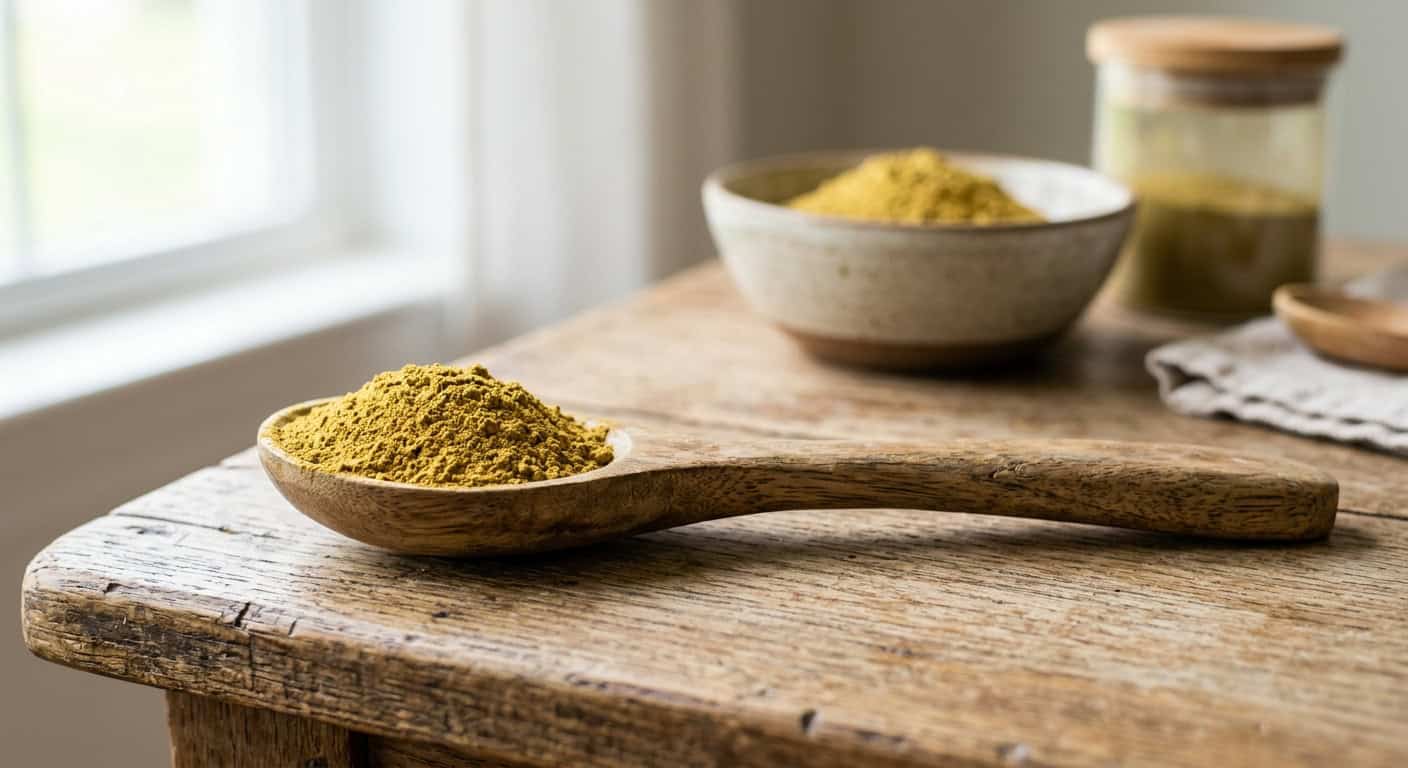
Many people enjoy using the powder to brew a warm cup of tea. Making tea is a traditional method that has been used in Southeast Asia for centuries. You simply simmer the powder in hot water, strain out the plant material, and add a little honey or lemon to enhance the flavor.
If you prefer a more convenient option, capsules are an excellent choice. Capsules contain pre-measured amounts of powder enclosed in a dissolving shell. They are perfect for taking with you on the go, keeping in your desk at work, or packing in your gym bag.
For those who want a modern approach, liquid extracts are also becoming popular. These are highly concentrated forms of the plant’s alkaloids. While they are very convenient, they are also quite potent, so they are generally recommended for more experienced users.
How To Find The Best Kratom Powder
The best yellow kratom powder comes from a transparent vendor and shows a vibrant golden colour, a fine texture, and a fresh, earthy aroma. Quality matters immensely when it comes to botanical products. A high-quality batch will provide a vastly superior experience compared to a poorly processed one.
When shopping for yellow kratom powders, the first thing to look for is transparency from the vendor. Reputable sellers will always provide detailed information about where their products come from. They should be able to explain their sourcing practices and the specific fermentation methods used by their farmers.
The physical appearance of the powder can also tell you a lot about its quality. A good golden variety should have a vibrant, slightly warm hue. It should not look dull, brown, or washed out. The powder should also have a fine, fluffy consistency rather than being clumpy or gritty.
Finally, pay attention to the aroma. Fresh, high-quality powder will have a rich, earthy smell. Because of the fermentation process, golden varieties often have a slightly sweeter, more complex scent compared to standard green leaves. If the powder smells stale or has no aroma at all, it is likely past its prime.
Storing Your Botanicals for Maximum Freshness
Yellow kratom stays fresh longest in an airtight container kept in a cool, dark place away from light, heat, and moisture. Proper storage is crucial for maintaining the delicate alkaloid profile of the plant. If left exposed to the elements, the powder can quickly lose its potency and vibrant color.
The main enemies of fresh powder are light, heat, moisture, and oxygen. To protect your supply, you should always keep it in an airtight container. Mason jars with rubber seals or heavy-duty, resealable mylar bags work perfectly for this purpose.
You should also store your containers in a cool, dark place. A kitchen cabinet, a pantry, or a dedicated storage box in your closet are ideal locations. Never leave your powder sitting out on a sunny windowsill or near a heat source like an oven or radiator.
By taking a few simple precautions, you can ensure that your golden varieties remain fresh and effective for many months. Taking care of your botanicals guarantees that every serving will be just as enjoyable as the very first one.
Yellow Kratom Compared to Other Vein Strains
For users who are already familiar with white kratom and green vein kratom, yellow kratom slots into the rotation as something distinct rather than a substitute. The fermentation step shifts the alkaloid profile in a way that experienced kratom users describe as smoother and longer lasting than the equivalent strain of kratom in its pre-fermented form. That is why yellow vein strains have built a loyal following despite not occurring naturally on the tree.
Yellow kratom is legal in most jurisdictions where any kratom is legal because the regulation treats the species, not the processing method. Kratom capsules and loose powder formats are both widely available from quality kratom vendors, and the price tends to be similar to other vein strains rather than significantly higher. The kratom experience with a yellow product depends as much on the source as on the color, so settling on a vendor whose process you trust matters more than chasing the rarest yellow kratom product you can find.
Yellow Kratom Strains and Vendor Selection
Yellow Borneo, Yellow Thai, Yellow Vietnam, and Yellow Maeng Da are the most commonly stocked yellow strains across the major kratom vendors. Each one starts from a base white or green leaf, then goes through fermentation that develops its golden character. A kratom vendor that posts current lab reports for each yellow batch makes it possible to compare alkaloid profiles across regions, which helps narrow your choice if you have specific preferences.
For first-time yellow buyers, a small order of Yellow Borneo from a reputable supplier is a sensible entry point. The variety is widely available, the fermentation tends to be well controlled, and the resulting powder is mild enough to evaluate clearly. From there, branching out to other yellow strains as you develop preferences makes the kratom experience richer rather than confusing.
Yellow Kratom Compared to Green and Gold Kratom
For users already familiar with green kratom or gold kratom, yellow kratom slots into the spectrum as a distinct character rather than a substitute. Yellow tends to feel longer-lasting than the green base it often starts from, because the fermentation step shifts the alkaloid balance toward compounds with slightly different binding profiles. The kratom use case for yellow is typically a balanced daytime experience that runs steadier than a comparable green dose.
Gold kratom often incorporates red leaf material into the blend, which gives it a warmer, calmer tone than most yellow varieties. The line between yellow and gold blurs across vendor catalogues, but the practical distinction is that yellow generally starts from younger leaves and gold often involves red components. Both are processing-defined categories rather than vein-color categories, and both reward users who buy from vendors with consistent processing protocols.
Choosing a Yellow Kratom Product
Yellow Borneo, Yellow Thai, and Yellow Maeng Da are the most commonly available yellow varieties across Canadian and U.S. vendors. Each one carries its own character despite the shared yellow designation. The yellow kratom product you choose should reflect what you already know works for you in the green category, since most yellow strains start from a green or white base that you may have prior experience with.
For first-time yellow buyers, a small order of Yellow Borneo from a vendor whose green Borneo you have already tried gives you the cleanest comparison. The two products will share underlying character from the same regional leaf, with yellow adding the fermentation-driven shift on top. This comparison-based approach to evaluating new kratom strains, rather than buying random products from random vendors, is the most efficient way to learn what you actually prefer across the broader kratom catalogue.
Yellow Thai kratom and the American Kratom Association quality framework
Yellow Thai kratom is one of the more specialized yellow varieties, with character that sits between Yellow Maeng Da and Yellow Borneo for most kratom consumers. Vendors stocking Yellow Thai usually source from established Thai-genetics farms that have continued the cultivar even though most cultivation has moved to Indonesia. The American Kratom Association GMP qualification framework covers yellow strains the same way it covers any other kratom product, with manufacturing, lab testing, and labeling standards applied across the catalogue. Buyers shopping for Yellow Thai or any other yellow strain benefit from sticking to GMP-qualified vendors, since the processing complexity of yellow products makes vendor discipline particularly valuable for consistency.
Yellow Kratom questions
What Is Yellow Vein Kratom Good For?
This specific variety is excellent for providing a smooth, balanced boost of energy and enhanced motivation. It is widely used by people who want to increase their focus and productivity without feeling overwhelmed. It serves as a perfect middle ground between the relaxation of red varieties and the sharp energy of white varieties.
How Is Yellow Kratom Different From Green Vein?
While both offer a balanced experience, the difference lies in the processing. Green varieties are simply dried indoors and outdoors to maintain their natural color. The golden varieties undergo an additional fermentation process that alters the chemical profile, often resulting in a warmer, more sustained energy compared to standard green leaves.
When Is The Best Time To Use Yellow Kratom?
Most enthusiasts prefer to use these varieties during the daytime. Mid-morning or early afternoon are the most popular times, as the botanical provides a steady lift to help you push through the rest of your day. It is generally not recommended for late evening use, as the uplifting properties might keep you awake.
How Do I Choose The Right Yellow Kratom Strain?
Choosing the right option depends on your personal goals. If you want a smooth, gentle experience, a Borneo variety is a great starting point. If you need robust, long-lasting motivation for a busy day, a Maeng Da variety might be the better choice. It is always best to start with small amounts of different regional varieties to see which one you prefer.
Does Yellow Kratom Powder Expire?
While botanical powders do not spoil like fresh food, they can lose their potency over time if not stored correctly. If kept in an airtight container away from light, heat, and moisture, the powder can remain fresh for up to a year. If the powder loses its earthy aroma or its vibrant color fades to a dull brown, it has likely lost much of its effectiveness.


What is Kratom Used For?
Kratom is a tropical evergreen tree native to Southeast Asia, belonging to the coffee family. Its leaves have been used for centuries in traditional practices throughout Indonesia, Thailand, and Malaysia. Discover the various uses and benefits of this plant.
What is Red Kratom?
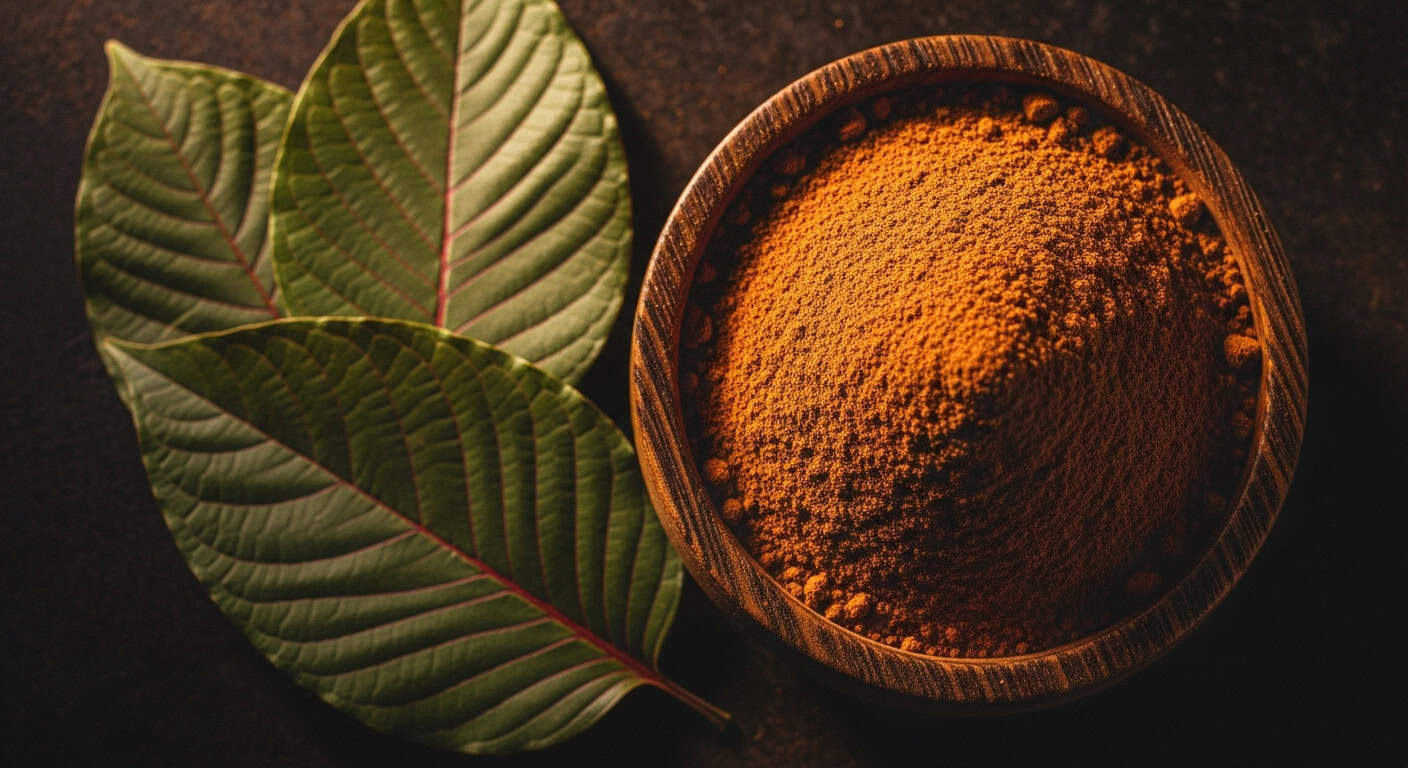
Red kratom is a popular variety of the Mitragyna speciosa tree known for its deeply soothing profile. It offers a wonderful way to unwind and relax at the end of a long day.