
Blog
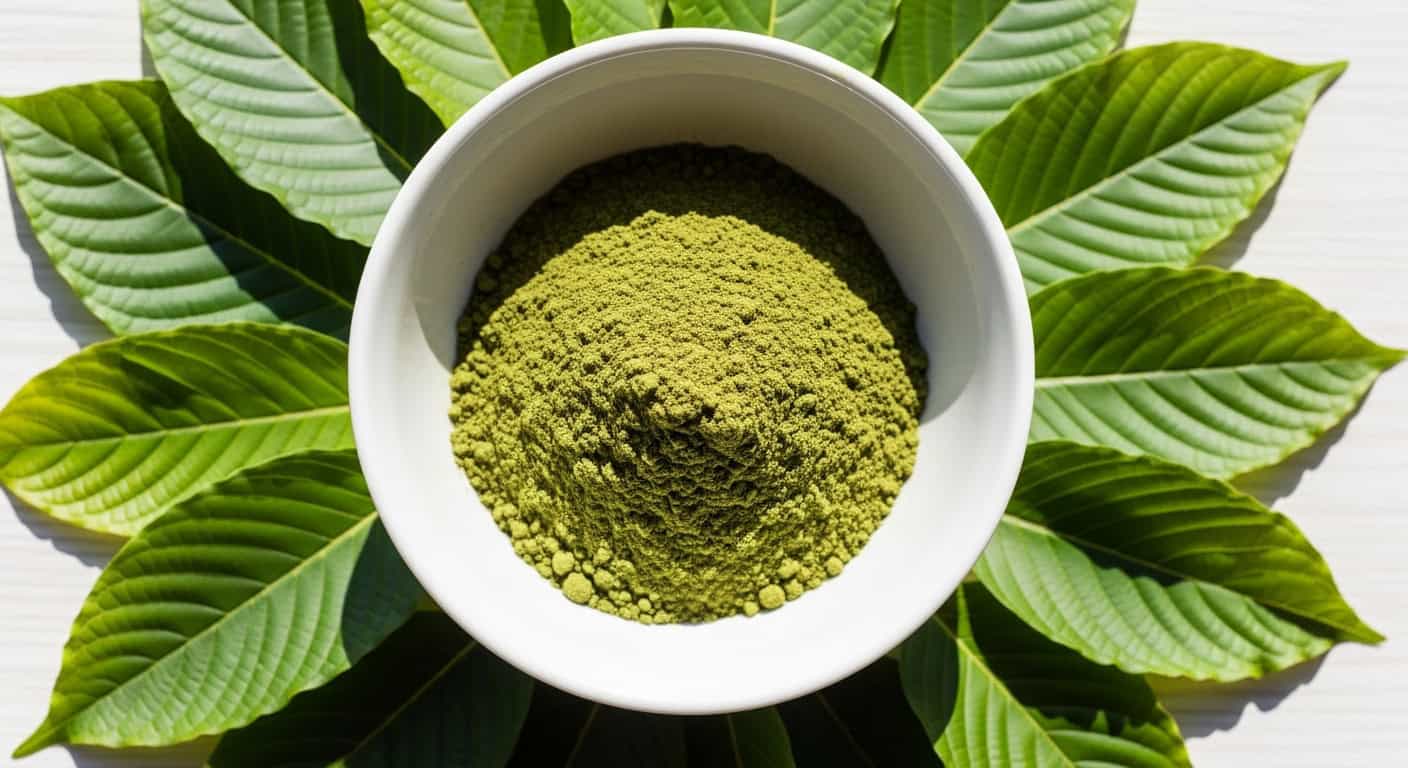
Green kratom is the balanced middle option among kratom vein colours, made from Mitragyna speciosa leaves harvested mid-cycle and dried to keep a profile that sits between energizing whites and sedating reds. It is widely chosen for daytime use because it offers gentle energy and mild calm at the same time. This guide explains how green kratom is made, the main green strains, and who it suits best.
When you start looking into different options, the sheer variety can feel a bit overwhelming. You will see different colors, different names, and a wide array of choices. Among all these options, green kratom stands out as the ultimate middle ground. It is famous for offering a perfect harmony of benefits that appeal to both beginners and seasoned enthusiasts alike.
Understanding what makes this specific color so special is the key to unlocking a better botanical experience. It bridges the gap between the extremes of other varieties. Whether you want to boost your morning routine or find a sense of afternoon focus, this color profile has something to offer.
What Is Green Vein Kratom?
Green vein kratom comes from Mitragyna speciosa leaves harvested at the midpoint of maturity, giving it a balanced profile between white and red. Every kratom leaf has a stem and veins running through it. The color of these veins changes as the leaf matures on the tree. This color indicates the specific chemical profile developing inside the plant material.
A white vein indicates a young leaf, while a red vein shows that the leaf has reached full maturity. Green vein kratom comes from leaves harvested right in the middle of this growth cycle. Because it is picked at the midpoint of its life, it develops a highly desirable, well-rounded profile.
The drying process also plays a massive role in creating the final kratom product. Farmers harvest these mid-cycle leaves and typically dry them indoors in an air-conditioned room. After a brief period of indoor drying, they are moved outside to finish under the direct sun. This specific combination of harvesting timing and drying techniques locks in the balanced effects that make this variety so popular.
The Origins of the Green Strain
The Mitragyna speciosa tree thrives in the specific climate of Southeast Asia. Countries like Indonesia, Thailand, and Malaysia provide the perfect combination of rich volcanic soil, high humidity, and intense tropical sunlight. These environmental factors are absolutely essential for the tree to produce its active compounds.
Local farmers have cultivated these trees for generations. They possess a deep, inherited knowledge of exactly when to harvest the leaves to achieve specific results. Traditional kratom use involved chewing the raw leaves directly off the tree or brewing them into a strong tea to help workers get through long days of physical labor.
Today, the leaves are carefully harvested, dried, and ground into fine kratom powder before being shipped worldwide. While the methods of consumption have evolved, the deep connection to the tropical environments of Southeast Asia remains the foundation of every quality kratom product on the market.
Understanding the Alkaloids
Kratom’s effects come from its alkaloids, chiefly mitragynine and 7-hydroxymitragynine, which interact with receptors in the body. The kratom leaf contains over forty different alkaloids, but two of them do the heavy lifting. These two primary compounds are Mitragynine and 7-Hydroxymitragynine.
Mitragynine is the most abundant alkaloid in the plant. It is primarily responsible for the energetic and uplifting qualities of the leaf. It acts as a natural stimulant, providing a clean, focused boost of energy without the jitters you might get from too much coffee.
The second key alkaloid is 7-Hydroxymitragynine. While present in smaller amounts, it is incredibly potent. This compound provides the analgesic properties of the plant. An analgesic is simply a substance that relieves pain. Together, these two alkaloids create a unique experience that can simultaneously energize the mind and soothe the body.
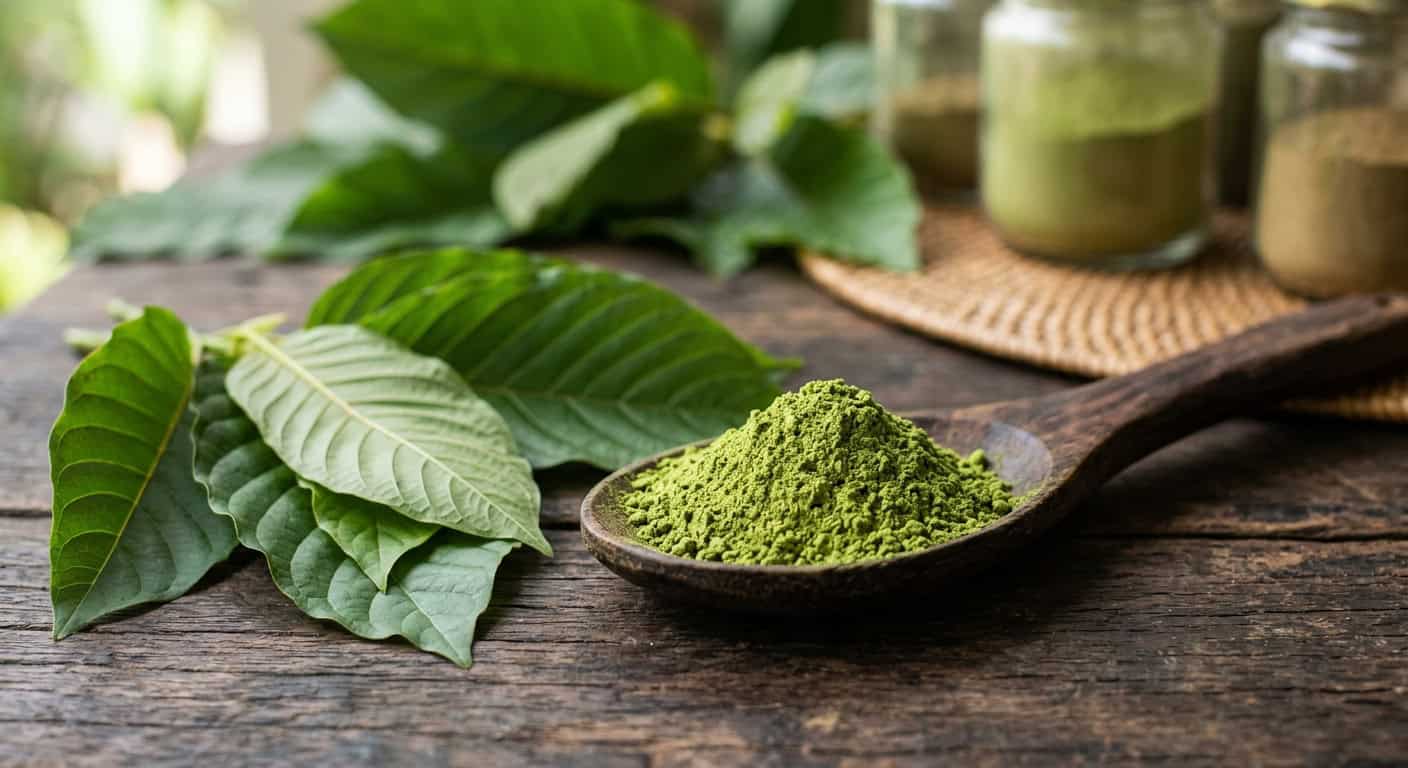
Green Kratom vs Other Vein Colors
Green kratom sits between white and red, offering gentle energy like a white strain and mild calm like a red. White vein kratom is famous for its intense energy. People often use it first thing in the morning to kickstart their day. However, for some people, white varieties can be a little too stimulating.
On the other end of the spectrum is red vein kratom. Red kratom strains are heavily oxidized during the drying process, which enhances their sedative qualities. People typically take red varieties in the evening to unwind, relax, and prepare for a restful night of sleep.
Green kratom sits perfectly between these two extremes. It provides a gentle lift in energy similar to white varieties, but it also offers the physical relaxation associated with red varieties. This makes it the most versatile option available, suitable for almost any time of day.
The Unique Effects of Green Kratom
Green kratom delivers a balanced mix of mood lift, focus, and mild relaxation thanks to its mid-range alkaloid profile. One of the most notable effects is a significant enhancement in mood (psychology). Many people find that it helps clear mental fog, promotes a positive outlook, and makes daily tasks feel much more manageable.
It is also highly regarded for its ability to ease anxiety. The subtle relaxation it provides helps calm a racing mind, allowing you to focus on your work or enjoy social situations with greater ease. It offers a sense of calm without making you feel heavy or tired.
Additionally, many people turn to this botanical to help manage chronic pain. The analgesic properties provide effective relief from physical discomfort. Because it does not have the heavy sedative effects of red strains, you can use kratom for pain relief during the day while remaining active, alert, and productive.
Exploring Popular Green Kratom Strains
Popular green kratom strains include Green Malay, Green Bali, Green Maeng Da, and Green Borneo, each named for region or potency. The first part is the color, and the second part usually indicates the geographic region where it was grown or a specific blending technique. Exploring different strains of kratom is part of the fun of building your botanical routine.
Green Malay
Green Malay is one of the most famous varieties in the world. As the name suggests, its genetic lineage traces back to Malaysia. This specific variety is renowned for its incredibly long-lasting effects. It provides a smooth, sustained boost in energy and mood that can carry you through a long workday.
Green Bali
If you are looking for a classic, reliable experience, Green Bali is an excellent choice. It is known for having a slightly higher concentration of pain-relieving alkaloids compared to other green options. It provides a deeply comforting experience, making it perfect for those seeking physical relief alongside a gentle mental uplift.
Green Maeng Da
Maeng Da translates roughly to “pimp grade” in Thai, indicating a product of superior quality and potency. Green Maeng Da is carefully bred and blended to be incredibly strong. It leans slightly more toward the stimulant side, offering sharp focus, high energy, and intense motivation.
Green Borneo
Sourced from the massive island of Borneo, this variety is highly praised for its relaxing properties. Green Borneo is excellent for melting away stress and tension. It provides a very clear-headed experience, allowing you to relax your body while keeping your mind sharp and engaged.
How to Take Kratom
Kratom is taken as loose powder mixed into liquid, in capsules, or brewed as tea, with the choice coming down to convenience and taste. The most common and cost-effective form is plain kratom powder.
Many enthusiasts use the toss and wash method. This involves placing your measured dose of powder directly into your mouth and washing it down quickly with a large glass of water or juice. Orange juice is particularly popular because the citrus helps mask the naturally bitter, earthy taste of the plant.
Capsules are another incredibly popular option. They eliminate the taste entirely and provide precise, pre-measured doses of kratom. Capsules are perfect for taking your botanical routine on the go, whether you are heading to the office or traveling.
Beyond typical daily wellness habits, some people explore extracts and liquid shots. These are highly concentrated forms of the plant. While they are convenient, they are also very potent, so they are usually better suited for experienced individuals rather than beginners.
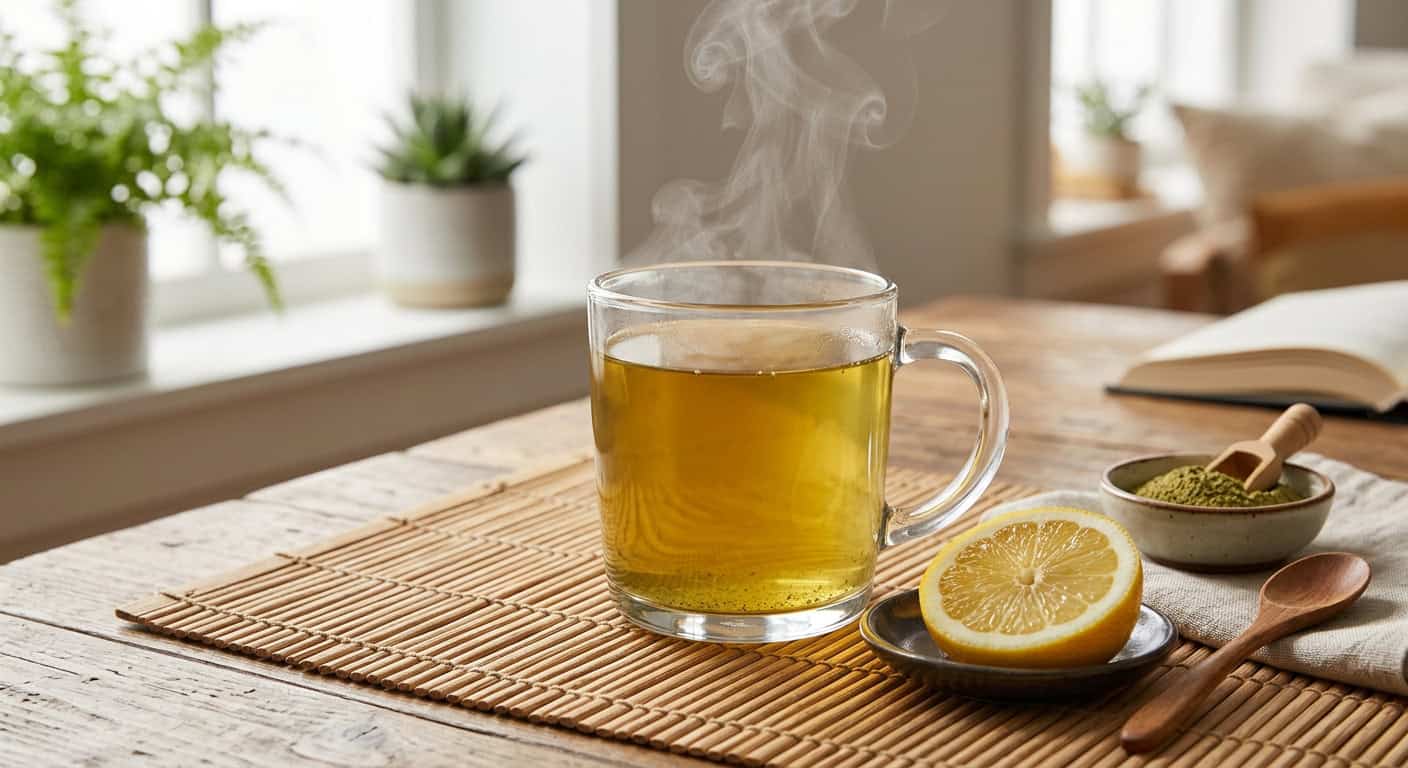
The Art of Making Kratom Tea
Brewing tea is one of the oldest and most traditional ways to use kratom. Making tea changes the experience slightly, often resulting in a faster onset of effects. It is also a wonderful ritual that forces you to slow down and appreciate the botanical.
To make the tea, you simply simmer your preferred kratom powder in water for about fifteen to twenty minutes. It is highly recommended to add a splash of lemon juice or apple cider vinegar to the water. The mild acidity helps extract the alkaloids from the plant material more effectively.
Once the simmering is complete, you can pour the liquid through a fine mesh strainer or a coffee filter to remove the remaining plant grit. This results in a smooth, clean beverage. You can sweeten the tea with honey, agave, or sugar to make the earthy flavor much more enjoyable.
Finding the Right Kratom Dosage
Kratom dosage is dose-dependent: roughly one to two grams is stimulating, three to five grams is balanced, and above six grams is sedating. The effects of kratom are highly dependent on how much you take. A unique characteristic of this plant is that lower doses tend to be more stimulating, while higher doses lean toward being more relaxing and sedative.
If you are just starting out, always start low and go slow. A standard beginner dose is between one and two grams. This small amount is usually enough to provide a noticeable boost in energy and a subtle enhancement in mood.
A moderate dose falls between three and five grams. This is the sweet spot for most people, where the balanced effects of the green strain truly shine. You will experience a blend of clear-headed focus and soothing physical relief.
Doses above six grams are considered high. At this level, the analgesic and relaxing properties become dominant. It is important to measure your powder accurately using a digital scale rather than relying on volume measurements like teaspoons, as the density of the powder can vary greatly.
Building a Sustainable Routine
A sustainable kratom routine relies on intentional use, strain rotation, and regular breaks to keep tolerance low. It is always best to use it with intention rather than just out of habit. Many people find success by reserving their use for specific times, such as before a demanding work project or after a particularly strenuous workout.
It is also highly beneficial to rotate the different kratom strains you use. If you take the exact same variety every single day, your body will naturally build a tolerance to that specific alkaloid profile. By switching between a Green Malay and a Green Bali, for example, you keep your system guessing and maintain the efficacy of the plant.
Taking occasional breaks from your routine is another excellent practice. Taking a few days off here and there is a simple way to keep your tolerance low and avoid kratom withdrawal. A sustainable, mindful approach ensures that you get the maximum benefit from your botanical routine for years to come.
Choosing a Quality Kratom Vendor
A quality kratom vendor is transparent about sourcing, publishes third-party lab results, and ships fresh, properly stored product. Not all options on the market are created equal. Finding a reputable kratom vendor is an essential step in your journey.
Always look for vendors who are transparent about their sourcing. The best suppliers have direct relationships with farmers in Southeast Asia. This ensures that the leaves are harvested at the right time and dried properly.
Quality testing is another crucial factor. A reliable vendor will send their batches to independent laboratories to test for purity and alkaloid content. This guarantees that you are getting a clean, potent product free from dirt or adulterants. Do your research, read community reviews, and choose a supplier that prioritizes quality over cheap prices.
Storing Your Kratom Properly
Kratom keeps best in an airtight container in a cool, dark place, since light, heat, moisture, and air degrade its alkaloids. The alkaloids in the plant are sensitive to environmental factors. Light, heat, moisture, and oxygen can all degrade the quality of your product over time.
Always keep your powder in an airtight container. Mason jars or vacuum-sealed bags work perfectly. Store the container in a cool, dark place, such as a pantry or a dedicated cabinet.
Never store your powder in the refrigerator or freezer. The fluctuating temperatures can cause condensation to form inside the container, introducing moisture to the powder. If kept dry and away from direct sunlight, a quality batch can maintain its potency for many months.
The Community and Culture
The kratom community is a global network of users who share recipes, strain reviews, and dosing advice. Millions of people around the world have discovered the benefits of this plant. While some associate it with recreational drug use, the vast majority of people use it as a tool for personal wellness, productivity, and an improved quality of life.
Online forums and local community groups are fantastic resources. They are filled with people sharing their personal recipes, reviewing different strains of kratom, and offering advice on dosage. Learning from the experiences of others can drastically shorten your learning curve.
Whether you are looking for relief from pain, a natural way to ease anxiety, or just a clean boost of energy to get through your day, this vibrant green powder has a lot to offer. By understanding the origins, respecting the plant, and finding the right variety for your needs, you can unlock a truly balanced and beneficial experience.
Green Kratom Compared to White Kratom and Other Vein Strains
Choosing a kratom strain often comes down to comparing the green you are considering against the white strain or white kratom alternatives at the same vendor. Green vein strains and white vein strains share a younger-leaf profile that tends toward stimulating effects, but greens are processed differently and feel rounder and longer lasting. The use of kratom from a green strain across a working morning is one of the most common patterns among regular users because the lift is sustained without being sharp.
Where green kratom really stands out is in the middle of the spectrum. The use of kratom from a pure white can feel too forward for some users, while a red sits too far on the relaxed end for daytime use. Green vein varieties bridge the gap, which is why they appear so often in beginner recommendations and so frequently in long-term users’ rotations. Green Maeng Da and Green Malay are the two cited most often, with green kratom from Borneo as a softer alternative.
Green Kratom Capsules, Extracts, and Quality Sourcing
Beyond loose powder, kratom capsules give green strain users a more portable option for workdays, travel, and times when measuring powder is inconvenient. The capsule format adds about fifteen minutes to onset because the shell has to dissolve, but the alkaloid load is the same once it reaches the stomach. Kratom extract products derived from green strains are also available, though most experienced users keep extracts as an occasional tool rather than a daily routine because of how quickly tolerance builds.
The American Kratom Association maintains a list of GMP-qualified vendors that have passed third-party audits of their manufacturing and handling practices. Buying green kratom from a qualified source is the simplest way to know what is actually in the powder, since the kratom plant produces variable alkaloid content depending on growing conditions, harvest timing, and processing. A vendor that publishes current lab reports for each batch turns that variability into something predictable.
How to Use Kratom of the Green Variety in Different Routines
People use kratom of the green variety for a wider range of purposes than any other vein color because the balanced character fits more use cases. A morning routine that wants energy without sharpness benefits from green Maeng Da. An afternoon routine that wants focus without the heaviness of red works well with green Borneo. An evening wind-down that wants relaxation without full sedation often pairs green Malay with calming activities.
The use of kratom in any green variety follows the same dose-response curve as other colors. Smaller doses lean toward the stimulating end of the green spectrum, while larger doses lean toward the calming end. Most users settle on a 2 to 4 gram range for daytime green use, with adjustments based on the specific strain and the goals for that session. Kratom extract products derived from green strains are available but unnecessary for most green-strain users, since the natural balanced character is part of what makes the variety useful.
Green Kratom vs White Strain Choices and Buyer Decisions
Choosing between green kratom and white strain options often comes down to how energizing you want the experience. Green is gentler and lasts longer. White is sharper and peaks faster. Many users keep both in rotation, reaching for green on most days and white on days that demand more obvious lift. The kratom plant itself produces both profiles depending on harvest timing and processing, so the difference reflects real chemistry rather than just marketing.
To buy kratom of either color confidently, choose a vendor whose lab reports and customer feedback both support the brand. Kratom capsules in either color give a convenient format for travel and busy days, while loose powder allows precise dose adjustment. The American Kratom Association maintains a list of GMP-qualified vendors that have passed third-party manufacturing audits, which is a useful starting point when narrowing down where to buy. Once you have settled on a vendor and a green or white you trust, the rest of the kratom learning curve becomes a matter of personal calibration rather than vendor research.
Energizing effects and the best kratom green strains
The energizing effects of green kratom strains come through more gently than the sharper white-vein character, which is part of what makes greens so popular for sustained daytime use. The best kratom green options are typically Green Maeng Da, Green Borneo, and Green Malay, each delivering a slightly different balance of energy and calm. Kratom may produce somewhat different effects across vendors selling the same nominal green strain, which is why building familiarity with one vendor’s green Maeng Da before exploring alternatives gives you a clearer baseline.
Green Kratom questions
What Does Green Kratom Do?
It provides a beautifully balanced experience that sits between the high energy of white varieties and the deep relaxation of red varieties. It typically offers a clean boost in energy, enhanced mental focus, a noticeable uplift in mood, and mild to moderate physical relief. It is considered the most versatile option for daytime use.
What Is Kratom Green Malay?
This is a specific variety originating from the genetic lineage of trees in Malaysia. It is famous in the community for having exceptionally long-lasting effects. People often choose this variety when they need sustained energy, focus, and mood enhancement to get through a long, demanding day without needing to take multiple doses.
Can Green Kratom Help With Pain?
Yes, it can be very effective for managing physical discomfort. It contains the alkaloid 7-Hydroxymitragynine, which acts as a natural analgesic. While it may not be quite as heavy or sedating as a red variety, it provides excellent relief while allowing you to remain clear-headed, active, and productive throughout your day.
Which Color Kratom Is Strongest?
Strength depends entirely on what effects you are looking for. White is the strongest for pure energy and stimulation. Red is the strongest for deep relaxation and physical relief. Green is considered the strongest for overall balanced effects, offering the best of both worlds in a single, well-rounded experience.
What Is The Most Powerful Form Of Kratom?
Extracts and liquid shots are the most powerful forms available on the market. These products use specialized extraction methods to pull the active alkaloids out of the raw leaf material, resulting in a highly concentrated liquid or resin. Because they are so potent, they are generally recommended only for very experienced individuals with a deep understanding of their personal tolerance.

Kratom Ontario 2026: What Ontario Is Searching For
Kratom trends in Ontario for 2026: the strains people search for, why buyers go online, and the legal facts, from a lab-tested Canadian vendor.

What is Kratom Used For?
Kratom is a tropical evergreen tree native to Southeast Asia, belonging to the coffee family. Its leaves have been used for centuries in traditional practices throughout Indonesia, Thailand, and Malaysia. Discover the various uses and benefits of this plant.