
Blog
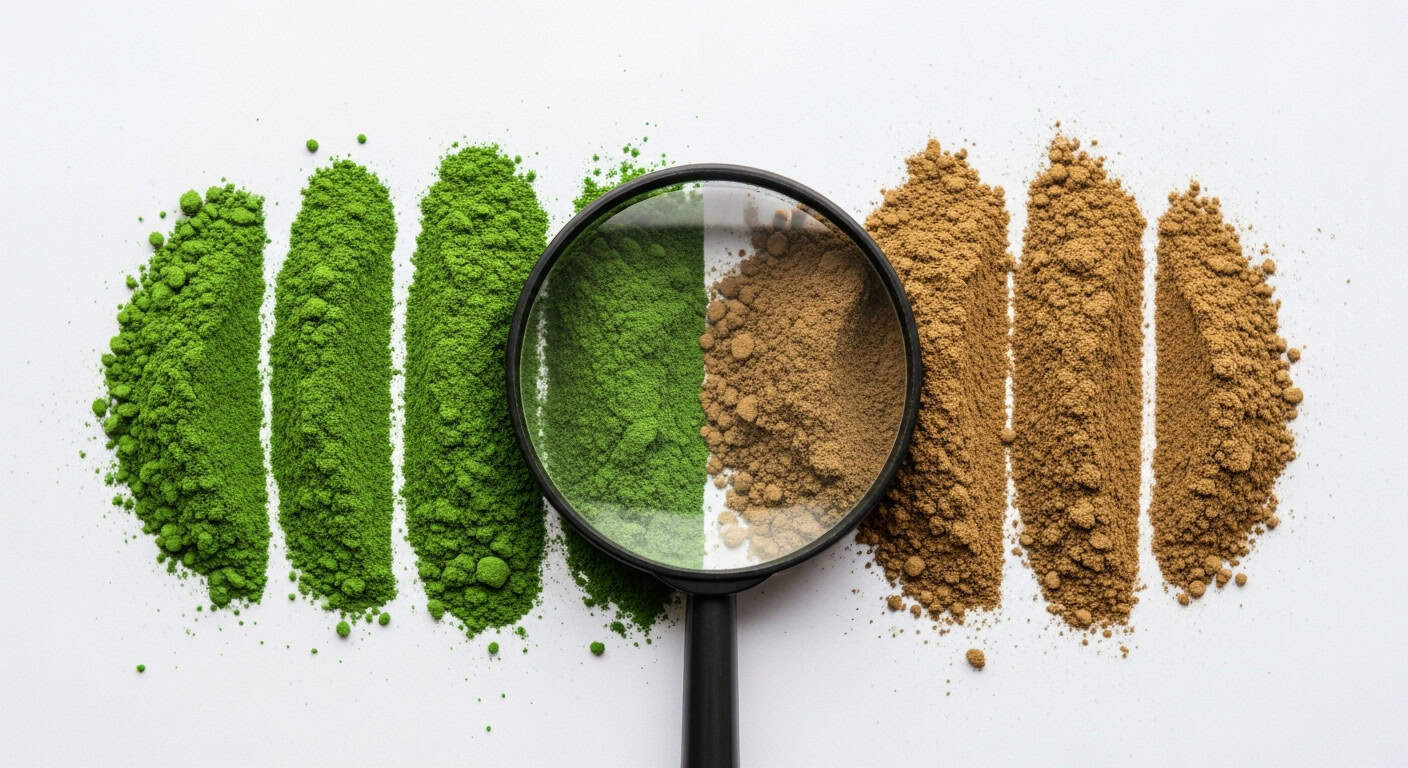
Quality kratom is fresh, single-strain powder from a vendor that publishes a current third-party lab report showing its mitragynine content and clean contaminant screens. You identify it by checking the lab results, the vendor’s sourcing transparency, and the powder’s colour, aroma, and texture. This guide walks through each quality signal so you can tell premium kratom from a low-grade or adulterated product.
Finding high-quality Kratom can feel overwhelming, especially with so many options available online and in stores. The difference between premium Kratom and low-quality alternatives comes down to several key factors that any informed consumer can learn to recognize. This guide walks you through everything you need to know about identifying authentic, potent Kratom from reputable sources.
Understanding what makes Kratom high-quality starts with knowing the plant itself. Mitragyna speciosa is a tropical tree native to Southeast Asia, and the quality of the final product depends heavily on where and how it grows, how it gets harvested, and how it gets processed. Reputable vendors take pride in sourcing their Kratom from established farms with ideal growing conditions. When you understand these basics, you can make smarter purchasing decisions and avoid wasting money on inferior products.
The Basics of Kratom Quality
Kratom quality essentially comes down to two things: the alkaloid content and the purity of the product. Alkaloids are the naturally occurring compounds in Kratom leaves that give it its characteristic properties. The two most discussed alkaloids are mitragynine and 7-hydroxymitragynine, and their concentrations vary based on the strain, growing conditions, and processing methods.
Premium Kratom typically comes from mature trees that have been cultivated in nutrient-rich soil under optimal weather conditions. Farmers in regions like Borneo, Sumatra, and Malaysia have generations of experience growing Kratom trees the right way. The leaves get harvested at the right time, dried properly, and processed without adding any fillers or contaminants. This attention to detail throughout the entire process is what separates quality Kratom from the mass-produced alternatives flooding the market.
Understanding the source of your Kratom matters more than most people realize. When you buy Kratom from a vendor who can trace their products back to specific farms, you gain confidence in what you’re consuming. Reputable vendors build relationships with their growers and understand exactly how each batch gets produced. This transparency might seem like extra work, but it ensures you receive a consistent, high-quality product every time.
Why Lab Testing Matters
Lab testing is the most reliable way to confirm kratom quality, since it measures alkaloid potency and screens for contaminants. Third-party testing provides objective confirmation that a product contains what the label claims and nothing more. Any reputable vendor will have current lab results readily available for their customers to review.
When examining lab testing results, look for alkaloid potency levels. These tests reveal the exact concentrations of mitragynine and other key alkaloids in the product. High-quality Kratom typically shows robust alkaloid profiles with significant potency. If a vendor cannot provide lab results or the results show suspiciously low alkaloid levels, that should raise immediate concerns about product quality.
Beyond alkaloid content, lab testing also checks for contaminants. Quality Kratom should be free from heavy metals, microbial contaminants, pesticides, and other harmful substances. Reputable third-party laboratories use rigorous testing protocols to identify any impurities that might compromise product safety and quality. This additional layer of verification gives consumers peace of mind that they’re getting pure, authentic Kratom.
The testing process itself tells you something about a vendor’s commitment to quality. Vendors who invest in comprehensive third-party testing demonstrate that they take product quality seriously. They’re not trying to hide anything from their customers. Instead, they welcome the scrutiny because they know their Kratom will pass with flying colors.
What Reputable Vendors Do Differently
Reputable kratom vendors differ from the rest through transparent sourcing, responsive support, honest claims, and consistent stock. Reputable vendors prioritize quality at every step, from sourcing to shipping. They don’t cut corners to save money because they understand that their customers depend on them for consistent, premium products.
Customer service is a telling indicator of vendor quality. Reputable vendors employ knowledgeable staff who can answer questions about their products, strains, and usage. They don’t make exaggerated claims or pressure customers into purchases. Instead, they provide honest information that helps customers make informed decisions. When you reach out to a potential vendor, pay attention to how they respond. Professional, helpful communication suggests a company that genuinely cares about its customers.
A reputable vendor maintains consistent product availability. They don’t constantly run out of stock or switch between suppliers without notice. Quality vendors establish reliable supply chains that ensure their customers can depend on finding their preferred strains whenever they need them. This consistency extends to pricing as well. While prices may vary slightly based on market conditions, reputable vendors don’t engage in extreme discounting or bait-and-switch tactics.
Brand reputation matters in this industry. Look for vendors who have been in business for several years and built a solid track record. Read customer reviews across multiple platforms to get a balanced perspective. Keep in mind that even the best vendors occasionally receive negative reviews, but the overwhelming majority of feedback should be positive. Established brands have proven themselves through thousands of satisfied customers over time.
Physical Characteristics of Quality Kratom Powder
Quality kratom powder has a vibrant colour matching its vein type, a fine smooth texture, and a strong earthy aroma. Premium Kratom powder typically displays a rich, vibrant color that corresponds to its vein type. Red vein varieties tend toward deep reddish-brown tones, while green strains appear more olive or sage-colored. White vein Kratom usually looks lighter, sometimes approaching a pale beige. These natural colors should be consistent throughout the powder without any strange discoloration or variation.
Texture provides another quality indicator. High-quality Kratom powder feels fine and smooth, almost like baby powder. This fine texture results from proper grinding and processing techniques. You should be able to rub a small amount between your fingers without encountering any gritty particles or chunky fragments. Coarse or inconsistent texture often indicates inferior processing methods or potential contamination.
The aroma of quality Kratom powder should be distinct and characteristic. Fresh, premium Kratom carries a potent, earthy smell that reflects its botanical origins. If the powder smells stale, musty, or完全没有味道, it may have degraded during storage or processing. Some vendors use scent as a selling point, but the natural aroma of quality Kratom should be recognizable without any added fragrances.
Color is one of the most important visual indicators. Avoid any powder that appears unusually bright, faded, or unevenly colored. These variations suggest the product may have been mixed with other substances, improperly stored, or manufactured using substandard methods. Premium Kratom maintains consistent coloring from batch to batch because the production process follows strict protocols.
Understanding Kratom Strains and Vein Colors
Kratom strains refer to the different varieties available, each with unique characteristics based on their origin and processing. The most common strains include Bali, Borneo, Maeng Da, Thai, Malay, and Sumatra varieties. Each strain offers slightly different properties, and experienced users often develop preferences for specific types based on their individual needs.
Vein color is one of the primary ways to categorize Kratom products. The three main vein colors are red, green, and white, each resulting from different processing methods applied to the harvested leaves. Red vein Kratom comes from leaves with reddish-colored veins, typically dried longer than other varieties. Green vein Kratom falls somewhere in between, while white vein varieties get dried for shorter periods.
Red vein strains tend to be the most popular among experienced users. Many people find red strains particularly appealing for their balanced properties and smooth character. Green strains offer a middle ground that some users prefer for daytime use. White vein varieties are often described as more energizing by those who use them.
Maeng Da deserves special mention as one of the most recognized strains available. Originally developed in Thailand, Maeng Da has become synonymous with potency and quality across the Kratom community. This strain consistently delivers strong effects, which explains why it commands premium pricing. However, not all products labeled Maeng Da actually contain authentic material, so purchasing from verified sources remains essential.
Identifying Authentic Versus Low-Quality Kratom
Low-quality kratom reveals itself through suspiciously low prices, cheap unmarked packaging, and missing sourcing information. Low-quality products often display several telltale signs that perceptive buyers can catch before making a purchase. Learning these indicators protects you from wasting money and ensures you get products that actually work.
Price offers the first clue. While bargains are nice, extremely low prices often signal inferior quality. Producing genuine, lab-tested Kratom costs money. Vendors offering prices significantly below market rates may be cutting corners on production, skipping testing, or selling diluted products. Quality costs money, and realistic pricing reflects the actual value of properly sourced and tested Kratom.
Packaging quality matters more than some people realize. Reputable vendors invest in professional packaging that protects the product and provides clear information. Low-quality Kratom often arrives in cheap, unmarked bags with no labeling or ingredient information. Professional packaging includes batch numbers, strain names, vendor information, and expiration dates. This attention to detail reflects the vendor’s overall commitment to quality.
The source information available from a vendor reveals their legitimacy. Reputable vendors proudly share where their Kratom originates, how it gets processed, and who tests it. If a vendor cannot or will not provide basic sourcing information, consider that a major red flag. Quality vendors have nothing to hide and want customers to feel confident about their purchases.
Counterfeit products do exist in the Kratom market, though they’re less common than many people fear. These fake products typically mimic authentic packaging and branding but contain inferior or entirely different substances. Purchasing directly from verified vendors eliminates most counterfeit risks. If a deal seems too good to be true, it probably involves counterfeit goods.
Reading Labels and Packaging Information
A quality kratom label states the strain, origin, batch number, manufacturing or expiration date, and third-party testing status. Quality vendors include comprehensive details on their packaging, giving customers everything they need to make informed decisions. Understanding what these labels mean helps you evaluate products more effectively.
The label should clearly identify the strain type, whether it’s a red, green, or white vein variety. It should also specify the origin country when possible. Premium products typically list specific regions like Borneo, Sumatra, or Bali rather than vague geographic references. This specificity suggests the vendor takes sourcing seriously and knows exactly where their products come from.
Manufacturing information tells you when and how the product was processed. Quality labels include manufacturing dates or expiration dates that help you assess freshness. Kratom gradually loses potency over time, so fresher products generally deliver better results. Batch numbers allow vendors to trace products back to specific production runs, which proves valuable if any quality concerns arise.
The label should reference third-party testing somewhere visible. This might appear as a testing statement, a link to lab results, or certification numbers you can verify. Any vendor serious about quality will make their testing status clear on the packaging. If you can’t find testing information on the label, check the vendor’s website or contact their customer service before purchasing.
Contact information for the vendor should be clearly displayed. Legitimate businesses want customers to reach out with questions or concerns. Look for company names, addresses, phone numbers, and website information. Vendors who hide their identity or provide no way to contact them directly should be avoided.
The Importance of Freshness and Storage
Fresh kratom retains its potency and aroma, while old stock loses both, so freshness is a core quality factor. Like other botanical products, Kratom gradually degrades over time, losing potency and effectiveness. Understanding how to evaluate and maintain freshness helps you get the most value from your purchases.
When evaluating fresh Kratom, the aroma provides the first indicator. Fresh powder smells potent and distinctive, immediately recognizable to anyone familiar with quality products. Stale Kratom loses much of this characteristic smell, becoming flat or musty instead. If possible, smell the product before purchasing, or order small amounts from new vendors to test freshness before committing to larger orders.
Proper storage extends freshness significantly. Quality Kratom should be stored in airtight containers away from light, heat, and moisture. Many vendors ship their products in resealable bags designed for optimal storage. Once you open the package, transferring contents to a sealed container in a cool, dark location helps preserve potency for months.
Expiration dates on packaging offer guidance about product age. Reputable vendors label their products with clear expiration or best-by dates. While Kratom doesn’t become dangerous after these dates, its effectiveness diminishes noticeably. Always check dates before purchasing and prefer the freshest products available when possible.
Climate affects Kratom quality during shipping and storage. Hot summer months can degrade products left in trucks or mailboxes. Some vendors use insulated packaging or cold packs during warmer seasons to protect their products. If you live in a hot climate, consider expedited shipping to minimize exposure time. Quality vendors understand these concerns and take appropriate precautions.
Building a Relationship with Quality Vendors
A long-term relationship with a quality kratom vendor brings consistent product, insider updates, and loyalty perks. You gain consistent access to high-quality products, while vendors earn loyal customers who appreciate their efforts. These relationships develop naturally over time as you find vendors who meet your standards.
Communication opens doors to better service and insider knowledge. Reputable vendors often share information about new strains, upcoming products, or special offers with their regular customers. Some maintain email lists or social media presence where they post updates. Staying connected means you hear about improvements and changes before the general public.
Sampling different products becomes easier when vendors know your preferences. After purchasing several times from the same source, you’ll develop a relationship where the vendor understands what you’re looking for. They might recommend new strains matching your preferences or alert you when your favorites receive particularly good harvests. This personalized service adds significant value beyond just the products themselves.
Loyal customers often receive benefits unavailable to first-time buyers. Some vendors offer discounts for repeat purchases, early access to new products, or loyalty points redeemable for free merchandise. These programs reward continued business while giving you extra incentive to stay with vendors you’ve come to trust.
Trust develops through consistent positive experiences over time. Once you’ve ordered from a vendor repeatedly and received quality products each time, you can feel confident about future purchases. This confidence eliminates the anxiety that comes with trying unfamiliar vendors, making your Kratom shopping experience much more enjoyable.
Lab Reports, Capsule Quality, and Types of Kratom
A kratom product’s lab report is the first quality check, confirming mitragynine content and clean contaminant screens for the batch. A reputable vendor publishes current third-party lab reports for each batch, with mitragynine percentage, contaminant screens for heavy metals and microbials, and a date that matches the powder you are buying. Lab reports older than six months on a current batch are a soft signal that the vendor may not be testing each new shipment.
For people who use capsule formats, the same lab logic applies. A kratom capsule is just measured powder in a gelatin or vegetable shell, so the underlying batch should be lab tested before the powder is encapsulated. Vendors who post the capsule batch lab results alongside the loose powder version inspire more confidence than vendors who only test the bulk powder and assume the capsules inherit the result.
The types of kratom in any quality vendor’s catalogue should span the major colors and a few regional origins. Looking at the kratom catalogue tells you a lot about the supply chain behind the brand. The best kratom vendors maintain consistency across reorders of the same strain, which is hard to fake. A kratom extract product deserves extra scrutiny because the concentration step amplifies whatever was in the underlying leaf, and using kratom extracts from an untested source is the riskier corner of the market.
Identifying High-Quality Kratom in Practice
To identify high-quality kratom in person, evaluate the powder against three reference points. The color should match the strain name. The aroma should be earthy and fresh rather than musty. The texture should be fine and free of stems or visible debris. Kratom capsules should weigh consistently if you check a small sample on a scale, and the powder inside should match the loose product from the same vendor.
The effects of kratom are the final test. Using kratom from a quality source produces consistent results across multiple servings from the same batch. If one capsule feels strong and the next feels weak from the same bottle, the vendor likely did not blend the powder thoroughly before encapsulating, which is a small but real quality signal. Building a relationship with a vendor whose product reliably matches your expectations is the most efficient way to sidestep the variability that plagues the unregulated end of the kratom market.
Kratom Tea, Enhanced Kratom, and the Quality Question
Kratom tea is one of the oldest preparation methods and remains a useful way to evaluate quality. A simple tea brewed from a measured dose of plain leaf reveals the powder’s character clearly: a quality product will produce a clean, earthy infusion without the dusty or chemical notes that can signal an inferior batch. Enhanced kratom products, where the manufacturer has added concentrated extract back to plain leaf, are harder to evaluate by tea brewing alone because the higher alkaloid load can mask the underlying leaf quality.
Kratom extract products in their various forms, from liquid shots to enhanced powders, demand more scrutiny than plain leaf because the extraction process amplifies whatever was in the source material. A vendor who sells extracts without publishing extraction lab reports separate from raw leaf reports is asking buyers to trust on faith, which is a poor posture in any unregulated market. The kratom industry has matured considerably on extract transparency over the past few years, and the best vendors now publish source and extract lab reports as standard practice.
Identifying High-Quality Kratom Across the Spectrum
To identify high-quality kratom across the range of available products, the same three reference points apply: visual character that matches the strain name, fresh earthy aroma, and consistent texture without debris. Kratom capsules add a fourth reference point: weight consistency from one capsule to the next, which speaks to how thoroughly the producer blended the powder before encapsulating.
The kratom industry’s quality range is wider than most new buyers expect. A budget vendor selling at half the price of an established competitor is rarely offering the same product at a discount; they are usually offering a different product entirely. Quality vendors invest in third-party testing, transparent sourcing, and careful processing, and those investments show up in the per-gram price. The best kratom for any user is the highest-quality product that matches the use case, not the cheapest option that nominally bears the same strain name.
The American Kratom Association quality control role
The American Kratom Association has emerged as the closest thing to a self-regulating standards body for the kratom industry. The American Kratom GMP qualification program requires participating vendors to pass third-party audits of their manufacturing, packaging, and labeling practices, modeled on the dietary-supplement GMP framework. Quality control under this program covers ingredient sourcing, contamination testing, accurate labeling of mitragynine content, and adverse-event reporting. Buyers shortlisting their kratom suppliers to GMP-qualified vendors can skip a lot of trial-and-error in identifying high-quality kratom, because the qualification has already filtered out vendors who cannot meet documented quality standards.
Common Questions About Kratom Quality
Understanding the basics helps, but questions inevitably arise as you learn more about Kratom quality. These common inquiries reflect the kinds of concerns most buyers have at some point in their journey.
The appearance of Kratom leaves before processing provides context for understanding final product quality. Leaves are harvested from mature trees and sorted based on vein coloration before drying begins. This careful sorting ensures each strain type maintains its characteristic properties throughout production. Premium vendors supervise this process closely to maintain quality standards.
Potency varies significantly between different Kratom products and strains. Some users develop tolerances over time, requiring larger amounts to achieve desired results. Others find certain strains naturally more potent than others. Lab testing helps quantify these differences, allowing informed comparisons between products. Understanding potency helps you dose appropriately and avoid waste.
Regional variations affect the character of finished products. Kratom trees grown in different areas produce leaves with distinct alkaloid profiles, even when comparing the same strain type. This variation explains why some Borneo Kratom might feel different from Sumatra varieties, despite both being classified as red vein strains. Experienced users often appreciate these subtle differences and develop preferences for specific origins.
Quality assessment ultimately comes down to combining multiple factors. No single indicator tells the complete story. Instead, evaluating lab results, vendor reputation, physical characteristics, packaging quality, and freshness together provides the most accurate picture. Developing this holistic approach takes time, but it ensures you consistently identify high-quality products.
Quality Kratom questions
What Are the Signs That Kratom Is Authentic and High-Quality?
Authentic, high-quality Kratom displays several key characteristics: vibrant color consistent with its vein type, fine smooth texture, strong characteristic aroma, clear labeling with strain and origin information, and verifiable third-party lab testing. The vendor should have an established reputation, provide responsive customer service, and demonstrate transparency about sourcing and manufacturing processes. Premium products command realistic pricing that reflects the actual costs of quality production and testing.
How Can I Verify That a Kratom Vendor Is Reputable?
Verifying vendor reputation involves checking multiple sources and indicators. Look for vendors with several years of experience and consistently positive customer reviews across independent platforms. Reputable vendors openly share their sourcing information, provide accessible third-party lab results, and employ knowledgeable customer service staff. Professional packaging, clear business practices, and memberships in industry organizations also suggest legitimacy. When possible, start with small orders to verify quality before making larger purchases.
What Should I Look for in Kratom Lab Testing Results?
Quality lab testing results should show robust alkaloid profiles including measurable levels of mitragynine and other relevant compounds. The tests should confirm the absence of contaminants like heavy metals, microbes, and pesticides. Look for testing from established third-party laboratories rather than in-house testing, as independent verification provides more credibility. Current test dates indicate the vendor actively monitors product quality. Results should align with what the product label claims regarding strain and potency.
Why Does Kratom Price Range So Much Between Vendors?
Price variations reflect differences in production quality, testing practices, and sourcing reliability. Premium Kratom costs more because it comes from established farms with optimal growing conditions, undergoes thorough third-party testing, and receives careful processing throughout production. Vendors who skip testing, source from unreliable farms, or use minimal processing can afford lower prices but deliver inferior products. Extremely low prices should raise red flags about what corners were cut to achieve them.
How Should I Store Kratom to Maintain Its Quality?
Proper storage preserves Kratom quality for extended periods. Keep products in airtight containers away from light, heat, and excess moisture. Original packaging from reputable vendors is often designed for optimal storage, but transferring to sealed glass or food-grade plastic containers works well. Store containers in cool, dark locations like cabinets rather than near stoves, windows, or heating vents. Avoid freezing or refrigerating powder unless specifically recommended by the vendor. Freshness indicators like aroma and color help you monitor storage success over time.
Can Different Kratom Strains Have Different Quality Levels?
Yes, quality can vary between strains just as it varies between vendors. Some strains naturally develop higher alkaloid concentrations based on their genetic characteristics and growing conditions. Maeng Da varieties are generally recognized for potency, but that doesn’t mean all Maeng Da products are quality. Individual batches within any strain type can range from excellent to poor depending on specific harvest timing, processing methods, and storage conditions. Evaluate each product on its own merits rather than assuming all products under a particular strain name meet the same standards.
You can buy kratom online in Canada from Kratom Earth: lab-tested powder and capsules, shipped from British Columbia.

Keep reading: What is Kratom? · Kratom Tea vs Powder vs Capsules · Kratom vs Coffee

Can You Fly With Kratom? Canada, US and International Rules
Flying with kratom is legal within Canada and most US states, and risky abroad. TSA and CATSA rules, packing tips, powder limits, and where never to bring it.

HMG Kratom Review: Phone Orders and the 7-OH Question
HMG Kratom takes orders by phone with little public info. Our review covers what’s verifiable, plus the 7-OH concentrate warnings every buyer should read.