
Blog
What is Kratom?
Kratom comes from the leaves of a tropical tree native to Southeast Asia. People have used these leaves for hundreds of years in traditional practices across countries like Thailand, Indonesia, and Malaysia. The tree belongs to the coffee family, which might surprise some people given how different the two plants are in their effects and uses. Understanding where this plant comes from helps set the stage for everything else you might want to know about it.
The scientific name for the most common variety of this plant is Mitragyna speciosa. That name comes from the genus classification that the Dutch botanist Pieter Korthals gave it in the 1800s, inspired by the shape of the tree’s leaves which reminded him of a bishop’s miter. The “speciosa” part means “spectacular” or “showy,” referring to the plant’s appearance. In its native regions, the plant goes by different local names depending on the country and language, but the effects people seek from it remain consistent across cultures.
The leaves of this plant contain several active compounds, with the two most prominent being mitragynine and 7-hydroxymitragynine. These compounds interact with receptors in the brain, which is why people report different effects depending on how much they consume. Lower amounts tend to produce stimulating effects similar to caffeine, while larger amounts may produce more sedating effects. This versatility is part of what makes the plant interesting to those who study ethnobotany and traditional plant use.
Traditional use of these leaves dates back centuries in Southeast Asian cultures. Workers in rural areas would chew the fresh leaves to help them get through long days of physically demanding labor in the heat. Farmers, fishermen, and others doing exhausting work found that the leaves helped them maintain energy and focus throughout the day. Some people would brew the leaves into teas for similar purposes, while others would use them in social settings as part of community gatherings.
Beyond practical applications, the plant played roles in traditional medicine and cultural practices. Healers in various Southeast Asian traditions would use preparations made from the leaves to address different concerns that arose in their communities. The specific methods of preparation and use varied from one region to another, with each area developing its own traditions and knowledge about the plant. These practices were passed down through generations, creating a rich body of traditional knowledge about the plant’s properties and uses.
The process of how people consume this plant has evolved considerably over time. While traditional methods focused on fresh leaves, modern users often work with dried and ground leaves that can be prepared in various ways. Some people mix the powder with liquids and drink it, while others encapsulate it for convenience. The versatility in preparation methods reflects both the plant’s adaptability and the creativity of people finding what works best for their individual preferences and situations.
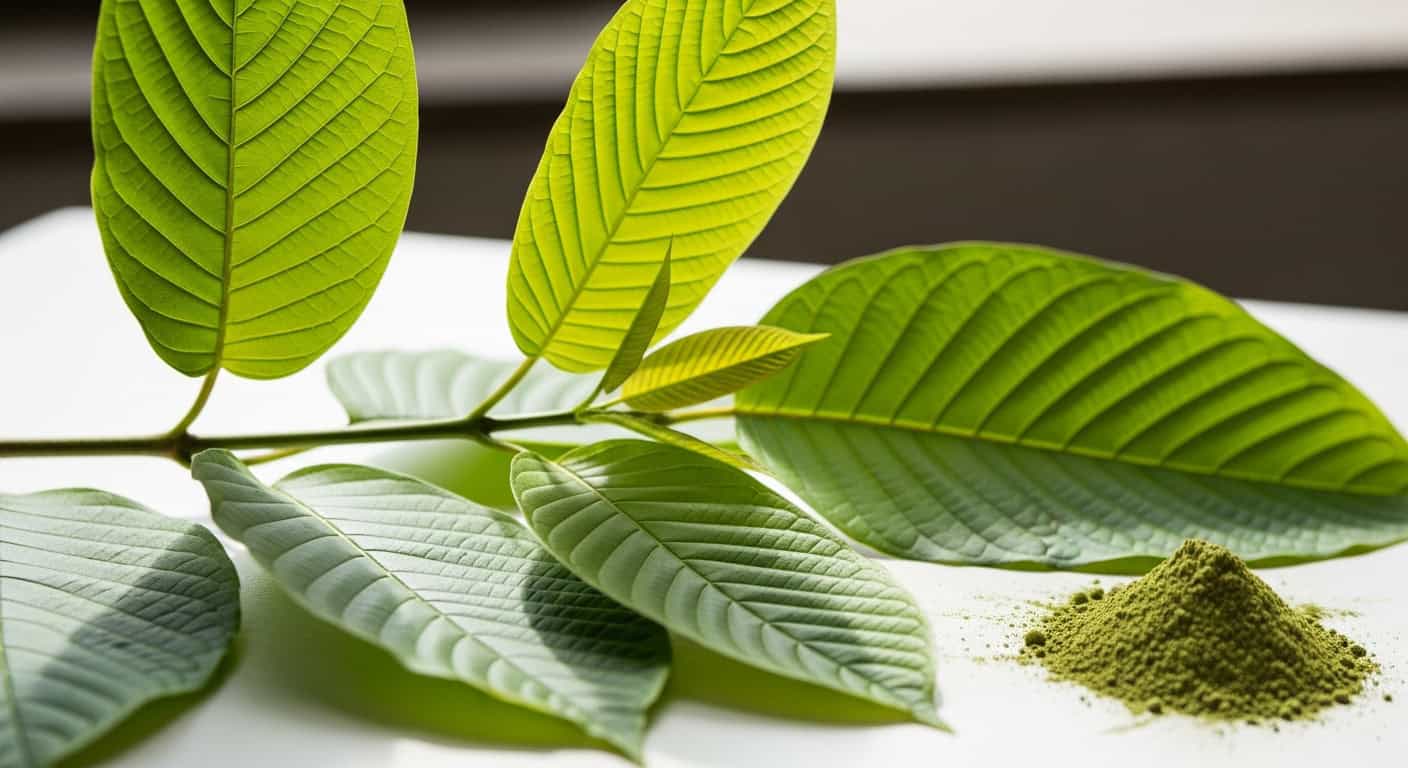
Understanding the basic nature of this plant means starting with its botanical origins. Mitragyna speciosa grows best in humid, tropical environments with plenty of rainfall. The trees can grow quite tall in the wild, sometimes reaching heights of over 80 feet, though cultivated plants are often kept smaller for easier harvesting. The leaves themselves are dark green and glossy, growing quite large compared to many other plants in the coffee family, which gives the tree a distinctive and lush appearance.

The chemistry of this plant is what makes it unique among the many plants people have used throughout history. Researchers have identified over 40 different compounds in the leaves, though mitragynine typically makes up the largest proportion of the active alkaloids present. The second most prominent compound, 7-hydroxymitragynine, is present in smaller amounts but is considered particularly significant due to its potency. These alkaloids are what researchers refer to when they study the plant’s properties in laboratory settings.
The interaction between these compounds and the body’s systems is a topic that has drawn scientific attention over the years. Specifically, these alkaloids bind to certain receptors in the brain, which are the same receptors that some other substances interact with. This connection has made the plant a subject of interest for researchers studying how different substances affect the body. The science behind these interactions is complex, but it helps explain why people report different effects at different doses.
People who use this plant often describe experiencing a range of effects that can vary based on several factors. The amount consumed plays a major role, with smaller servings tending to produce more energizing effects while larger amounts may produce different results. Individual body chemistry also makes a significant difference, as people can respond quite differently to the same amount. The specific product and its source matter too, since the concentration of active compounds can vary between different preparations and suppliers.
The stimulating effects that many people report include increased alertness, better focus, and enhanced productivity. These effects are often compared to what people experience from caffeine, though the quality of the alertness can feel different to those who have tried both. Some users describe feeling more sociable and talkative, while others appreciate the ability to power through tasks that would otherwise feel tedious or exhausting. These effects typically last for several hours before gradually fading away.
At higher amounts, the effects people experience tend to shift toward more calming and relaxing qualities. Users often describe feeling at ease and comfortable, with some people reporting that they simply want to rest quietly rather than stay active. This shift in effects based on amount is one of the distinctive characteristics of this plant and explains why people who use it regularly often adjust their servings based on what they want to achieve at any particular time.
The quality of the plant material matters enormously when it comes to the effects people experience. Factors like the age of the leaves at harvest, the soil conditions where the plant grew, and how the leaves were processed and stored all affect the final product. Premium suppliers pay close attention to these details because they understand that even small variations can change what users experience. This attention to quality is something that experienced users often look for when choosing where to purchase their supplies.
Different strains and varieties of the plant have developed over time, each with slightly different characteristics. These variations come from differences in growing conditions, harvesting methods, and the specific genetic varieties of the plants themselves. Some varieties are known for more energizing effects, while others are associated with more sedating qualities. Users who explore different types often develop preferences for certain varieties based on their individual experiences and what works best for their needs.
Growing conditions play a crucial role in determining the quality of the leaves. The climate in Southeast Asia, with its consistent warmth and abundant rainfall, provides ideal conditions for these trees to flourish. Plants grown in their native regions tend to develop the full range of alkaloids that give the plant its distinctive properties. Some cultivation operations have been established in other tropical regions, though the resulting products often vary in their composition compared to plants grown in traditional areas.
The harvesting process also affects the final product. Traditional methods involved picking individual leaves from trees growing in the wild, which required significant labor and knowledge of the plants. Modern cultivation operations often grow trees specifically for harvest, which allows for better consistency in the product. The timing of harvest can also influence the alkaloid content, with some producers believing that leaves picked at certain times of day or certain times of year produce superior results.
Processing methods transform fresh leaves into the various products available to consumers today. After harvesting, the leaves must be dried properly to preserve their active compounds and prevent mold or bacterial growth. Some producers dry the leaves in direct sunlight, while others use indoor drying methods to have more control over the process. The dried leaves are then ground into a fine powder, which can be sold as-is or further processed into capsules, extracts, or other formulations.
The powder form remains the most traditional and widely available way people use this plant. The fine texture makes it easy to measure and mix with various liquids. Some people prefer to simply swallow the powder with water or juice, while others incorporate it into smoothies or other beverages. The versatility of the powder form contributes to its popularity among users who appreciate having control over exactly how much they consume.
Capsules offer a convenient alternative for people who prefer not to deal with the taste of the powder. The encapsulation process involves filling small gelatin or vegetarian capsules with measured amounts of the powdered plant material. This method makes it easy to take consistent amounts without needing to measure each serving. Many users appreciate the convenience factor, especially when they need to use the plant in public settings or while traveling.
Extracts represent a more concentrated form of the plant’s active compounds. The extraction process involves using solvents to pull the alkaloids from the plant material, then removing the solvent to leave behind a more potent product. Extracts are typically used in smaller amounts than plain powder to achieve similar effects. Some users prefer extracts for their potency and the reduced amount of material they need to consume, while others find the plain powder works better for their needs.
Understanding how to store this plant properly helps maintain its freshness and potency over time. Like many natural products, the active compounds can degrade when exposed to heat, light, or moisture. Keeping the plant material in a cool, dark place in an airtight container helps preserve its quality. Many suppliers package their products in resealable bags or containers specifically designed to protect the material from environmental factors that could reduce its effectiveness.
The community of people who use this plant has grown significantly over the years, creating a shared culture around its use. Online forums and social media groups provide spaces for users to share their experiences, exchange tips, and learn from each other. New users often find these communities helpful for getting practical advice about products, dosages, and methods of use. The sense of community that has developed around this plant reflects its ability to bring people together around shared interests.
Experienced users frequently emphasize the importance of starting slowly when trying this plant for the first time. The effects can vary considerably between individuals, and what works well for one person might be too much or too little for another. Taking time to understand how your body responds before adjusting your routine helps ensure a positive experience. This approach to use reflects the broader philosophy of mindfulness that many users embrace.
Quality sourcing represents a priority for many people who use this plant regularly. Establishing relationships with suppliers who prioritize quality control helps ensure that users get products that meet their expectations. This means looking for suppliers who test their products, use proper processing methods, and are transparent about where their material comes from. Taking time to find reliable sources often pays off in better experiences overall.
The variety of ways people incorporate this plant into their routines reflects its versatility and the different needs of its users. Some people use it to help them power through demanding workdays, while others use it during physical activities or exercise. Some reserve it for evening relaxation after their responsibilities for the day are complete. The flexibility in how the plant can be used makes it suitable for many different lifestyles and preferences.
Comparing this plant to others in the botanical world helps provide context for understanding its unique properties. Like coffee, it comes from a tropical plant and has stimulating effects at lower amounts. Like certain traditional herbs, it has a long history of use in specific cultural contexts. Like many plants used around the world, it contains compounds that interact with human physiology in ways that people have found beneficial. This context helps explain why plants like this have been valued by different cultures throughout human history.
The cultural significance of this plant in its native regions runs deeper than many people realize. In countries like Thailand and Malaysia, the plant has been woven into the fabric of daily life for generations. Workers in various professions have relied on it to help them through challenging conditions. Healers have used it in traditional practices. The plant’s role in society reflects a relationship between humans and botanical resources that extends back thousands of years in these regions.
Modern interest in this plant has grown alongside broader trends toward exploring natural alternatives and traditional remedies. As more people seek to understand the origins and properties of various botanicals, interest in plants like this one has increased accordingly. This renewed attention brings both opportunities for learning more about the plant and challenges in ensuring that information available to the public is accurate and helpful.

The future of how this plant is used and understood will likely continue to evolve as more research and education becomes available. Understanding the plant’s history, properties, and traditional uses provides a foundation for anyone interested in learning more. Whether you are simply curious about botanical diversity or actively exploring different options for your own purposes, having accurate information helps you make informed decisions.
People who have explored the world of ethnobotany often find that plants like this one offer fascinating insights into human relationships with the natural world. Throughout history, people have discovered and utilized the properties of various plants for countless purposes. This plant represents one example among many of how humans have identified and used botanical resources in creative and practical ways.
The sensory experience of using this plant varies depending on the form and method of preparation. The powder has a distinctive earthy taste that some people describe as somewhat bitter or similar to green tea. When mixed with liquids, the texture can take some getting used to for new users. The effects, however, are what most people focus on, and finding the right product and method that works for your preferences makes the experience much more enjoyable.
Building knowledge about this plant is an ongoing process that benefits from curiosity and open-mindedness. Reading about the experiences of others, learning about the plant’s origins and traditional uses, and understanding the basics of its chemistry all contribute to a more complete picture. This knowledge helps users make better decisions and appreciate the complexity of this remarkable botanical resource.
The practical aspects of using this plant deserve attention alongside the more theoretical knowledge about its properties. Having the right supplies on hand, understanding proper storage methods, and knowing how to measure amounts accurately all contribute to positive experiences. These practical considerations often make the difference between frustrating trial and error and smooth, effective use.
Finding balance in how you approach this plant, like with many things in life, leads to the most satisfying outcomes. Taking time to understand what you want to achieve, experimenting carefully to find what works best for you, and maintaining consistency in your approach all contribute to a healthy relationship with this botanical resource. Users who approach the plant thoughtfully tend to report the most positive experiences over the long term.
The diversity of the user community reflects the versatility of the plant itself. People from all walks of life have discovered and incorporated this plant into their routines for various purposes. Students, professionals, athletes, artists, and people from many other backgrounds have found value in what this plant has to offer. This diversity enriches the community and provides a wealth of different perspectives and experiences to learn from.
Understanding terminology related to this plant helps when reading about it or discussing it with others. Terms like “strains,” “veins,” and “potency” all refer to specific aspects of the plant and its products. Learning these terms takes time, but it makes understanding information about the plant much easier. The terminology reflects both the botanical characteristics of the plant and the practical aspects of how people use it.
The science behind this plant continues to develop as researchers explore its properties more thoroughly. While traditional knowledge provides a foundation of understanding, modern scientific methods offer new insights into how the plant’s compounds interact with the body. This scientific attention validates traditional uses while also potentially revealing new aspects of the plant that were not previously understood.
Comparing experiences with others can be helpful when learning about this plant, though individual variation means that your experience might differ from what others describe. Using language that is specific enough to be meaningful but flexible enough to account for individual differences helps create productive conversations about the plant. This approach respects both the shared nature of the community and the unique qualities of each person’s experience.
The global reach of this plant’s use today reflects how information and products can spread quickly in our connected world. What was once primarily known in Southeast Asia is now used by people in countries around the world. This globalization brings both opportunities for broader understanding and challenges in ensuring that knowledge is accurately transmitted across cultural and linguistic boundaries.
Building a personal relationship with this plant takes time and patience. There is no single right way to use it, and what works best for you might be quite different from what works for others. Taking the time to explore different products, methods, and amounts allows you to develop your own understanding of how the plant affects you personally. This personalized approach leads to the most satisfying long-term experiences.
The practical wisdom shared within the community often proves invaluable for newcomers. Tips about which products to try, how to manage the taste, and when to use different amounts accumulate over time through the shared experiences of many users. Paying attention to what experienced users share helps newcomers avoid common pitfalls and discover what works best for their needs more quickly.
Understanding the plant’s properties helps set realistic expectations about what it can and cannot do. Like any botanical resource, it has specific characteristics that make it more suitable for certain purposes than others. Knowing these characteristics helps you decide whether this plant might be helpful for your particular situation and how to use it effectively if you decide to try it.
The future holds many possibilities for how this plant will be understood and used. Continued research, growing community knowledge, and evolving cultural attitudes all influence what role this plant will play in people’s lives going forward. Staying informed and engaged with the broader conversation helps ensure that you have the most current and accurate information available.
Building habits around the use of this plant, when approached thoughtfully, can become a positive part of daily life for many people. Establishing routines that work for your schedule and preferences helps make the experience consistent and reliable. Whether you use it daily or occasionally, having an approach that fits your lifestyle makes the practice more sustainable over time.
The educational aspect of understanding this plant extends beyond simply knowing how to use it. Learning about its history, cultural significance, and scientific properties creates a richer appreciation for this botanical resource. This depth of understanding enhances the experience of using the plant and connects individual practice to a much longer history of human-botanical relationships.
Practical preparation makes using this plant more convenient and enjoyable. Having appropriate supplies, measuring tools, and storage containers ready to go reduces friction in the process. Taking time to set up your space and materials creates a more pleasant experience that you can look forward to repeating over time.
The balance between exploration and consistency reflects a healthy approach to using this plant. Trying new products and methods keeps the experience fresh and interesting, while maintaining consistency with what works well provides reliable results. This balance creates a sustainable practice that can provide ongoing value over months and years of use.
Community involvement offers opportunities to learn from others and share your own experiences. Participating in conversations, asking questions, and contributing your own insights all enrich the collective knowledge of the community. This collaborative spirit helps everyone involved gain a better understanding of this fascinating plant.
Understanding that individual experiences vary widely helps create tolerance and respect within the community. What works wonderfully for one person might not work well for another, and both experiences are valid. This acceptance of diversity creates a welcoming environment for people at all stages of their journey with this plant.
The continuing evolution of how this plant is understood and used reflects broader trends in society’s relationship with botanical resources. As interest in natural products and traditional remedies grows, plants like this one become more prominent in public consciousness. This increased attention brings both scrutiny and opportunity, shaping how the plant will be perceived and used in the future.
Developing expertise about this plant comes naturally through regular use and engagement with the community. Over time, you learn to recognize quality, understand what works best for you, and navigate the various options available. This expertise develops gradually but steadily, building confidence in your ability to make good decisions about the plant.
The practical benefits that people report from using this plant often relate to supporting daily activities and routines. Whether helping with physical tasks, maintaining focus during demanding work, or simply providing a sense of comfort and relaxation, the plant serves various purposes for different people. These practical benefits explain much of the plant’s enduring popularity across cultures and generations.
Frequently Asked Questions
What Is Kratom?
Kratom refers to the products made from the dried leaves of the Mitragyna speciosa tree, which is native to Southeast Asia. The leaves contain active compounds called alkaloids, primarily mitragynine and 7-hydroxymitragynine, which interact with receptors in the brain to produce various effects. People have used these leaves for centuries in traditional practices across Thailand, Indonesia, Malaysia, and other countries in the region. Today, the plant is available in various forms including powder, capsules, and extracts, and is used by people around the world for different purposes.
What Are the Effects of Kratom?
The effects of this plant vary based on the amount consumed and individual factors. At lower amounts, people often report stimulating effects including increased alertness, enhanced focus, and greater energy. At higher amounts, the effects tend to shift toward more calming and relaxing qualities. The specific effects you experience depend on factors like your body chemistry, the quality of the product, and how much you consume. Different strains and varieties may also produce slightly different effects, which is why many users explore various options to find what works best for them.
What Is Kratom Traditionally Used For?
Traditional use of this plant in Southeast Asia primarily involved workers using the leaves to help them maintain energy and productivity during long hours of physically demanding labor. Farmers, fishermen, and others would chew fresh leaves or brew them into teas to combat fatigue. Beyond practical work applications, healers in traditional medicine systems would use preparations made from the leaves to address various concerns in their communities. These traditional uses laid the foundation for the modern understanding and use of the plant.
Does Kratom Show Up as an Opioid on Drug Tests?
Standard drug tests typically screen for specific substances and may not detect the compounds found in this plant. The active compounds in Mitragyna speciosa are distinct from the substances commonly included in standard screening panels. However, specialized tests can identify the presence of these specific compounds if they are looking for them. Anyone subject to drug testing should be aware of the policies of their organization and make informed decisions accordingly.
Can Kratom Cause a False Positive on a Drug Test?
While standard drug tests are designed to detect specific substances, there is always some possibility of cross-reactivity with other compounds. Most conventional tests are calibrated to identify particular metabolites and do not typically cross-react with the alkaloids found in this plant. However, the reliability of any test depends on many factors including the specific testing method used and the cutoff thresholds established by the testing laboratory. If you have concerns about drug testing, discussing them with the appropriate parties is the best approach.
What Should Beginners Know About Trying Kratom?
Anyone new to this plant should start with a small amount and gradually adjust based on how their body responds. Individual responses vary considerably, so taking time to understand your personal sensitivity helps ensure a positive experience. Choosing quality products from reputable sources makes a significant difference, as the concentration of active compounds can vary between suppliers. Many experienced users recommend keeping a simple log of what you try and how it affects you, which helps you identify what works best for your needs over time.