What is White Kratom? - Kratom Earth

White kratom is the variety made from young Mitragyna speciosa leaves, dried indoors away from light to preserve an energizing, focus-oriented profile. It is the most stimulating of the three main vein colours and is most often used in the morning. This guide covers how white kratom is harvested and processed, the popular white strains, and how it differs from green and red.

Kratom comes from a tropical tree native to Southeast Asia, and it has been used for centuries in traditional practices. The plant’s leaves contain compounds that interact with the body in unique ways, which is why different varieties have gained popularity. White Kratom, in particular, stands out for its distinct properties and is often sought after by those exploring botanical options.

In this article, we’ll break down what White Kratom is, how it fits into the broader category of strains, and what makes it different from other varieties. By the end, you’ll have a solid understanding of this botanical and how it might fit into your wellness routine.

The Origins of Kratom

Kratom’s story begins in the lush rainforests of Southeast Asia. The tree, scientifically known as Mitragyna speciosa, thrives in countries like Thailand, Indonesia, Malaysia, and Papua New Guinea. For generations, local communities have harvested the leaves and used them in various ways.

The leaves of the Mitragyna speciosa tree are harvested at different stages of maturity, which plays a significant role in determining the characteristics of the final product. When the leaves are young and newly emerged, they tend to produce different effects compared to mature leaves. This timing of harvest is what creates the distinction between White, Green, and Red vein varieties.

Traditionally, workers in these regions would chew the fresh leaves or brew them into teas to help sustain energy during long hours of labor. The practice was passed down through families and became deeply embedded in local culture. It has been used for social purposes, work-related tasks, and relaxation depending on the circumstances and the type of leaf chosen.

Understanding Kratom Strains

When people talk about “strains,” they refer to the different varieties of Kratom that have been developed over time. Each strain has its own unique profile, influenced by factors like the age of the leaves, the region where they were grown, and the processing methods used after harvesting.

The three primary vein colors form the foundation of all Kratom strains: White, Green, and Red. These colors correspond to the color of the stem and vein running through the leaf. This seemingly simple difference has a major impact on the overall character of the product.

Green vein Kratom occupies a middle ground between the other two varieties. It is often described as providing a balanced experience that combines elements of both White and Red types. Many people appreciate Green vein varieties because they offer versatility and can be used at different times of day.

Red vein Kratom has been harvested from mature leaves and tends to be associated with relaxation and calm. It has become popular among those looking for a different kind of experience compared to the more energizing varieties. Red strains are often used during evening hours or when winding down after a busy day.

White vein Kratom, which comes from younger leaves, has developed its own following. It is frequently chosen by people who want to start their day with a boost or maintain focus throughout demanding tasks. The characteristics of White Kratom have made it a staple in the botanical community.

What Makes White Kratom Unique

White Kratom gets its name from the white-tinged stems and veins found on the younger leaves of the Mitragyna speciosa tree. These young leaves are harvested before they fully mature, which gives White Kratom its distinctive profile.

The younger leaves contain different concentrations of the active compounds found in Kratom. Mitragynine is one of the primary alkaloids present in all varieties, but the levels vary depending on the maturity of the leaf at harvest time. This difference in alkaloid composition contributes to the unique effects associated with each type.

Users often describe White Kratom as offering clear, focused energy. It is commonly used during morning hours or before tasks that require mental clarity. Many people appreciate that it provides support without the heaviness associated with some other varieties.

The stimulating properties of White Kratom have made it a popular choice for those with active lifestyles. It has been used by students, professionals, and anyone looking to power through a busy schedule. The clean, uplifting character is what draws many people to this particular variety.

Popular White Kratom Strains

Popular white kratom strains include White Maeng Da, White Borneo, White Thai, and White Sumatra. Each strain may have subtle differences in aroma, texture, and minor characteristics, but they all share the foundational properties of White vein Kratom.

White Maeng Da is perhaps the most famous variety in this category. The name “Maeng Da” translates to “pimp grade” in Thai, which originally indicated a superior quality product. White Maeng Da has become synonymous with potent, energizing effects and is often the first choice for those new to White Kratom.

Thai White Kratom originates from Thailand and is known for its robust character. It has been a traditional variety in the region and continues to be popular among enthusiasts who appreciate its distinctive profile.

Bali White Kratom comes from the Indonesian island of Bali, an area known for producing quality Kratom products. This variety offers a smoother experience compared to some of the more intense strains, making it accessible to beginners.

Indo White Kratom represents the offerings from Indonesia, another major source country. Indonesian White strains are widely available and have built a reputation for consistent quality.

Super White Kratom refers to leaves that have been harvested even earlier than standard White varieties. The term “super” indicates that the leaves were picked when extremely young, potentially leading to a more concentrated profile. This type is sought after by experienced users looking for something particularly potent.

How White Kratom Is Processed

White kratom is processed by drying young leaves indoors, away from light, to preserve its energizing alkaloid profile. Understanding this process can help you appreciate the journey from tree to your hands.

Fresh leaves are typically sorted by vein color to ensure consistency. Workers carefully separate the White vein leaves from other varieties before proceeding. This sorting step is crucial for maintaining the purity of each strain.

Once sorted, the leaves may be dried using various methods. Some producers use indoor drying with controlled temperature and humidity, while others rely on natural sunlight. The drying process can last anywhere from a few hours to several days, depending on the desired outcome.

Some White Kratom products undergo additional processing to enhance certain qualities. This might include fermenting the leaves or blending different batches to create unique profiles. These techniques have been developed over time to offer consumers more options.

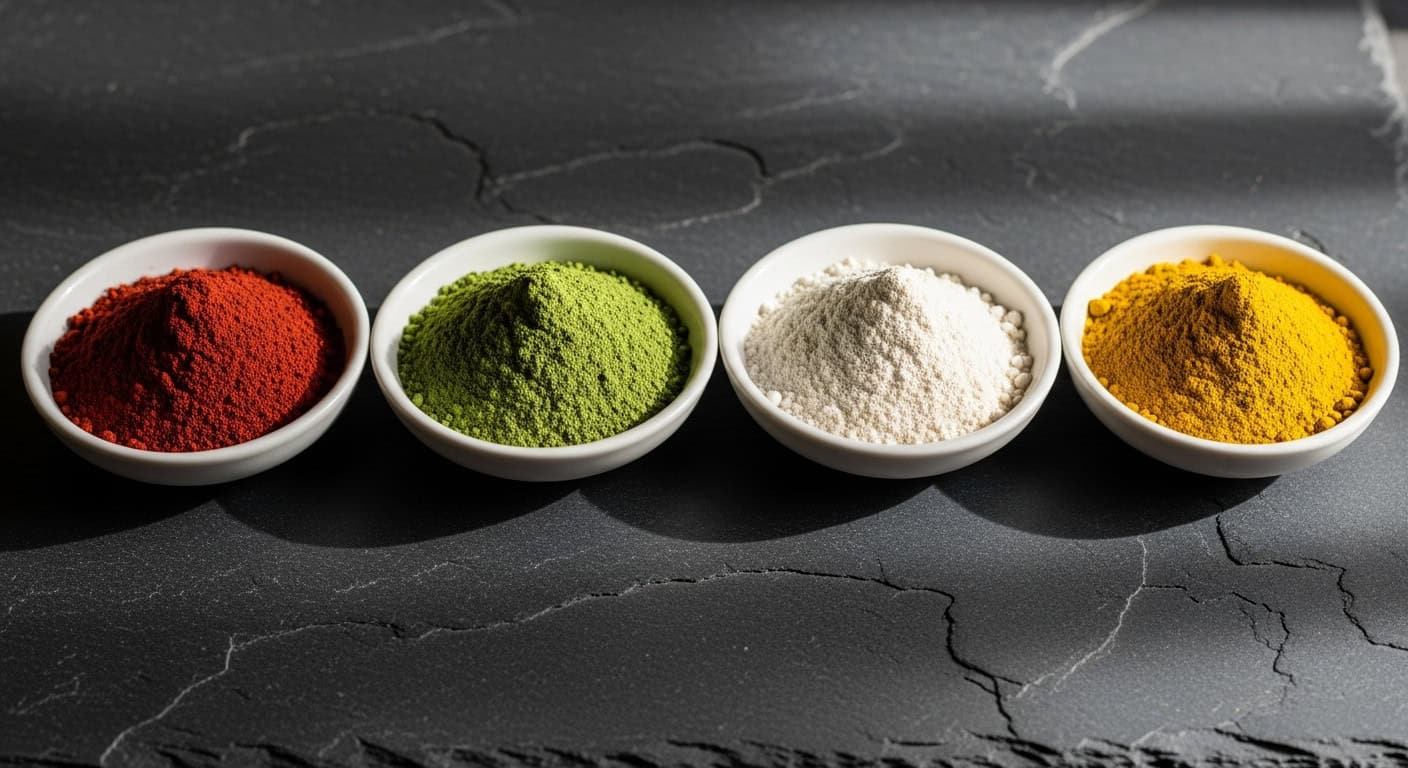
The dried leaves are then ground into a fine powder, which is the most common form for consumption. This powder can be encapsulated for easy swallowing, sold in bulk bags, or used to create other product formats.

Common Forms and Consumption Methods

White Kratom is available in several different forms to suit various preferences. Knowing your options can help you choose the format that works best for your lifestyle.

Powder is the most traditional and versatile form. The finely ground material can be mixed with beverages, added to food, or taken directly. Many experienced users prefer powder because it offers flexibility in dosing and absorbs quickly.

Kratom capsules contain pre-measured amounts of powder in convenient swallowable shells. Capsule form is popular among those who want a tasteless, mess-free option. It is also easier to take on the go without worrying about preparation.

Some producers offer enhanced or extract versions of White Kratom. These products are made by concentrating the active compounds, resulting in a more potent form. Enhanced products typically require smaller doses due to their increased strength.

Toss and wash is a common method for taking powder. This involves placing the desired amount of powder directly in your mouth and washing it down with water or another beverage. While it takes some getting used to, many people find this to be an efficient way to consume Kratom.

Mixing powder into drinks is another popular approach. Some people add it to juice, smoothies, or tea. The key is finding a beverage that masks the natural taste while still allowing you to consume the full dose.

Choosing Quality White Kratom

Quality white kratom comes from a lab-tested, transparent vendor and shows a pale, consistent colour and a fresh aroma. Whether you’re buying from a local shop or an online vendor, these factors can help you make an informed decision.

Source matters when it comes to botanical products. Look for vendors who clearly state where their Kratom originates. Reputable suppliers often have relationships with farmers in Southeast Asia and can trace their products back to specific regions or farms.

Lab testing has become an important quality indicator. Trustworthy vendors often provide third-party test results that verify the purity and potency of their products. These tests check for contaminants like heavy metals, pesticides, and microbial contamination.

Freshness plays a significant role in effectiveness. Kratom that has been sitting on shelves for extended periods may lose potency over time. Look for products with recent harvest dates or batch numbers that indicate they are relatively fresh.

Reviews and community feedback can provide valuable insights into product quality. Many experienced users share their experiences online, discussing the characteristics of different vendors and strains. This collective knowledge can guide your purchasing decisions.

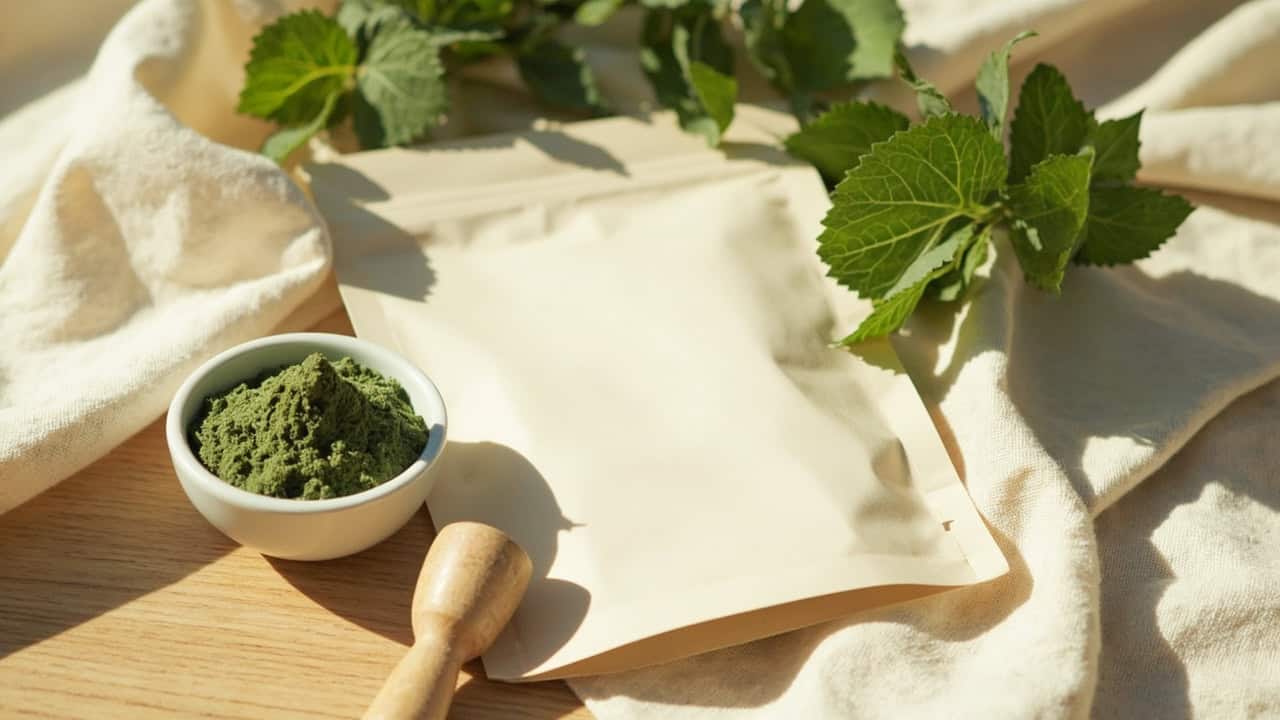
Packaging should be clean, professional, and properly sealed. Good packaging helps protect the product from moisture and light, which can degrade the active compounds over time.

close-up of fresh green Kratom leaves with visible white veins glistening with morning dew in soft natural lighting

Understanding Kratom Terminology

Key kratom terms include strain, vein colour, and potency, each describing a specific aspect of the product. Having this vocabulary in mind can help you communicate with others and make more informed choices.

The term “strain” refers to a specific variety with distinct characteristics. Each strain may have a unique combination of effects, aroma, and potency influenced by its origin and processing.

“Vein color” describes the color of the stem and central vein running through the leaf. This is the primary way Kratom is categorized, with White, Green, and Red being the main classifications.

“Maeng Da” is one of the most recognized strain names in the Kratom community. It has become somewhat of a generic term that many vendors use to denote potency, though true Maeng Da should come from specific cultivation practices.

“Potent” describes Kratom that delivers strong effects relative to the dose consumed. Potency can vary based on the quality of leaves, growing conditions, and processing methods.

The “type of Kratom” you encounter is determined by the vein color, origin, and any additional processing or blending that may have been done. Understanding these categories helps you find products that match your preferences.

How to Get Started with White Kratom

New white kratom users should start with a small dose of half a gram to one gram and adjust based on how they respond. Taking time to understand how your body responds can help you find the right dose and frequency.

Beginning with a small amount is always recommended. Many experienced users suggest starting with half a gram to one gram of powder when first trying a new strain. This allows you to assess your sensitivity and how your body reacts.

Keeping a simple journal can be helpful when exploring Kratom. Note the time you took it, the amount, the strain, and how you felt over the next few hours. This information can help you refine your approach over time.

Staying hydrated is important when using botanical supplements. Kratom can have a drying effect, so drinking plenty of water throughout the day supports overall wellness and comfort.

Taking breaks occasionally is a practice many long-term users recommend. Some people choose to use Kratom on an as-needed basis rather than daily to help maintain its effectiveness and prevent building tolerance.

Your individual chemistry plays a role in how you respond to Kratom. Factors like body weight, metabolism, and whether you’ve eaten can all influence the effects you experience. Paying attention to these variables helps you optimize your experience.

Storing White Kratom Properly

White kratom stores best in an airtight container in a cool, dark place away from heat, light, and moisture. Taking a few simple precautions can extend the shelf life of your product significantly.

A cool, dark place away from direct sunlight is ideal for storage. Heat and light can break down the active compounds in Kratom, reducing its effectiveness. A pantry or cabinet typically provides suitable conditions.

Airtight containers prevent moisture from entering the product. Glass jars with tight-sealing lids or food-grade plastic containers both work well for this purpose. Some people add silica gel packets to absorb any residual moisture.

Avoiding the refrigerator is generally recommended unless specifically instructed by the manufacturer. The humidity inside refrigerators can introduce moisture, which may cause clumping or degradation over time.

Keeping products sealed when not in use prevents oxidation from affecting the quality. Every time you open a container, air enters and begins the oxidation process, so minimizing exposure helps preserve freshness.

Purchasing quantities you’ll use within a few months is a practical approach. While properly stored Kratom can last for a year or more, fresher product generally provides the best experience.

White Kratom vs Other Varieties

White kratom is the most energizing of the three vein colours, green is balanced, and red is the most relaxing. Each variety has its own strengths and ideal use cases.

White Kratom is often chosen for daytime use when energy and focus are priorities. It tends to be the most stimulating of the three main types, making it suitable for mornings or busy afternoons.

Green vein Kratom offers a middle path, combining gentle stimulation with a sense of calm. Many people find Green varieties to be versatile enough for use throughout the day without being too energizing or too sedating.

Red vein Kratom leans toward the relaxing end of the spectrum. It has become popular for evening use or situations where relaxation is the goal. The mellow character of Red strains contrasts sharply with the uplifting nature of White varieties.

Trying all three types can help you understand how they differ personally. Your preferences may surprise you, as not everyone responds to each variety in the same way.

Some people rotate between different vein colors depending on the day or their current needs. This approach allows them to match the characteristics of the Kratom to their activities and schedule.

Building Your Kratom Knowledge

Building kratom knowledge comes from reliable sources, community discussion, and tracking your own responses over time. Fortunately, the community is full of people willing to share their knowledge and help newcomers learn.

Reading reliable sources helps build a foundation of accurate information. Look for educational content written by people with genuine experience who focus on factual, practical knowledge rather than hype or speculation.

Asking questions in community forums or discussion groups can provide insights you won’t find in articles. Experienced users often share tips about specific vendors, strains, and techniques that come from years of experimentation.

Keeping an open mind while remaining skeptical of extraordinary claims serves you well in this space. Not every product or vendor delivers on its promises, so developing critical thinking skills helps you navigate the options wisely.

Sharing your own experiences contributes to the collective knowledge of the community. What works for you might help others on their journey, and learning from both successes and disappointments enriches everyone’s understanding.

Practical Tips for Everyday Use

Everyday white kratom use works best with a consistent schedule, a measured dose, and light food to ease any stomach sensitivity. These practical suggestions can help you use it effectively and enjoyably.

Establishing a consistent schedule helps you track your usage patterns and effects. Many people find that taking Kratom at the same times each day provides more predictable results than sporadic use.

Pairing Kratom with a light snack can help manage any digestive sensitivity some people experience. Avoiding heavy, fatty meals around the time of use can also help your body process it more efficiently.

Having realistic expectations enhances your experience. Kratom affects everyone differently, and finding what works for you may require some adjustment time. Patience pays off in the long run.

Creating a dedicated space for your Kratom routine adds intention to the practice. Whether it’s a quiet corner for morning focus or an afternoon break spot, having a consistent setting can enhance the ritual.

Tracking your inventory prevents running out unexpectedly. Knowing when to reorder and having backup supplies ensures you can maintain your routine without interruption.

serene botanical setting showing Kratom leaves arranged artfully alongside a ceramic cup of tea with soft natural window lighting

Finding Your Preferred Strain

Finding your preferred white strain means sampling a few options, such as White Maeng Da and White Borneo, and noting how each affects you. Everyone’s preferences differ, so exploring multiple options helps you find what resonates with you.

Starting with established strains like White Maeng Da provides a reliable baseline. Once you understand how you respond to this classic variety, branching out to other options becomes easier.

Paying attention to subtle differences between strains develops your palate, so to speak. You might find that you prefer the characteristics of Thai White over Bali White, or vice versa. These personal discoveries make the experience more enjoyable.

Asking vendors for recommendations based on your preferences can streamline the selection process. Knowledgeable staff often have personal experience with their products and can guide you toward options that match what you’re looking for.

Sample packs offer an economical way to try multiple strains before committing to larger quantities. Many vendors offer variety packs that let you compare different options without significant investment.

Being willing to try new strains as they become available keeps your experience fresh. The Kratom world continues to evolve, with new varieties and products regularly entering the market.

How White Kratom Acts at Opioid Receptors

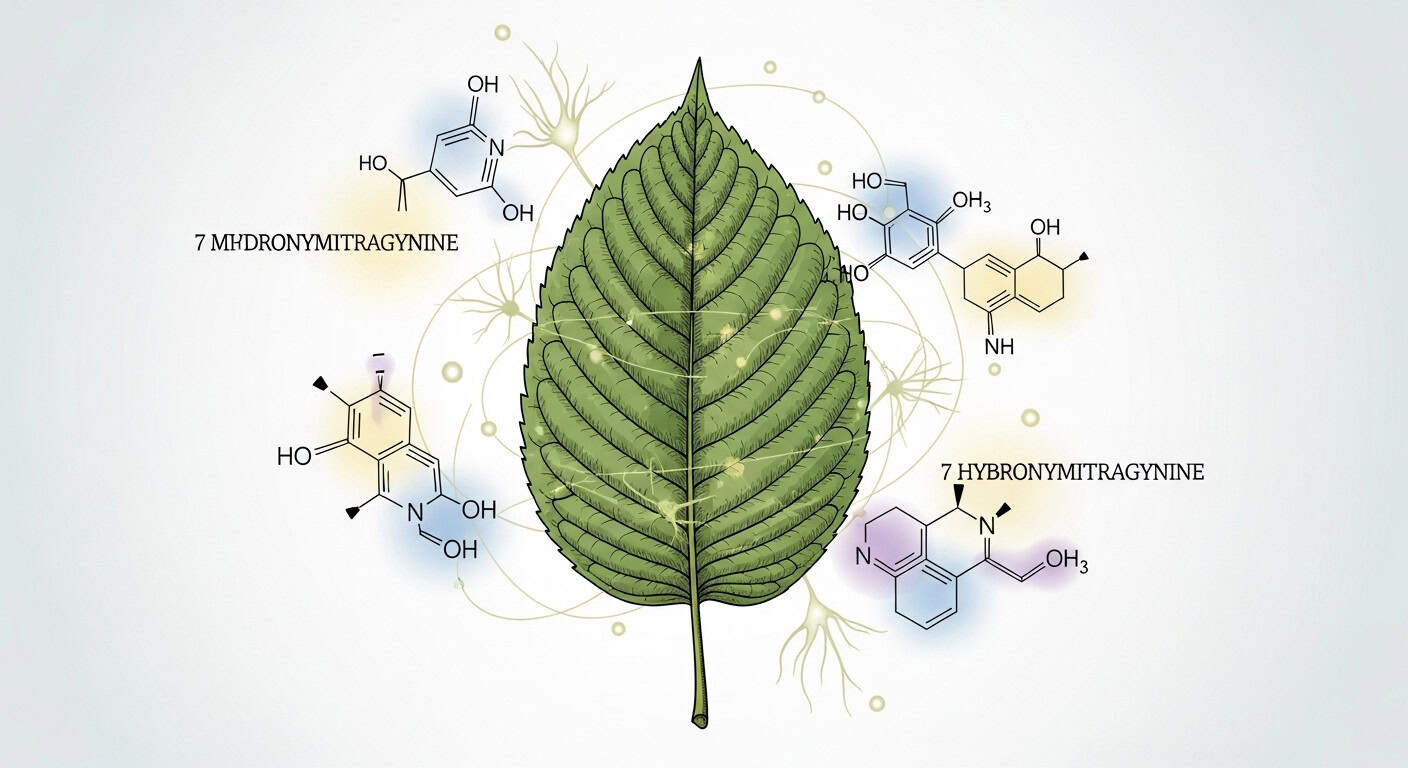
The stimulating effects most kratom users describe with white vein varieties come from how mitragynine engages with opioid receptors in the brain. At smaller doses, the partial agonist activity at these receptors produces alertness, focus, and a mood lift rather than the heavy sedation associated with full opioids. That is why people take kratom of the white vein type early in the day rather than at night.

The effects of white strains feel cleaner when you start with a smaller serving and only adjust upward if needed. Kratom users who treat the leaf as a daily caffeine substitute and dose heavily for months sometimes report mild withdrawal symptoms when they stop, which is consistent with the receptor pharmacology. Casual or intermittent use almost never produces this pattern. Borneo and Maeng Da varieties are popular white-vein starting points because farmers there have refined their drying methods to preserve the upbeat character of younger leaves.

Concerns about kratom addiction are real for the small group of people who use very high doses every day for extended periods, but they are not the experience of most occasional white-strain users. Building in regular days off, rotating between strains, and keeping the dose moderate are the simplest ways to enjoy the energizing qualities of white kratom while avoiding tolerance creep.

White Kratom and the 7-Hydroxymitragynine Discussion

The 7-hydroxymitragynine content of white kratom strains is meaningfully lower than the same compound’s level in red strains, which is part of why white feels lighter and more stimulating. The alkaloid balance shifts as the leaf matures on the tree, with younger leaves harvested for white processing carrying more mitragynine and less 7-OH proportionally. That subtle chemistry difference, set up by farmers in Indonesia and Malaysia at the harvest stage, is what gives white vein its characteristic profile.

For users concerned about tolerance over time, the lower 7-OH content of white strains is actually an advantage in some patterns of use. Tolerance builds more slowly with lower 7-OH exposure, which means a daily white-strain user can often maintain consistent effects for longer than a daily red-strain user at the same dose. Opioid withdrawal-like symptoms after stopping daily white-strain use, while still possible at very heavy long-term doses, are reported less commonly than after stopping equivalent red-strain use.

Practical White Kratom Patterns

The most sustainable white kratom pattern is a moderate morning dose, not the maximum that produces effects. Two to three grams of plain leaf is enough for most users to get the energy and focus lift they want without pushing tolerance unnecessarily. Higher doses produce diminishing returns and accelerate tolerance build-up rather than producing proportionally stronger effects.

Borneo white, Maeng Da white, and Thai white each have their own character within the broader white category. Borneo tends to be the smoothest, Maeng Da the most potent per gram, and Thai the most energizing. Rotating between two of these across the week, with at least one day off, keeps the experience consistent over months rather than fading quickly. Addiction in the formal clinical sense remains uncommon at moderate use levels, but treating tolerance management as a regular discipline rather than an afterthought is what keeps white kratom enjoyable over the long run.

How white kratom may interact with opioid receptors in the brain

White kratom strains interact with opioid receptors in the brain through the same mitragynine partial agonist activity as other vein colors, but the lower 7-hydroxymitragynine content shifts the experience toward stimulant rather than sedating effects. The interaction is real and measurable in pharmacology research, and it explains both the desirable energizing effects and the long-term tolerance picture. For people who use white kratom regularly, the lighter receptor load is part of why daily white-strain use tends to produce milder tolerance than daily red-strain use at equivalent doses.

White Kratom questions

What Does White Strain Kratom Feel Like?

White strain Kratom is generally associated with clear, energizing effects that many users describe as promoting focus and alertness. People often choose it for morning use or during tasks requiring mental stamina. The experience tends to be uplifting without the heaviness sometimes associated with other varieties.

What Does Kratom Do to the Body?

Kratom interacts with the body’s systems in complex ways due to the various compounds present in the leaves. The primary active constituent is mitragynine, which contributes to the characteristic effects people experience. Users often report feelings of energy, focus, or relaxation depending on the specific type and dose consumed.

Is White Kratom Better Than Green?

Neither type is objectively better, as they serve different purposes and appeal to different preferences. White Kratom tends toward energizing effects while Green Kratom offers more balanced characteristics. Your choice depends on what you’re looking for and when you plan to use it.

What’s the Most Powerful Form of Kratom?

Enhanced or extract products typically offer the most concentrated experience in terms of potency. Super White varieties, which come from very young leaves, also tend to be more potent than standard White strains. However, higher potency isn’t always preferable depending on your goals and tolerance level.

What Is Super White Kratom?

Super White Kratom comes from leaves harvested at an extremely early stage of growth, even younger than standard White vein leaves. This early harvest is thought to result in a more concentrated product. Many experienced users seek out Super varieties for their enhanced character.

Does White Kratom Give You Energy?

White Kratom is most commonly associated with energizing properties. Many users specifically choose it for daytime use when they want to maintain alertness and focus. The stimulating character distinguishes it from Red varieties, which tend toward relaxation.

Conclusion

White Kratom represents one of the three foundational categories of this botanical, offering distinct characteristics that set it apart from Green and Red varieties. Derived from the young leaves of the Mitragyna speciosa tree, White Kratom has developed a reputation for providing clear, focused energy that many people find valuable in their daily lives.

Understanding the differences between strains, forms, and quality indicators empowers you to make informed decisions about which products to try. Starting slowly, paying attention to how your body responds, and building knowledge over time all contribute to a positive experience.

Whether you’re curious about White Maeng Da or interested in exploring other White vein varieties, the journey of discovery is part of the appeal. The wide array of available strains means there’s likely a perfect match for your preferences, waiting to be found.

Take your time, experiment responsibly, and enjoy learning about this fascinating botanical.

Share the Post:

Related Posts

What is Kratom Used For? - Kratom Earth

What is Kratom Used For?

Kratom is a tropical evergreen tree native to Southeast Asia, belonging to the coffee family. Its leaves have been used for centuries in traditional practices throughout Indonesia, Thailand, and Malaysia. Discover the various uses and benefits of this plant.

Read More
What is Yellow Kratom? - Kratom Earth

What is Yellow Kratom?

Move beyond the standard red, green, and white strains. Learn what yellow kratom is, how it’s made, and why this unique botanical is gaining popularity.

Read More

Join Our Newsletter