
Blog
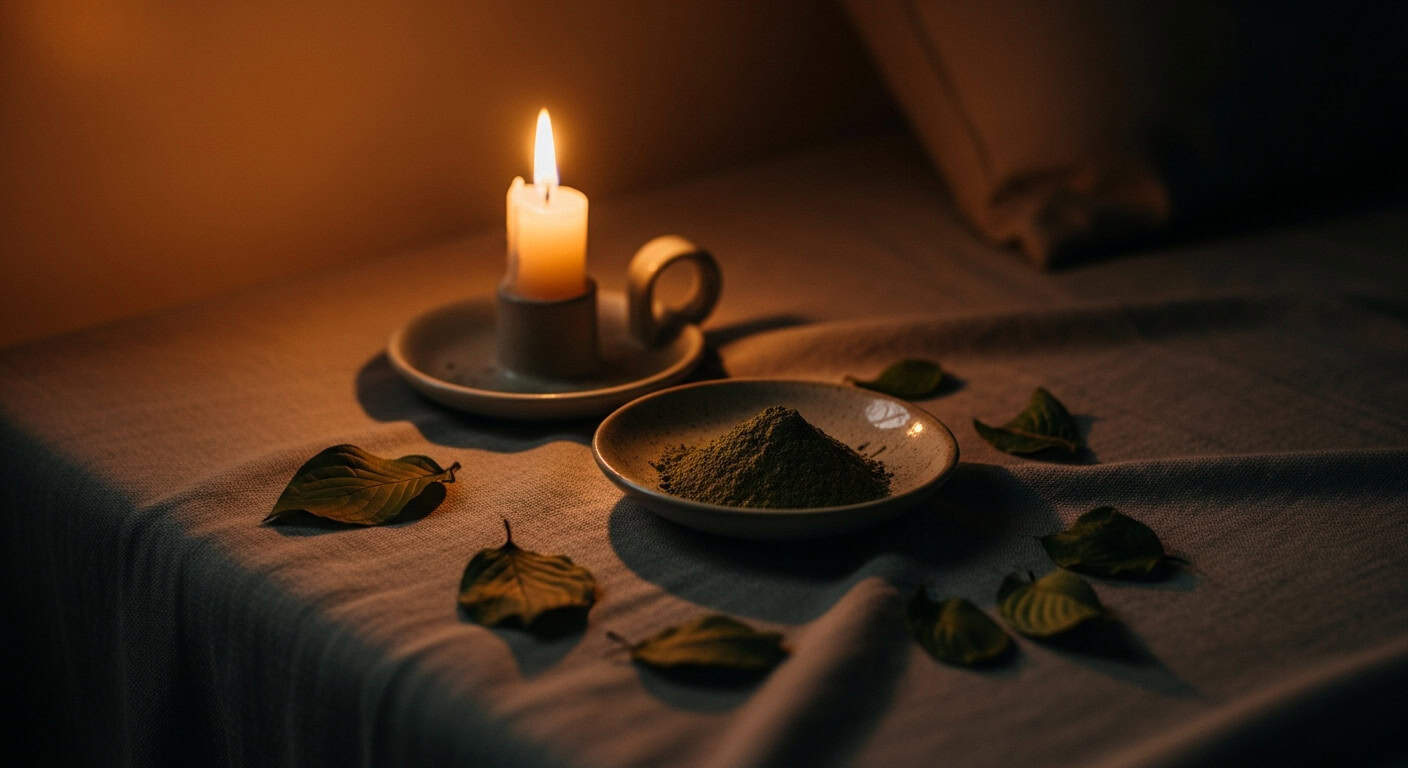
Kratom is used during intimacy mainly for its mood lift, mild relaxation, and steady energy, and most users report that lower doses of green or white strains support presence and stamina better than heavy doses do. The plant comes from Mitragyna speciosa, a tropical tree native to Southeast Asia, and its effect on sex is shaped more by dose and timing than by any single strain. Formal research is limited, but user surveys describe a consistent pattern worth understanding before you experiment.
Kratom use has expanded significantly beyond its traditional roots, with people around the world experimenting with different strains and approaches for various purposes. While research on kratom remains limited, the experiences shared within communities offer valuable insights into how this plant might play a role in intimate settings. Understanding the basics of how kratom interacts with your body can help you make more informed choices.
What Is Kratom and How Does It Work?
Kratom comes from the leaves of Mitragyna speciosa, a tree native to the rainforests of Southeast Asia. For generations, people in countries like Thailand, Indonesia, and Malaysia have chewed the leaves or brewed them into teas as part of daily life. The plant contains several active compounds, with mitragynine being the most abundant and well-studied.
These compounds interact with receptors throughout your body, particularly in the brain and nervous system. When you consume kratom, these naturally occurring alkaloids bind to specific sites, potentially influencing how you feel, think, and respond to various stimuli. This interaction is what gives kratom its reputation for producing different effects depending on the dose and individual physiology.
People report that kratom tends to produce stimulating effects at lower amounts and more sedating sensations at higher quantities. This dose-dependent nature means that the same plant can potentially offer different experiences based on how much you use and the method of consumption.
The Connection Between Kratom and Sexual Experience
Many kratom users have reported noticing changes in their intimate experiences when they incorporate this plant into their routines. While individual results vary widely, several patterns emerge from community discussions and shared experiences that are worth exploring.
The relationship between kratom and sexual desire is complex and deeply personal. Some users describe feeling more relaxed and present during intimate moments, which can naturally enhance the overall experience. When people feel less anxious or mentally distracted, they often find it easier to focus on the connection with their partner rather than worrying about performance or other concerns.
Sexual performance can be influenced by many factors, including mood, stress levels, energy, and physical comfort. Kratom users frequently mention that the plant helps them feel more at ease in their bodies, which can translate into more satisfying encounters. This improved sexual experience often stems from the general sense of well-being that many people report after using kratom.
Libido, or sexual desire, appears to be affected differently by various strains and dosages of kratom. Some individuals notice an increase in their sex drive when using certain varieties, while others do not report significant changes in desire itself but rather improvements in other aspects of their intimate lives.
Understanding How Kratom May Influence Intimacy
The impact on sexual health involves multiple dimensions, and understanding each one can help you form realistic expectations. Kratom may influence intimacy through several mechanisms that are worth considering.
Mood plays a crucial role in sexual satisfaction, and many kratom users report feeling more positive and emotionally balanced after consumption. When people experience improved mood, they often become more open to intimate connection and more responsive to their partners. This psychological component can be just as important as any physical effects.
Energy levels also factor into the equation significantly. Many kratom users appreciate the energizing properties that certain strains provide, which can translate into greater stamina and enthusiasm during intimate moments. Feeling more alert and engaged can make the entire experience more fulfilling for both partners.
Some users have explored whether kratom might help with challenges like erectile dysfunction, though this remains a personal and variable experience. Rather than focusing on treating specific conditions, many people find that kratom helps create a mindset conducive to intimacy, which can naturally improve overall sexual function for some individuals.
Strains and Their Different Effects
Not all kratom is created equal, and understanding the differences between strains can help you make more informed choices. The vein color of the leaves typically indicates the general effects you might expect.
White vein kratom is often associated with more energizing and mood-brightening effects. Users looking for a boost in alertness and motivation sometimes prefer this variety, which could translate into a more dynamic intimate experience. The stimulating properties may help combat fatigue that sometimes interferes with sexual desire.
Red vein kratom tends to produce more relaxing and sedating effects. People who struggle with anxiety or tension during intimate moments sometimes find this variety helpful for unwinding and being more present. The calming influence can make physical contact feel more comfortable and enjoyable.
Green vein kratom occupies a middle ground, offering a balance between energy and relaxation. Many users appreciate this versatility, as it can provide alertness without the jitters sometimes associated with stimulants while avoiding excessive sedation that might dampen desire.
Timing Your Kratom Use for Best Results
When you use kratom relative to intimate activity can significantly influence your experience. Most users suggest allowing some time for the effects to fully develop before expecting results.
Onset times vary depending on how you consume kratom. Tea and other beverages tend to produce effects within fifteen to thirty minutes, while capsules may take longer due to the time needed for digestion. Understanding these timelines can help you plan your use more effectively.
Many experienced users recommend taking kratom approximately thirty to sixty minutes before intimate activity to allow the full effects to emerge. This waiting period gives your body time to absorb the active compounds and lets you gauge how you are feeling before engaging with your partner.
Finding your optimal timing often requires some experimentation. What works perfectly for one person might not suit another, so paying attention to your own responses and adjusting accordingly is key to getting the most from your experience.
Factors That Influence Your Kratom Experience
Your individual biology plays a tremendous role in how kratom affects you sexually and otherwise. Factors like metabolism, body weight, and overall health can all influence the intensity and duration of effects.
Tolerance develops with regular use, which means that long-term kratom users might need higher amounts to achieve similar effects. This consideration applies to intimate use as well, and some people find that taking breaks helps maintain sensitivity to the plant’s effects.
Empty stomach versus full stomach consumption makes a notable difference for many users. Taking kratom on an empty stomach generally produces faster and more pronounced effects, which some people prefer for intimate purposes. However, others find that eating something light beforehand helps prevent any digestive discomfort that might interfere with their experience.
Hydration matters more than many people realize. Kratom can have mild dehydrating effects, and maintaining proper fluid intake supports overall bodily function, including the systems involved in sexual response. Drinking water before and during your experience can help you feel more comfortable and present.
Setting the Mood for Better Results
Environmental factors can amplify or diminish the effects of kratom on your intimate experience. Creating the right atmosphere helps maximize the potential benefits you might receive from the plant.
Comfort and privacy allow you to relax completely without external distractions or concerns. When you feel safe and unhurried, the natural effects of kratom can unfold more easily, and you are more likely to be fully present with your partner.
Reducing external stressors before using kratom for intimate purposes often leads to better outcomes. If you come into the experience already anxious or preoccupied, the plant may be less effective at helping you shift into a more receptive mindset.
Communication with your partner enhances the entire experience regardless of what substances you might be using. Sharing your intentions and checking in throughout your time together creates connection and allows you to adjust your approach based on how things are progressing.
Practical Tips from Experienced Users
Community wisdom offers valuable guidance for anyone exploring kratom in intimate contexts. These practical insights come from real experiences and can help you navigate your own journey more effectively.
Starting with lower doses is almost universally recommended. This approach allows you to gauge your sensitivity and understand how your body responds before committing to larger amounts. You can always take more if needed, but you cannot undo taking too much.
Keeping a journal of your experiences helps you identify patterns and refine your approach over time. Recording the strain, dosage, timing, and your subjective experience creates a valuable reference for future sessions. This information proves especially useful as you experiment to find what works best for you.
Combining kratom with a healthy lifestyle amplifies its potential benefits. Regular exercise, balanced nutrition, adequate sleep, and stress management all contribute to sexual health and can work synergistically with any positive effects you might experience from kratom use.
Taking breaks periodically helps prevent tolerance buildup and allows you to maintain sensitivity to kratom’s effects. Many users find that cycling their use every few weeks or monthly helps keep the experience fresh and effective.
Common Experiences Reported by Kratom Users
Understanding what others have experienced can help set realistic expectations while acknowledging that your results will be uniquely your own.
Increased relaxation and reduced performance anxiety appear frequently in user reports. Many people find that kratom helps quiet the mental chatter that sometimes interferes with being present during intimate moments. This calming effect can be particularly valuable for those who tend to overthink or feel self-conscious.
Enhanced sensuality and greater appreciation for physical touch are commonly mentioned benefits. Users describe feeling more attuned to sensory experiences and more focused on the immediate sensations rather than distracted by thoughts or worries.
Longer-lasting experiences are reported by some users, who feel that kratom helps extend their endurance and overall session duration. This effect, when present, often contributes to more satisfying encounters for both partners.
Deeper emotional connection with partners emerges as a theme in many discussions. When people feel more relaxed and present, they often find it easier to connect on an emotional level, which can significantly enhance the overall intimacy of the experience.
Managing Expectations and Individual Variation
Not everyone will have the same experience with kratom, and approaching it with flexibility and openness serves you well.
Some individuals report minimal noticeable effects on their intimate experiences despite regular kratom use for other purposes. This variation is completely normal and simply reflects the unique biochemistry of each person.
The effects of kratom can vary from session to session even within the same person. Factors like mood, environment, and overall health status influence how the plant affects you on any given day. Treating each experience as a new opportunity for discovery helps maintain a healthy perspective.
Combining expectations with curiosity rather than rigid requirements tends to produce better outcomes. When you approach kratom with openness to whatever arises, you are more likely to notice positive aspects of the experience rather than fixating on whether specific outcomes occur.
Exploring Different Consumption Methods
How you consume kratom influences not only its effects but also how suitable it might be for intimate use. Each method offers distinct advantages worth considering.
Traditional tea preparation remains popular for intimate use because the warm liquid feels comforting and the ritual of brewing can help set a relaxed mood. The onset of effects from tea is typically moderate, allowing you to gauge your response reasonably well.
Toss and wash methods deliver kratom more quickly but can be off-putting for those sensitive to the plant’s naturally bitter taste. For intimate contexts, the simplicity and speed of this method may appeal to some users.
Capsules offer a convenient and tasteless option that many people appreciate. Pre-measured doses take the guesswork out of portioning and allow for discreet use before intimate activities. The effects may take slightly longer to manifest due to the time needed for capsule dissolution.
Mixing kratom with food or beverages provides flexibility for those who dislike the taste. However, adding it to strongly flavored substances may irritate your stomach, especially if you have a sensitive digestive system.
Building a Sustainable Practice
Using kratom in intimate contexts works best when approached as part of a balanced lifestyle rather than as a cure-all solution.
Regular exercise supports healthy circulation, which is important for sexual function regardless of any substances you might use. Cardiovascular health directly influences the body’s ability to achieve and maintain physical responses during intimate activity.
Quality sleep plays an essential role in hormonal balance and energy levels that affect sexual desire and performance. Prioritizing restful sleep supports your overall intimate wellness far beyond any specific supplement or plant.
Stress management techniques like meditation, deep breathing, or yoga complement any potential benefits from kratom. These practices help address the root causes of anxiety and tension that often interfere with satisfying intimate experiences.
Open communication with your partner creates the foundation for truly fulfilling intimate encounters. No substance can substitute for genuine connection and understanding between partners.
The Broader Context of Sexual Wellness
Sexual health involves much more than any single factor or substance. Understanding this broader context helps you maintain realistic expectations about what kratom might offer.
Physical health forms the bedrock of sexual function, including cardiovascular fitness, hormonal balance, and neurological health. Supporting these systems through lifestyle choices creates the optimal conditions for satisfying intimate experiences.
Mental and emotional well-being directly influence desire, arousal, and satisfaction. Addressing any underlying concerns with appropriate support often produces more significant improvements than any supplement alone.
Relationship quality matters tremendously for intimate satisfaction. The best physical function means little if emotional connection and communication with your partner are lacking.
Maximizing Your Experience
Thoughtful preparation enhances any potential benefits from kratom use in intimate contexts.
Creating a relaxed environment free from distractions helps you focus on the experience. This might involve setting aside uninterrupted time, ensuring privacy, and eliminating sources of stress or interruption.
Starting with smaller doses and gradually finding your ideal amount prevents overconsumption while allowing you to understand your sensitivity. This patient approach leads to more consistent and enjoyable results.
Being present with your sensations rather than anticipating outcomes often enhances satisfaction. When you focus on the immediate experience rather than wondering whether certain effects will occur, you are more likely to enjoy yourself naturally.
Staying hydrated and taking care of basic comfort needs prevents minor physical issues from distracting from the experience. Being physically comfortable supports mental relaxation and presence.
Long-Term Considerations
Thinking about your kratom use over the long term helps ensure it remains a positive part of your life.
Periodic breaks from kratom use help maintain sensitivity and prevent tolerance buildup. Many users find that cycling their use every few weeks or monthly helps keep effects consistent and effective.
Tracking your experiences over time helps you notice patterns and adjust your approach as needed. What works best for you may change as your body and circumstances evolve.
Integrating kratom use into an overall healthy lifestyle creates sustainable benefits. The plant works best when supporting an already healthy foundation rather than compensating for deficiencies or problems that deserve direct attention.
Receptor Activity and Intimate Use of Kratom
The reason kratom shows up in intimate-use conversations comes back to its receptor pharmacology. Mitragynine acts as a partial agonist at the mu-opioid receptor and shows activity at other receptor types as well, which gives the leaf the unusual ability to ease tension and lift mood at the same time. For some users, that combination translates into a more relaxed, present headspace during intimacy. For others, the heavier sedating quality of larger doses works against arousal, which is why dose really matters here more than strain.
The use of kratom in a sexual context is largely anecdotal in the literature, but the reports cluster around two patterns. Smaller doses tend to support energy, mood, and engagement, which can help people who feel anxious, distracted, or fatigued. Larger doses tend to deepen physical relaxation but can also dull desire and make some users feel more interested in resting than in connecting. People who experiment with this often settle on a smaller dose taken thirty to sixty minutes before intimacy rather than the larger doses they might use in the evening for unwinding.
What to Watch For With Regular Use
Regular kratom use, including for intimate purposes, can lead to tolerance over time. Tolerance does not necessarily make the experience worse, but it does shift it, with the same dose producing a quieter result. People who notice this often rotate strains, take days off, or scale back the frequency. Heavy daily use can also produce mild withdrawal-like symptoms when stopped abruptly, so building in regular breaks is more comfortable than discovering tolerance and dependence after the fact.
Combining kratom with alcohol or other sedating substances is generally a poor idea for any use case, intimate or otherwise, because the depressant effects can stack in unpredictable ways. Hydration, a light meal earlier in the day, and adequate sleep all do more to support a positive experience than any specific strain choice. Quality matters too: a clean, lab-tested product from a reputable vendor produces more consistent results than mixed-batch kratom from an unknown source, which makes finding a trusted supplier the most useful investment for anyone using kratom regularly.
What Research Says About Kratom Consumption and Intimate Effects
Formal research on the effect on sexual function from kratom consumption is limited, but the user-reported picture has been documented in survey studies. In one of the larger online surveys of long-term kratom users, a meaningful share reported using kratom in intimate contexts, with most describing improvements in mood, relaxation, and physical ease rather than dramatic libido changes. A smaller subset reported reduced desire at higher doses, consistent with the heavier sedating quality of larger servings.
The reported using kratom pattern that comes through these surveys is moderate dosing of a green or white vein strain about thirty to sixty minutes before intimacy, rather than the larger evening-style doses people take for sleep. Kratom consumption in this lighter pattern tends to produce the mood-and-presence benefits without the heaviness that can dampen arousal. People who try the larger-dose evening pattern for intimacy often report it works against rather than for the experience.
Practical Patterns That Work for Couples
Couples who have integrated kratom into intimate routines usually settle on a small shared dose taken alongside an unhurried wind-down ritual. The plant supports the setting rather than replacing it. Communication beforehand about what each person wants from the experience matters as much as the dose itself, because mismatched expectations are a more common cause of disappointment than the kratom dose chosen.
For people exploring this for the first time, the conservative starting point is a 2 to 3 gram dose of a familiar green strain on an empty stomach about an hour before intended intimacy. Hydration, light food earlier in the day, and avoiding alcohol that evening all help. If the dose feels right but the timing is off, adjust the window in 15-minute increments next time rather than changing the dose. Small adjustments to a known good baseline beat big swings into territory you have not mapped yet.
The effect on sexual experience comes through several mechanisms
The effect on sexual experience reported by kratom users comes through several overlapping mechanisms. Mood lift from low-dose stimulation reduces self-consciousness and supports presence. Mild relaxation softens tension that can interfere with arousal. Energy from a green or white strain supports stamina and engagement. None of these effects is unique to kratom, but the combination explains why kratom consumption in intimate contexts has built a following even without formal research backing. Most reported using kratom in this way involves moderate plain-leaf doses rather than extracts, and the small share of users who push the dose higher generally report worse rather than better outcomes for intimacy specifically.
Kratom for Sex questions
What Is Kratom Used For in Relation to Sexual Health?
People explore kratom for intimate purposes primarily because of its potential to promote relaxation, enhance mood, and increase energy levels. These effects may contribute to more satisfying sexual experiences by helping users feel more present and comfortable during intimate moments. The plant does not act as a direct aphrodisiac but rather creates conditions that many users find conducive to intimacy.
What Is the Best Kratom for Sexual Experience?
The best kratom for intimate use varies by individual preferences and goals. Red vein varieties often appeal to those seeking relaxation and anxiety reduction, while white vein strains may suit individuals wanting more energy and alertness. Green vein kratom offers a balanced option that combines elements of both. Experimenting with different strains in moderate doses helps you discover what works best for your unique physiology and intentions.
Can You Combine Kratom With Other Substances for Intimate Enhancement?
Combining kratom with other substances carries risks and is generally not recommended without professional guidance. Many people prefer to use kratom alone when exploring its effects on intimate experiences. This approach allows you to clearly understand how kratom specifically affects you without confounding variables from other substances.
What Does Kratom Do During Sexual Activity?
During intimate moments, kratom may help promote feelings of relaxation, reduce mental chatter, and increase physical comfort. Users often report feeling more present and attuned to sensory experiences. These effects can contribute to more satisfying encounters by helping people focus on connection rather than performance concerns. Individual responses vary, and the experience depends heavily on dosage, strain, and personal physiology.
How Does Kratom Affect Libido and Sexual Desire?
The impact of kratom on libido varies considerably among users. Some individuals report increased sexual desire when using certain strains, while others notice no significant change in desire itself but rather improvements in other aspects of their intimate experiences. The relationship between kratom use and sexual desire is complex and influenced by many individual factors including mood, stress levels, and overall health.
What Factors Should I Consider Before Using Kratom for Intimate Purposes?
Before exploring kratom for intimate use, consider your overall health, any medications you might be taking, and your personal sensitivity to the plant. Start with low doses to understand how your body responds. Create a comfortable, relaxed environment, and approach the experience with realistic expectations. Paying attention to your body’s signals and respecting your limits helps ensure a positive outcome.
Understanding how kratom might fit into your intimate life requires patience, experimentation, and self-awareness. The experiences shared by kratom users suggest that this plant can potentially enhance intimate moments for some individuals, though results vary significantly from person to person. By approaching kratom thoughtfully and paying close attention to your own responses, you can discover whether it offers a valuable addition to your intimate wellness routine.
Ready to order? Buy kratom online in Canada from Kratom Earth and get lab-tested powder and capsules delivered by Canada Post.

Keep reading: Types of Kratom Strains and Their Effects · How Kratom Works in the Body · Kratom Ontario 2026: What Ontario Is Searching For

Can You Fly With Kratom? Canada, US and International Rules
Flying with kratom is legal within Canada and most US states, and risky abroad. TSA and CATSA rules, packing tips, powder limits, and where never to bring it.

HMG Kratom Review: Phone Orders and the 7-OH Question
HMG Kratom takes orders by phone with little public info. Our review covers what’s verifiable, plus the 7-OH concentrate warnings every buyer should read.