
Blog

Kratom grows natively in the tropical rainforests of Southeast Asia, with the largest commercial production in Indonesia, Malaysia, Thailand, and Papua New Guinea. The tree, Mitragyna speciosa, is an evergreen in the coffee family that thrives in the region’s heat, humidity, and rich volcanic soil. This guide covers exactly where kratom comes from, how it is grown and harvested, and why the growing region shapes the final product.
The Botanical Profile of the Kratom Tree
The kratom tree is an evergreen species belonging to the coffee family, scientifically known as mitragyna speciosa. It grows tall and straight, often reaching heights of 80 feet or more when fully mature. The tree produces large, glossy leaves that are the primary part of interest for those who use kratom. These leaves can grow quite large, sometimes exceeding six inches in length, and they have a distinctive deep green color that helps them stand out in the dense rainforest canopy.
The leaves of the kratom plant contain several interesting compounds, with mitragynine being one of the most notable. Another compound present in smaller quantities is 7-hydroxymitragynine. These alkaloids are found naturally within the leaf tissue and have been the subject of scientific curiosity for decades. The concentration of these compounds can vary depending on factors like the age of the leaves, the specific growing conditions, and the geographic origin of the tree.

Unlike many trees that lose their leaves seasonally, the kratom tree maintains its foliage year-round. This evergreen characteristic is common among tropical tree species, allowing the trees to take advantage of the consistent warmth and rainfall found in their native environments. The continuous leaf production means that harvesting can occur throughout the year, though local growers often have their own preferred seasons based on generations of accumulated knowledge.
The kratom leaf itself has a smooth texture and a pronounced central vein running down its middle. The shape is somewhat oval, tapering to a point at the end, which gives the leaves an elegant appearance. When fresh, the leaves have a vibrant, almost waxy sheen. The appearance and characteristics of the leaves can differ somewhat between trees, even those growing in the same region, which contributes to the subtle variations found in different kratom products.
Southeast Asia: The Heart of Kratom Country
When asking where kratom grows in the world, the answer is firmly rooted in Southeast Asia. This region, with its warm temperatures, high humidity, and abundant rainfall, creates ideal conditions for the mitragyna speciosa tree to thrive. Countries in this part of the world have been home to wild kratom populations for countless generations, and the plant has become an integral part of local ecosystems and communities.
Southeast Asia encompasses a diverse array of landscapes, from dense rainforests to rolling hills and river valleys. The kratom tree can be found growing in many of these environments, though it shows a particular preference for lowland areas with rich, well-draining soil. The consistency of the tropical climate in this region, with temperatures typically ranging from 75 to 95 degrees Fahrenheit year-round, allows the trees to grow steadily without the seasonal slowdowns experienced by plants in temperate zones.
The combination of generous rainfall and warm temperatures creates a greenhouse-like environment perfect for rapid plant growth. A young kratom tree can reach impressive heights in just a few years under these favorable conditions. The intense humidity, often exceeding 80 percent, helps the leaves retain moisture and supports the tree’s metabolic processes throughout the day and night.
Indonesia represents one of the primary regions where kratom cultivation occurs on a significant scale. The country’s extensive archipelago includes numerous islands with suitable climates and soil conditions. Malaysian forests also harbor substantial populations of mitragyna speciosa trees, both wild and cultivated. Thailand, despite its complicated history with the plant, still maintains growing populations in certain regions, while Papua New Guinea and Myanmar round out the natural geographic range of this tropical species.
Traditional Growing and Harvesting Practices
Local communities in Southeast Asia have developed sophisticated methods for cultivating and harvesting the kratom plant over many generations. These traditional practices reflect a deep understanding of the tree’s needs and rhythms, knowledge passed down from one generation of growers to the next. The approach to cultivation typically prioritizes maintaining the health and longevity of the trees rather than maximizing short-term yield.
Many traditional growers plant kratom trees alongside other native species, mimicking the natural forest structure rather than creating monoculture plantations. This agroforestry approach provides the dappled sunlight conditions that young trees prefer while also protecting the soil from erosion and degradation. The diversity of the surrounding ecosystem helps maintain beneficial insect populations and natural soil fertility, reducing the need for artificial fertilizers or pesticides.
Harvesting the kratom leaf traditionally involves carefully selecting mature leaves from the tree while leaving younger growth intact. This selective harvesting method allows the tree to continue photosynthesizing and producing energy, supporting rapid regrowth of new leaves. Experienced harvesters can identify the optimal leaves by their size, color, and position on the tree, skills developed through years of practical observation.
After harvesting, traditional processing methods vary by community and intended use. Some leaves are used fresh, while others are dried and prepared for storage and later use. The method of drying and processing can influence the characteristics of the final product, which is why you might encounter different varieties in the marketplace. Some traditional preparations involve drying leaves in sunlight, while others use shaded drying methods that can result in different color profiles and properties.
The Role of Climate and Geography
The quality and characteristics of kratom are heavily influenced by where and how it is grown. Southeast Asia offers a unique combination of factors that have shaped the development of potent mitragyna speciosa trees over millennia. Understanding these environmental factors helps explain why this particular region has become synonymous with high-quality kratom.
Soil composition plays a crucial role in kratom cultivation. The trees thrive in rich, loamy soils with good drainage, avoiding areas where water tends to pool or stagnate. The volcanic soils found in certain parts of Southeast Asia are particularly prized, as they provide abundant minerals and trace elements that support healthy tree growth. These mineral-rich soils contribute to the development of leaves with robust profiles of naturally occurring compounds.
The elevation at which kratom grows can also affect the final product. While the trees are most commonly found in lowland areas, they can also grow at moderate elevations in certain regions. Trees growing at slightly higher elevations may develop more slowly due to cooler temperatures, but this slower growth can result in leaves with more concentrated compounds. This is one reason why the specific origin of kratom can influence its characteristics.
Rainfall patterns throughout the year ensure that kratom trees receive consistent moisture without experiencing drought stress. The combination of regular rainfall and high humidity creates an environment where the trees can devote their energy to growth and leaf production rather than survival mechanisms. This abundance of water allows the trees to develop large, healthy leaves with robust cellular structures.
Kratom in the Modern World
The journey of kratom from remote Southeast Asian forests to the global marketplace represents a remarkable transformation. Today, kratom is available in numerous forms, from traditional kratom powder to more refined preparations. The use of Kratom has expanded far beyond its traditional origins, reaching consumers in countries around the world who are curious about this botanical.
Modern kratom cultivation has evolved from purely traditional methods to include more systematic approaches while still honoring time-tested practices. Growers in producing countries often combine their inherited knowledge with modern agricultural insights, resulting in more consistent cultivation methods. This evolution has helped meet the growing global demand while maintaining the essential characteristics that make Southeast Asian-origin kratom distinctive.
The supply chain for kratom involves multiple stages, from cultivation and harvest through processing and distribution. Understanding this journey can be valuable for consumers interested in the origins of the products they use. The care taken at each stage, from selecting mature leaves to proper drying and storage, contributes to the quality of the final product. Reputable sources typically emphasize transparency about their sourcing and processing practices.
Kratom users today have access to a wide variety of kratom product options, each with its own characteristics. The diversity of available products reflects both the different traditional preparation methods and modern innovations in processing. Whether someone prefers the convenience of ready-to-use formats or the ritual of traditional preparation, there are options available to suit different preferences and lifestyles.
Different Forms of Kratom Products
The market for kratom has expanded considerably, offering consumers numerous ways to experience this botanical. Kratom powder represents one of the most common forms, made by drying and grinding mature leaves into a fine material that can be easily measured and used. This format offers flexibility in how it can be consumed and allows for precise control over serving sizes.
Some traditional preparations involve steeping dried leaves to create kratom tea, a method that has been practiced for centuries in Southeast Asia. This approach allows the active compounds to be extracted into hot water, creating a beverage that many find pleasant and ritualistic. The process of brewing kratom tea can become a mindful practice, offering a moment of calm in busy daily routines.
Other product formats have emerged to meet diverse consumer needs. These include encapsulated products for those who prefer convenient, tasteless options, as well as concentrated extracts that offer more potent preparations. The variety available today means that individuals can explore different methods to find what works best for their personal preferences and routine.
Understanding the different product types can help consumers make informed choices. The characteristics of kratom powder versus extracts or other preparations can vary significantly, and each format has its own advantages. Those new to kratom often start with traditional formats like powder before exploring other options as they become more familiar with how it fits into their lifestyle.
The Global Reach of Southeast Asian Kratom
While Southeast Asia remains the source of virtually all commercially available kratom, the global reach of this botanical has grown substantially. Consumers in numerous countries have developed an interest in kratom, creating international demand that connects traditional growing regions with markets around the world. This globalization has brought both opportunities and challenges for the communities involved in cultivation.
Kratom in the United States represents one of the largest and most developed markets outside of Southeast Asia. American consumers have shown considerable interest in exploring botanical alternatives, and kratom has found its place among the options people consider. The growth of this market has created economic opportunities for growing communities while also generating increased interest in sustainable and ethical sourcing practices.
The international trade in kratom has encouraged greater standardization and quality control measures in producing regions. Growers and processors have developed more systematic approaches to ensure consistency and purity in their products. This professionalization of the industry has helped establish kratom as a legitimate botanical commodity while respecting its traditional origins and cultural significance.
Sustainable Cultivation Practices
As demand for kratom has grown, discussions around sustainable cultivation have become increasingly important. The long-term health of kratom populations depends on practices that protect both the trees and their native environments. Responsible approaches to kratom cultivation consider the broader ecosystem rather than focusing solely on short-term production goals.
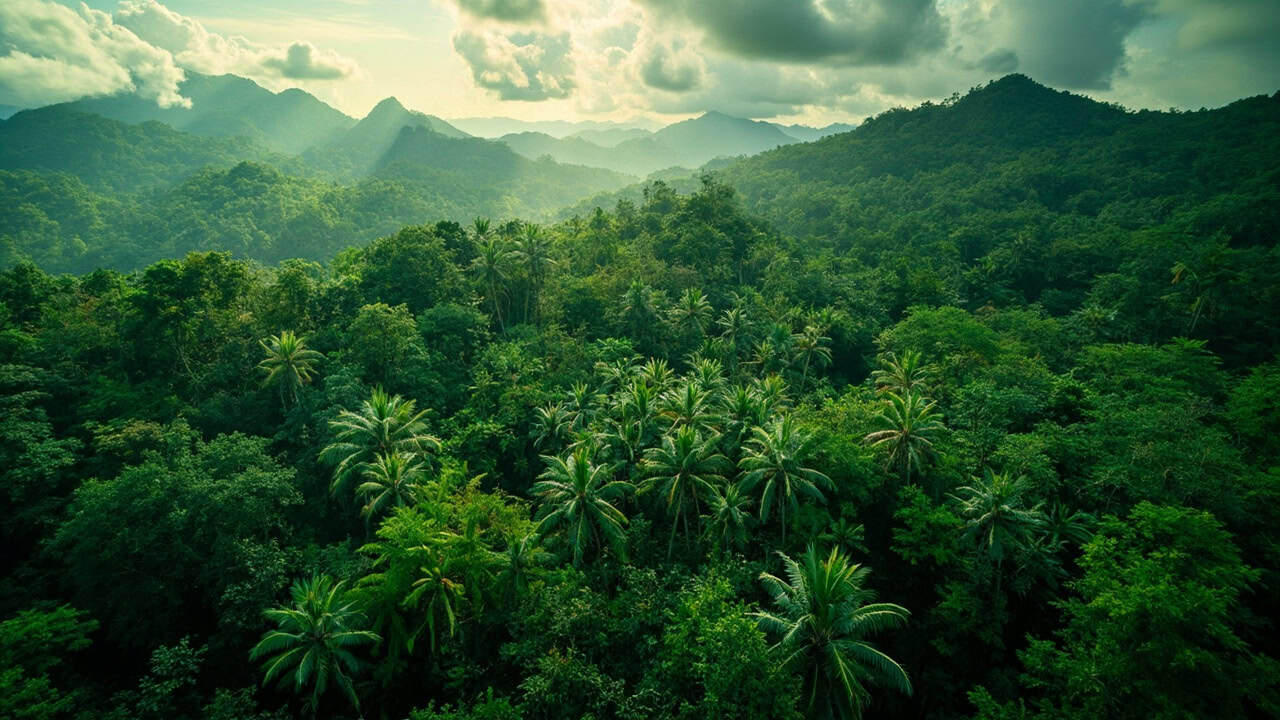
Traditional agroforestry methods offer a model for sustainable production that many modern growers continue to follow. By maintaining natural forest structures and biodiversity, these practices help ensure that kratom cultivation remains compatible with environmental preservation. The health of the surrounding ecosystem directly affects the health of the kratom trees themselves, creating an inherent incentive for responsible stewardship.
Soil conservation represents another critical aspect of sustainable kratom cultivation. Practices that prevent erosion, maintain soil organic matter, and protect water quality contribute to the long-term viability of growing operations. Many traditional growing communities have developed sophisticated soil management techniques over generations, knowledge that remains relevant and valuable in modern contexts.
The future of kratom as a globally available botanical depends on the continued health of Southeast Asian growing regions. Supporting sustainable practices benefits not only the environment but also the communities whose livelihoods depend on kratom cultivation. Consumers can play a role by seeking products from sources committed to responsible production methods.
Regional Variations in Kratom
Just as wine from different vineyards can vary in character, kratom from different regions can exhibit distinct characteristics. The specific growing conditions in each area, including soil composition, climate patterns, and altitude, influence the development of the leaves and their compound profiles. This regional diversity adds richness and variety to the kratom available to consumers.
Borneo, shared by Indonesia, Malaysia, and Brunei, produces significant quantities of kratom and is known for certain distinctive varieties. The island’s unique ecology and climate contribute to leaves with particular qualities that have made Bornean kratom popular among experienced users. The vast rainforests of Borneo provide extensive natural habitat for wild mitragyna speciosa trees.
Indonesia’s numerous islands each offer slightly different growing conditions, resulting in regional variations within the country itself. Sumatran kratom develops under different conditions than varieties from islands further east, reflecting the diversity of Indonesian geography and climate. This intra-country variation means that even within a single nation, there are multiple kratom profiles to explore.
Malaysian kratom has its own devoted following, with certain varieties from the Malay Peninsula gaining recognition for their particular characteristics. The long history of kratom use in Malaysia has resulted in deep local knowledge about cultivation and preparation. Thai kratom, despite regulatory complexities in its country of origin, also maintains a presence in the international market through production in neighboring regions.
The Science of Growing Conditions
Understanding why Southeast Asia produces exceptional kratom requires examining the science behind the growing conditions. The intersection of temperature, humidity, rainfall, and soil creates an environment where mitragyna speciosa trees can flourish in ways difficult to replicate elsewhere. These factors work together synergistically, each supporting and enhancing the others.
Temperature plays a fundamental role in plant metabolism, and the consistent warmth of tropical Southeast Asia supports year-round growth without seasonal dormancy. Unlike temperate plants that must allocate energy to surviving cold periods, kratom trees can direct all their resources toward growth and leaf production. This extended growing season allows trees to achieve impressive sizes more quickly than would be possible in cooler climates.
Humidity affects the efficiency of photosynthesis and water balance in the leaves. High atmospheric moisture reduces water loss through transpiration, allowing the leaves to maintain optimal hydration even during the warmest parts of the day. This consistent moisture availability supports the development of thick, healthy leaf tissue with robust cellular structures.
The photoperiod, or day length, in Southeast Asia remains relatively constant throughout the year, unlike the dramatic seasonal changes experienced at higher latitudes. This consistency in light exposure contributes to the steady, uniform growth patterns observed in well-established kratom trees. The lack of dramatic seasonal shifts allows for flexible harvesting schedules and consistent year-round production.
Community and Culture
The story of kratom is ultimately a human story, intertwined with the communities and cultures of Southeast Asia for generations. For many families in growing regions, kratom cultivation represents a livelihood passed down through multiple generations, with knowledge and techniques refined over decades or even centuries. This heritage adds cultural depth to the botanical itself.
Traditional kratom use in local communities often followed established patterns and rituals. The afternoon break for kratom tea represented a time-honored tradition in certain regions, a moment of pause during demanding physical work. These practices reflected a cultural understanding of the kratom plant as part of daily life rather than an exotic or unusual substance.
The economic importance of kratom to growing communities cannot be overstated. For many rural households, kratom cultivation provides essential income that supports families and enables community development. The global demand for kratom has created opportunities for economic advancement in regions that often lack alternative sources of income, contributing to improved living standards and educational access.
The relationship between these communities and the kratom tree is one of respect and accumulated wisdom. Generations of observation and practical experience have taught growers how to cultivate healthy trees that produce quality leaves year after year. This traditional knowledge, developed long before modern agricultural science, aligns remarkably well with contemporary understanding of sustainable cultivation principles.
The Future of Kratom Cultivation
Looking ahead, the future of kratom cultivation will likely involve a balance between traditional practices and modern innovations. As demand continues to grow, the industry has an opportunity to establish standards and practices that benefit everyone involved, from growers to consumers. This evolution can honor the plant’s heritage while meeting the needs of a global marketplace.
Climate considerations present both challenges and opportunities for kratom cultivation. Changes in temperature and rainfall patterns in Southeast Asia may affect growing conditions in the coming decades. Growers and researchers are monitoring these developments and exploring strategies for maintaining healthy kratom populations in the face of environmental uncertainty.
Research into optimal growing conditions continues to expand our understanding of how to cultivate high-quality kratom. Scientific studies can complement traditional knowledge, identifying factors that contribute to leaf quality and developing methods to enhance cultivation practices. This research supports the development of a more professional and sustainable industry.
The continued interest from consumers around the world suggests that kratom will remain a significant botanical commodity. The connection between Southeast Asia and global markets provides economic benefits that support growing communities while making kratom accessible to interested consumers everywhere. This ongoing relationship reflects the enduring appeal of this remarkable tropical tree.
Kratom in the Modern Regulatory Picture
Modern interest in kratom has pulled the plant into public health and regulatory conversations far beyond its origin regions. The Food and Drug Administration has issued public statements about kratom products on several occasions, and the Drug Enforcement Administration considered federal scheduling in the United States before pulling back the proposal after public response. Several U.S. states have passed Kratom Consumer Protection Act legislation that sets purity and labeling standards rather than banning sale outright. The patchwork creates real differences in what is legal where, and travelers crossing state or national borders are wise to check current rules before shipping kratom across them.
One reason for the regulatory attention is that mitragynine and 7-hydroxymitragynine bind to opioid receptors. Researchers studying these compounds have noted both their potential to support people working through opioid withdrawal and the possibility of withdrawal symptoms from prolonged high-dose kratom use itself. Both findings appear in the peer-reviewed literature, and both come with important caveats about dose, product quality, and individual variation. Public health agencies that monitor opioid use generally acknowledge that the picture is incomplete and that more research is welcome.
What This Means for Kratom Buyers
For the person buying a kratom product today, the regulatory situation matters in three practical ways. Lab testing is more common because state-level Kratom Act regulations require it where they apply, which means a vendor with current third-party assays is signaling alignment with the strictest standards on the market. Labeling has tightened, so a quality vendor will tell you what species the powder came from, where it was grown, and what the mitragynine percentage is for that batch. And the supply chain is more visible, with the better Indonesian and Malaysian suppliers naming the regions they harvest from rather than hiding behind generic strain names.
When customers make kratom part of a regular routine, they tend to settle on one or two suppliers they trust and stay with them. That pattern protects against the inconsistency of buying random batches from random sources, which is the single biggest source of disappointment in the kratom community. The botanical itself is interesting enough that it deserves a careful supply chain to match.
FDA Position on Kratom Products and What It Means for Buyers
The FDA has issued multiple public statements about kratom product safety over the past decade, and the FDA position has shaped how kratom is marketed and sold in the United States. The agency has not approved kratom for any therapeutic use, has flagged certain kratom products for contamination during past recalls, and has cautioned consumers against treating kratom as a substitute for medical care. None of this makes kratom illegal at the federal level, but it does shape the regulatory backdrop that vendors and buyers operate within.
For people who take kratom regularly, the practical implication of the FDA position is that quality sourcing matters more, not less. The vendors who have stayed in business through years of regulatory scrutiny tend to be the ones investing in third-party lab testing, transparent sourcing, and conservative health claims. Choosing a kratom product from one of those vendors gives you a meaningfully better experience than buying from operations that have not made those investments.
How the Kratom Product Market Has Matured
The kratom product market has matured considerably as state-level Kratom Consumer Protection Act legislation has spread. States that take kratom regulation seriously typically require lab testing, accurate labeling, and age verification at point of sale. Vendors who comply with these requirements offer cleaner, more predictable products even in jurisdictions that do not yet have the law on the books.
The American Kratom Association maintains a list of GMP-qualified vendors that have passed third-party audits of their manufacturing practices. That qualification is voluntary but increasingly serves as a quality floor for serious vendors. Buyers who want a reliable kratom product can short-list their search to GMP-qualified suppliers and skip much of the trial-and-error that defined the earlier years of the market. The leaf itself has not changed; what has changed is the maturity of the supply chain that delivers it.
FDA position on kratom and what take kratom buyers should know
The FDA position on kratom has shaped how vendors present their products, and people who take kratom should know the broad strokes. The FDA has issued public advisories about specific kratom products on multiple occasions, has not approved the leaf for therapeutic use, and has flagged adverse events associated with high-dose or contaminated products. The agency has not banned kratom at the federal level, leaving cultivation, import, and sale in a regulatory grey zone. For buyers, the practical implication is to source from vendors with current lab reports and conservative marketing claims rather than from operations that ignore the regulatory backdrop entirely.
Kratom Origins questions
What Country Produces the Most Kratom?
Indonesia stands as the largest producer of kratom in the world, with its extensive archipelago providing ideal growing conditions across numerous islands. The country’s tropical climate, abundant rainfall, and rich volcanic soils create perfect environments for mitragyna speciosa cultivation. Indonesian kratom dominates the global market, though Malaysia, Thailand, and Papua New Guinea also contribute significant quantities.
Where Is the Best Kratom Grown?
Determining which region produces the “best” kratom depends largely on personal preference and the specific characteristics one values. Borneo and surrounding islands in Indonesia are renowned for producing potent varieties with robust profiles. Malaysian and Thai varieties also have devoted followings. The best kratom for any individual is often a matter of exploring different origins to discover which characteristics align with personal preferences and intended uses.
What Growing Conditions Are Ideal for Kratom Trees?
The ideal conditions for kratom cultivation include consistent warmth with temperatures between 75 and 95 degrees Fahrenheit, high humidity above 80 percent, and abundant rainfall distributed throughout the year. Rich, well-draining soil with good organic content supports healthy growth, as does protection from harsh direct sunlight for young trees. These conditions, found naturally in tropical Southeast Asia, explain why the region remains the primary source of commercial kratom.
How Long Does It Take for a Kratom Tree to Mature?
A mitragyna speciosa tree typically reaches maturity and becomes productive within three to five years under favorable growing conditions. Young trees first produce leaves suitable for harvest around two to three years of age, though the quantity and quality improve as the tree continues to develop. Mature trees can be harvested regularly for many years, with some specimens remaining productive for decades when properly maintained. The relatively quick maturation compared to some other tree species makes kratom cultivation a viable long-term agricultural endeavor.
How Does Weather Affect Kratom Quality?
Weather patterns significantly influence kratom quality by affecting the tree’s growth rate, leaf development, and compound concentration. Consistent warmth and moisture support steady growth and healthy leaf production, while periods of drought or temperature stress can reduce leaf quality and alter compound profiles. The predictable tropical weather in traditional growing regions allows for reliable, year-round production of consistent-quality leaves, which is one reason why Southeast Asian-origin kratom maintains its reputation for quality.
Can Kratom Be Grown Outside Southeast Asia?
While it is technically possible to grow mitragyna speciosa trees outside Southeast Asia, replicating the ideal conditions found in their native habitat presents significant challenges. The consistent warmth, high humidity, and specific soil requirements are difficult to maintain in most other locations. Indoor or greenhouse cultivation can support tree survival in temperate climates, but commercial-scale production outside the tropics remains impractical and rarely produces leaves with characteristics comparable to traditionally grown kratom.


What is Kratom Used For?
Kratom is a tropical evergreen tree native to Southeast Asia, belonging to the coffee family. Its leaves have been used for centuries in traditional practices throughout Indonesia, Thailand, and Malaysia. Discover the various uses and benefits of this plant.

What is Yellow Kratom?
Move beyond the standard red, green, and white strains. Learn what yellow kratom is, how it’s made, and why this unique botanical is gaining popularity.