
Blog
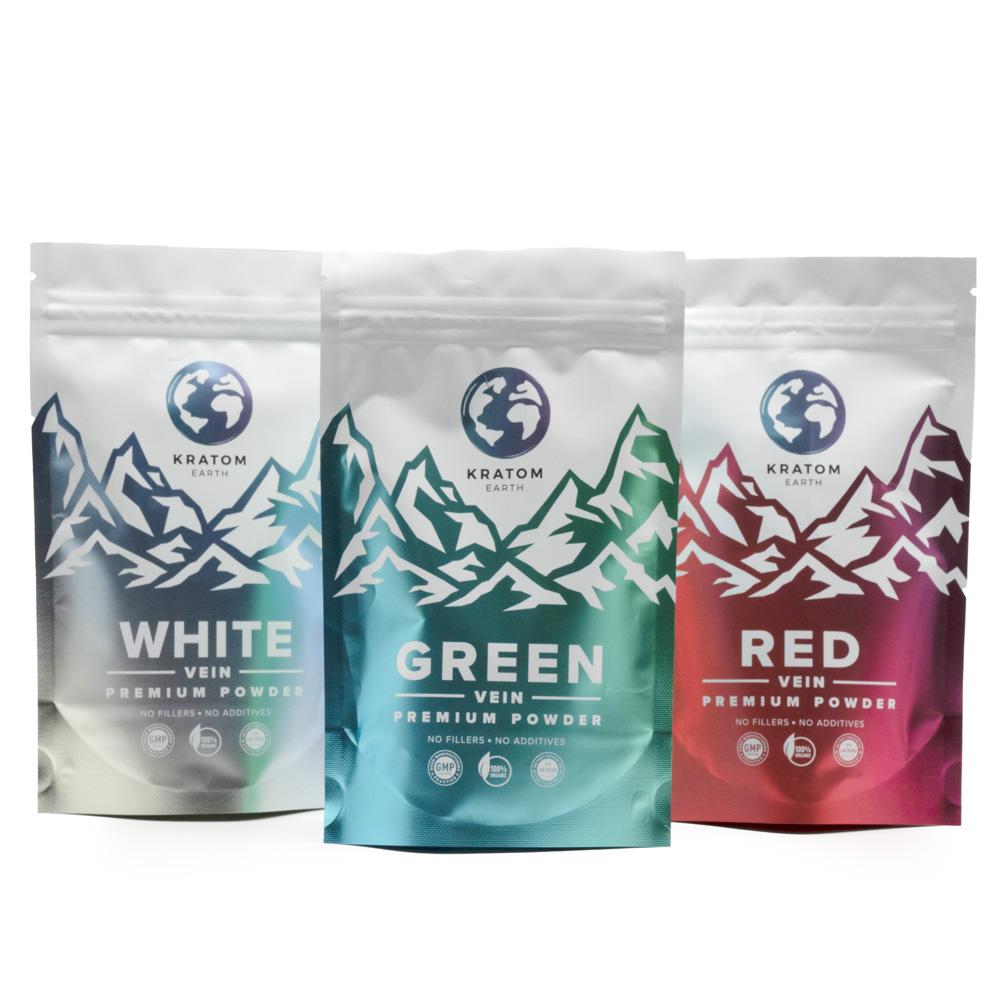
The active alkaloids in kratom are the naturally occurring compounds in Mitragyna speciosa leaves that produce its effects, led by mitragynine and the more potent 7-hydroxymitragynine. The leaf contains more than 40 alkaloids in total, but these two account for most of its activity. This guide explains what each major alkaloid does, how they interact with the body, and why their balance differs from one strain to the next.
Understanding the active alkaloids in this plant can help people appreciate why it has become such a widely discussed subject in the world of natural products. The chemistry behind these compounds is complex but worth exploring for anyone curious about how botanical substances interact with the body. Let’s dive into what makes this plant’s chemistry so distinctive.
What Are Alkaloids?
Alkaloids are a class of naturally occurring compounds that contain nitrogen atoms. They are found in many plants, herbs, and even some animals. These compounds often have pronounced effects on human biology, which is why they have been studied so extensively in pharmacology.
The word “alkaloid” comes from the alkaline nature of these compounds. Plants produce alkaloids as part of their defense mechanisms against predators and pests. This natural protection system is what makes certain plants so potent and interesting to researchers studying natural products.
Many common substances we encounter contain alkaloids. Coffee contains caffeine, tobacco contains nicotine, and the poppy plant contains morphine. Each of these alkaloids has distinct effects, and they work through various pathways in the body. The alkaloids found in mitragyna speciosa are no different in their complexity and uniqueness.
Alkaloids typically have a nitrogen-containing ring structure in their molecular makeup. This structure allows them to interact with specific receptors in the nervous system. The interaction between alkaloids and receptors is what creates the observable effects that people experience with various botanical substances.
The Mitragyna Speciosa Plant
Mitragyna speciosa is a tropical evergreen tree native to Southeast Asia. It belongs to the coffee family, Rubiaceae, which includes many other plants known for their alkaloid content. The trees can grow quite tall, sometimes reaching heights of over 80 feet in their natural habitat.
The leaves of mitragyna speciosa are the most valuable part of the plant from a chemical standpoint. They are harvested and processed in various ways depending on the intended use. Traditional methods involve chewing the fresh leaves or brewing them into teas.
The chemistry of mitragyna speciosa is remarkably diverse. Researchers have identified over 40 different alkaloids in the plant, though the vast majority of these are present only in trace amounts. The two primary alkaloids that have received the most attention are mitragynine and 7-hydroxymitragynine.
The plant has been an important part of cultural practices in countries like Thailand, Malaysia, and Indonesia for generations. Local communities developed various preparation methods that have been passed down over time, each resulting in different experiences based on the alkaloid content and concentration.
Primary Alkaloids: Mitragynine and 7-Hydroxymitragynine
When discussing the active alkaloids in mitragyna speciosa, two compounds dominate the conversation: mitragynine and 7-hydroxymitragynine. These two alkaloids account for the majority of the plant’s pharmacological activity and are the focus of most research efforts.
Mitragynine is the most abundant alkaloid found in commercial varieties. It typically makes up about 60% of the total alkaloid content in most samples. Research catalogued by the U.S. National Library of Medicine puts mitragynine at roughly 66% of kratom’s total extractable alkaloid content, followed by paynantheine at about 9%, speciogynine at 7%, and 7-hydroxymitragynine at 2%, a profile that reflects the leaf’s naturally rich chemistry. This compound was first isolated and studied in the early 20th century, but it is only in recent decades that its interaction with biological systems has been thoroughly examined.
The molecular structure of mitragynine is what makes it unique among alkaloids from the rubiaceous plant family. Unlike many other indole alkaloids found in plants from this family, mitragynine has a distinctive chemical arrangement that influences how it interacts with various receptor types in the body.
7-Hydroxymitragynine is present in much smaller quantities than mitragynine. In most commercial products, it represents less than 2% of the total alkaloid content. Despite its lower concentration, this alkaloid is significantly more potent than mitragynine on a per-milligram basis.
The relationship between these two alkaloids is important for understanding the overall effects of the plant. Mitragynine serves as the foundation of the plant’s activity, while 7-hydroxymitragynine acts as a more powerful modifier. Together, they create a complex interplay of effects that varies depending on the ratio and concentration of each.
How These Alkaloids Interact With Receptors
The primary mechanism through which these alkaloids exert their influence involves interaction with certain receptors in the nervous system. Specifically, mitragynine and 7-hydroxymitragynine have been shown to interact with mu-opioid receptors, though the nature of this interaction differs from traditional opioid compounds.
Receptor interaction is a key concept in understanding how alkaloids work. Think of receptors as specialized locks on the surface of cells. Alkaloids act like keys that can turn these locks, triggering specific responses inside the cell. The shape and chemistry of each alkaloid determine which locks it can open.
Research conducted both in vitro and in vivo has helped scientists understand these interactions more clearly. In vitro studies use isolated components or cell cultures to observe how alkaloids behave in controlled laboratory conditions. These studies allow researchers to isolate specific mechanisms without the complexity of a whole biological system.
The analgesic properties associated with these compounds relate directly to their receptor interactions. In pharmacology, a compound that produces pain-relieving effects through receptor activation is said to have analgesic properties. The degree to which each alkaloid contributes to these effects depends on its concentration and binding affinity.
The Role of Indole Alkaloids
Mitragynine belongs to a class of alkaloids called indole alkaloids. The indole structure is a fundamental building block found in many naturally occurring compounds. It consists of a nitrogen-containing ring fused to a benzene ring, creating a unique shape that interacts with specific biological targets.
The rubiaceous plant family is particularly known for producing diverse indole alkaloids. This family includes not only mitragyna speciosa but also plants like cinchona and uncaria, each with their own distinctive alkaloid profiles. The common thread among these plants is their shared ability to produce complex nitrogen-containing compounds.
Indole alkaloids from the rubiaceous plant family have been subjects of pharmacological interest for many years. Their unique structures and varied effects make them valuable targets for researchers studying natural products and their potential applications.
The biosynthesis of indole alkaloids in plants involves sophisticated chemical pathways. The plant builds these complex molecules step by step, starting from simpler amino acid precursors. This process results in compounds that are intricately folded into their final three-dimensional shapes.
Understanding indole alkaloids helps contextualize why mitragyna speciosa chemistry is so complex. With over 40 different alkaloids identified, each with its own subtle variations in structure, the plant offers a rich tapestry of related but distinct compounds.
Factors Affecting Alkaloid Content
The concentration of active alkaloids in mitragyna speciosa can vary significantly depending on several factors. These variations are important to understand because they affect the overall potency and character of different products available in the market.
Geographic origin plays a major role in determining alkaloid profiles. Plants grown in different regions of Southeast Asia may produce varying amounts of mitragynine and 7-hydroxymitragynine. Soil composition, climate, and altitude all influence how the plant develops and what compounds it produces.
The maturity of the leaves at harvest time also affects alkaloid content. Younger leaves tend to have different alkaloid concentrations than more mature ones. Experienced harvesters have long understood this relationship and time their harvests accordingly to achieve desired profiles.
Processing methods can alter the alkaloid composition significantly. Traditional preparation methods like drying, fermenting, or using heat can change the relative amounts of different alkaloids present in the final product. These transformations occur through chemical reactions that modify the original alkaloid structures.
Commercial products vary widely in their alkaloid content. Testing of various commercial samples has revealed significant differences between products, even those labeled with the same variety name. This variation underscores the importance of understanding alkaloid content when evaluating different options.
Environmental factors during cultivation also influence alkaloid production. Light exposure, water availability, and nutrient levels all impact how the plant grows and what compounds it synthesizes. These variables make it challenging to achieve consistent alkaloid profiles across different batches.
Understanding Vein Color and Alkaloid Profiles
One of the most discussed aspects of mitragyna speciosa is the color of the leaf veins. The three main color varieties are white, green, and red, each associated with different alkaloid profiles and perceived effects.
Red vein varieties are generally associated with higher concentrations of 7-hydroxymitragynine relative to other types. This higher ratio is often described as producing more pronounced experiences. The red color comes from the maturity of the leaves and the specific growing conditions that produce certain alkaloid combinations.
Green vein varieties occupy a middle ground in terms of alkaloid content. They often contain balanced amounts of various alkaloids, creating a profile that is neither as mild as some white varieties nor as pronounced as red varieties. Many users appreciate green varieties for their versatility.
White vein types are typically associated with milder alkaloid profiles. They often contain higher proportions of mitragynine relative to 7-hydroxymitragynine. Some users prefer white varieties for daytime use when they want subtler effects.
It is important to note that vein color is just one factor influencing alkaloid content. The actual chemistry can vary widely between products, even within the same color category. Testing for specific alkaloid concentrations is the most reliable way to understand what any given product contains.
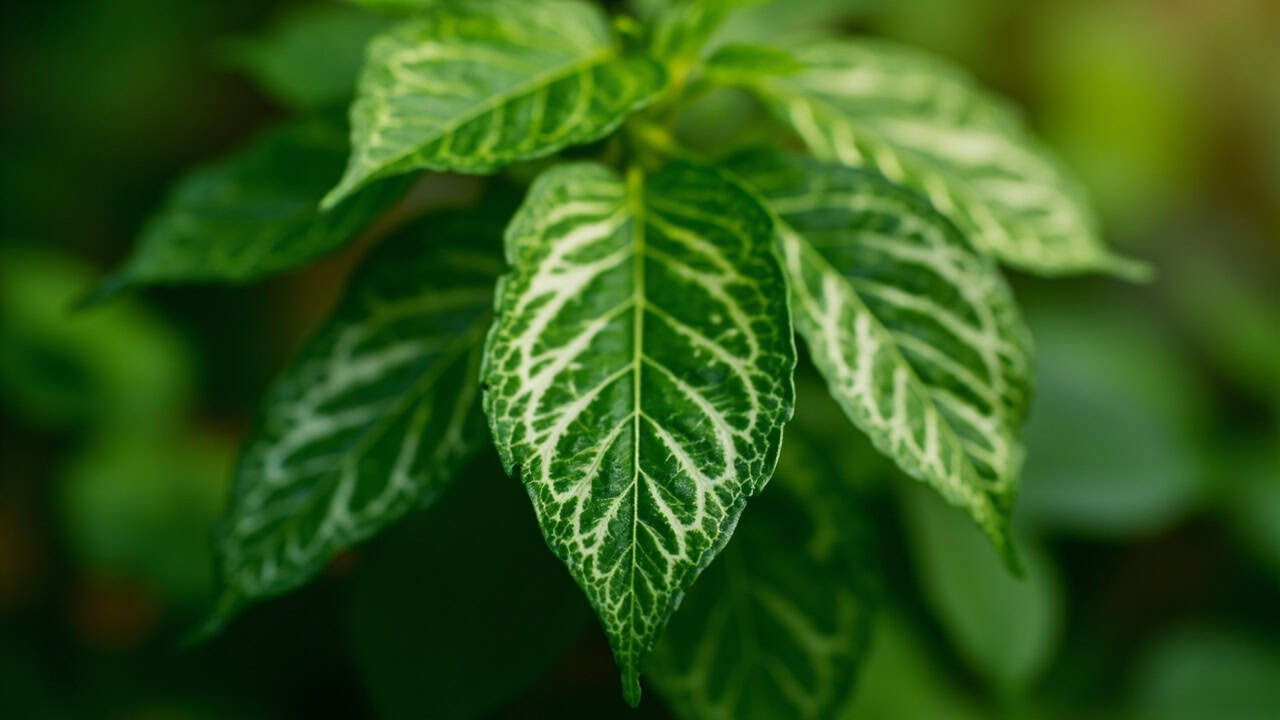
Extraction and Isolation Methods
The study of alkaloids requires sophisticated laboratory techniques to extract, isolate, and analyze these compounds. Researchers interested in understanding the pharmacology of analgesic indole alkaloids have developed various methods for working with plant materials.
Traditional extraction involves using solvents to pull alkaloids from plant tissue. Common solvents include water, alcohols, and various organic compounds. The choice of solvent affects which alkaloids are extracted and in what proportions. Some alkaloids are more soluble in certain solvents than others.
Modern analytical techniques allow scientists to separate and identify individual alkaloids with remarkable precision. Methods like high-performance liquid chromatography (HPLC) and mass spectrometry can detect and quantify even trace amounts of specific compounds in complex mixtures.
The isolation of pure alkaloids enables researchers to study their individual properties. When an alkaloid is isolated from the rest of the plant matrix, it can be examined in detail without interference from other compounds. This pure form is essential for understanding structure-activity relationships.
Commercial extraction processes aim to concentrate specific alkaloids while removing unwanted plant material. These processes can significantly alter the alkaloid profile compared to the original leaf. Understanding extraction methods helps explain why some products have very different characteristics than others.
The Science of Receptor Binding
Understanding how alkaloids interact with receptors requires diving into the field of receptor biochemistry. Receptors are specialized proteins embedded in cell membranes that serve as communication points between a cell and its environment.
When an alkaloid binds to a receptor, it can trigger a cascade of events inside the cell. The specific response depends on the receptor type, the alkaloid involved, and the cellular context. This is why different alkaloids can produce such varied effects despite sometimes having similar structures.
The concept of an agonist is central to understanding receptor interaction. An agonist is a compound that binds to a receptor and activates it, producing a biological response. Both mitragynine and 7-hydroxymitragynine act as agonists at certain receptor types, though their activity profiles differ in important ways.
Antagonists, by contrast, bind to receptors without activating them. They block other compounds from binding and activating the receptor. Some alkaloids may exhibit antagonist properties at certain receptor types, adding further complexity to the overall effect profile.
The binding affinity of an alkaloid refers to how strongly it attaches to a receptor. Higher affinity means the alkaloid stays bound longer and can produce more sustained effects. The difference in potency between mitragynine and 7-hydroxymitragynine relates largely to their different binding affinities.
Comparing Different Binding Profiles
Each alkaloid in mitragyna speciosa has its own unique binding profile across different receptor types. This diversity of activity contributes to the complexity of effects that users may experience with different products.
Mitragynine has been shown to interact primarily with mu-opioid receptors, but it also shows activity at other receptor types including kappa and delta opioid receptors. This broader activity profile is one reason why its effects are often described as distinct from those of traditional opioid compounds.
7-Hydroxymitragynine exhibits stronger binding affinity, particularly at mu-opioid receptors. This higher potency means that smaller amounts of this alkaloid can produce more pronounced receptor activation. The ratio of 7-hydroxymitragynine to mitragynine in any given product can significantly influence its overall activity.
Research continues to identify additional receptor interactions for both major and minor alkaloids. As more studies are conducted using modern analytical methods, our understanding of these interactions becomes more refined and nuanced.
The diversity of receptor interactions helps explain why the overall experience with different varieties can vary so substantially. With over 40 identified alkaloids, each with its own binding characteristics, the potential combinations are virtually limitless.
Minor Alkaloids and Their Significance
While mitragynine and 7-hydroxymitragynine dominate the conversation, the minor alkaloids present in mitragyna speciosa also deserve attention. These less abundant compounds may contribute to the overall experience in subtle but meaningful ways.
Speciociliatine, mitraciliatine, and paynantheine are among the more significant minor alkaloids found in most samples. Though present in smaller quantities, these compounds may modulate or influence the effects of the major alkaloids through synergistic interactions.
The term “oxindole alkaloid” refers to a structural variant found in some mitragyna species. These compounds have a different arrangement of atoms compared to the standard indole structure, potentially giving them distinct pharmacological properties.
New alkaloids continue to be discovered as analytical techniques improve. Each new compound adds to our understanding of the plant’s complex chemistry and raises new questions about potential interactions and effects.
The combined effect of all alkaloids in the plant is sometimes referred to as the “entourage effect.” This concept suggests that the various compounds work together in ways that cannot be fully replicated by isolated components alone. Similar concepts have been discussed in relation to other botanical products.
Synergistic Interactions
Synergy occurs when the combined effect of multiple compounds is greater than what would be expected from simply adding their individual effects. In complex botanical products like mitragyna speciosa, synergy may explain why whole plant preparations sometimes produce different effects than isolated alkaloids.
The presence of multiple alkaloids means that various receptor types may be activated simultaneously. This widespread receptor engagement could produce more complex and nuanced effects than would be possible with a single compound alone.
Minor alkaloids might also influence how major alkaloids are metabolized or processed by the body. Some compounds can inhibit or enhance the enzymes responsible for breaking down other compounds, effectively modulating the duration and intensity of effects.
Understanding synergy remains an active area of research. The complexity of possible interactions makes studying these effects challenging, but advances in analytical methods continue to shed light on this fascinating aspect of plant chemistry.
Laboratory Testing and Standardization
As the market for mitragyna speciosa products has grown, so has interest in laboratory testing and standardization. Consumers increasingly want to know exactly what they are purchasing in terms of alkaloid content.
Reputable suppliers often provide certificates of analysis from independent laboratories. These documents detail the concentrations of key alkaloids and may also check for contaminants or adulterants. Understanding these reports helps consumers make more informed decisions.
Standardization efforts aim to produce products with consistent alkaloid profiles. This can be challenging given the natural variation in plant material, but various techniques including blending and extraction optimization can help achieve more predictable results.
Some testing methods focus specifically on identifying and quantifying mitragynine and 7-hydroxymitragynine. These two alkaloids are typically considered the most important markers of potency and quality. However, a complete alkaloid profile provides a more comprehensive picture.
Third-party testing helps ensure product integrity and safety. Labs check for things like heavy metals, microbial contamination, and the presence of undeclared compounds. This transparency builds trust between suppliers and consumers.
Traditional and Modern Preparation Methods
The way mitragyna speciosa is prepared significantly affects the alkaloid content and character of the final product. Traditional methods developed over generations reflect an empirical understanding of how to optimize desired qualities.
Chewing fresh leaves is the oldest method of use. This approach delivers alkaloids directly from the leaf to the user, though the exact potency depends on the freshness and source of the leaves. Traditional workers often used this method during long days of labor.
Brewing leaves as tea is another traditional preparation. Hot water extracts alkaloids from the plant material, creating a beverage that concentrates the active compounds. The brewing process can be adjusted to achieve different strength levels.
Modern products include dried and ground leaf material, concentrated extracts, and enhanced formulations. Each of these preparation methods affects the alkaloid profile in different ways. Understanding these differences helps users choose products that match their preferences.
The grinding process exposes more leaf surface area, which can affect how alkaloids are subsequently extracted or absorbed. Finely powdered materials tend to have different handling characteristics and may be more bioavailable than coarse preparations.
Extracts are produced by concentrating alkaloids from larger amounts of plant material. This concentration process typically results in products with higher alkaloid content per unit weight. Users should be aware that extracts can be significantly more potent than plain leaf materials.
Storage and Stability of Alkaloids
Proper storage helps maintain the integrity of alkaloids over time. Like many natural products, mitragyna speciosa can degrade if exposed to unfavorable conditions. Understanding storage requirements helps ensure product quality.
Heat, light, and humidity are the main enemies of alkaloid stability. Exposure to these elements can cause chemical changes that reduce potency or alter the character of the product. A cool, dark, and dry environment is ideal for long-term storage.
The shelf life of products varies depending on their form and packaging. Properly stored dried leaf may maintain its quality for months or even years, while extracts might have a more limited window of optimal use. Checking for changes in color, smell, or texture can indicate degradation.
Vacuum sealing and airtight containers help protect products from moisture and oxidation. Some suppliers package their products in materials designed to block light and prevent air exchange. These precautions add to the cost but help preserve quality.
Freezing can extend storage life for some products, though repeated freezing and thawing cycles should be avoided. When storing in freezer conditions, allowing gradual thawing at room temperature helps prevent condensation that could introduce moisture.
Common Uses and Experiences
People use mitragyna speciosa for a variety of purposes, often describing effects that vary based on the product type and individual factors. These uses and experiences are shared within communities of people interested in botanical products and natural alternatives.
Many users describe using mitragyna speciosa to support daily activities. Lower amounts are sometimes associated with increased alertness and focus, while larger servings may produce more pronounced effects. The concept of “less is more” applies to many users, with moderate amounts often preferred over excessive quantities.
The effects are often described as varying based on the specific variety and alkaloid content. Red vein varieties are frequently associated with certain types of experiences, while white and green varieties may produce different character profiles. These associations come from collective user experience over time.
The timing of effects can vary depending on how the product is consumed. Traditional methods like brewing tea typically produce effects within 30 to 60 minutes, while other preparation methods may have different onset times. Understanding these timelines helps users plan their consumption appropriately.
Duration of effects also varies based on preparation method and individual factors. Most users report experiencing effects for several hours, with the peak intensity typically occurring in the first few hours. The comedown or transition period varies significantly between individuals.
Tolerance development is a well-known phenomenon with regular use. Taking breaks between uses helps maintain sensitivity to the effects. Many experienced users recommend cycling through different varieties or taking periodic breaks to maintain consistent experiences.
Factors Influencing Individual Experiences
Several factors can influence how any individual responds to mitragyna speciosa. These factors explain why experiences can vary so substantially between different people, even when using similar products.
Body weight and metabolism affect how quickly alkaloids are processed and eliminated. Individuals with faster metabolisms may experience shorter duration but potentially more intense initial effects. Those with slower metabolism might find effects last longer but build more gradually.
Empty stomach versus full stomach consumption can significantly impact onset and intensity. Many users report that consuming on an empty stomach produces faster and more pronounced effects, while food in the system can moderate the experience.
Hydration levels also influence how the body processes alkaloids. Being well-hydrated is generally recommended for optimal experiences, while dehydration might lead to less comfortable outcomes. Many users find that drinking water throughout the experience helps.
Individual body chemistry plays a crucial role that is difficult to predict. Each person’s receptor systems and metabolic enzymes are unique, leading to inherently individual responses. What works well for one person may not be ideal for another.
The quality and alkaloid profile of the specific product cannot be overstated. Testing and sourcing practices vary widely between suppliers, making product selection an important factor in achieving desired experiences. Building relationships with trusted suppliers helps ensure consistent quality over time.
Quality Indicators and Sourcing
Identifying high-quality mitragyna speciosa products requires attention to several key factors. Understanding what distinguishes quality products helps consumers make better purchasing decisions.
Third-party laboratory testing is one of the most reliable quality indicators. Products tested by independent laboratories typically provide detailed information about alkaloid content and purity. Requesting these reports and reviewing them before purchase helps verify quality claims.
Supplier reputation matters significantly in this market. Established vendors with positive track records tend to be more reliable sources of quality products. Reading reviews and engaging with communities of experienced users can help identify trustworthy suppliers.
Price can be an indicator of quality, though it is not always reliable. Products with unusually low prices may indicate inferior sourcing, contamination, or dilution. Conversely, high prices do not guarantee superior quality. Finding a balance based on testing data and reputation is usually the best approach.
Packaging and labeling provide clues about professional practices. Quality suppliers typically include detailed information about sourcing, testing, and recommended use. Products with vague or missing information should be approached with caution.
Origin information helps establish the authenticity and potential quality of products. Mitragyna speciosa from well-known growing regions tends to have more consistent characteristics. Suppliers who can trace their products back to specific farms or cooperatives often provide higher quality assurance.
Building a Personal Collection
Many enthusiasts develop a collection of different varieties to rotate through based on their needs and preferences. Building such a collection allows for variety and helps prevent tolerance buildup from using the same product continuously.
Starting with small quantities of several different varieties helps identify preferences without committing to large amounts of any single type. This exploration phase is an enjoyable part of getting started with different alkaloid profiles.
Organizing and labeling your collection helps track which varieties work best for different purposes. Many users find that keeping notes on their experiences with each product builds knowledge over time and helps guide future purchasing decisions.
Proper storage of your collection ensures that products remain fresh and potent. Investing in appropriate containers and storage solutions pays off in the long run by preserving product quality.
Connecting with other enthusiasts provides opportunities to learn about new varieties and sources. Community knowledge often includes insights that are not available elsewhere, making engagement with the user community valuable for anyone seriously interested in exploring different options.
Understanding Alkaloid Ratios
The ratio between different alkaloids, particularly between mitragynine and 7-hydroxymitragynine, is a key factor in determining product characteristics. Understanding these ratios helps explain why different varieties produce such varied effects.
Products with higher 7-hydroxymitragynine relative to mitragynine are often described as more potent. This higher potency means smaller amounts are needed to achieve similar effects compared to products with lower ratios. Experienced users often prefer higher-ratio products for this reason.
Balanced ratios may provide a middle ground between potency and subtlety. Some users find that extremely high-potency products are overwhelming and prefer more moderate profiles. Finding the right ratio is a personal matter that depends on individual preferences and goals.
Some suppliers now provide detailed alkaloid profiles showing the concentrations of multiple compounds. This transparency allows consumers to select products based on their specific alkaloid preferences rather than relying solely on vein color or product name.
The ratio can shift during processing and storage. Some preparation methods favor certain alkaloids over others, and degradation during storage may affect ratios over time. Fresh products with proper testing typically provide the most accurate reflection of the original plant chemistry.
Seasonal and Regional Variations
The growing conditions for mitragyna speciosa vary throughout the year and across different regions. These variations contribute to differences in alkaloid content that even skilled suppliers must account for when sourcing products.
Seasonal changes affect plant metabolism and therefore alkaloid production. During certain times of year, plants may produce higher or lower amounts of specific alkaloids. Experienced harvesters understand these patterns and time their harvests accordingly.
Regional variations reflect differences in soil composition, climate, and growing practices across Southeast Asia. Each producing region has developed distinct characteristics based on local conditions and traditional practices. These regional signatures give rise to the variety of products available in the market.
Altitude can influence alkaloid content significantly. Plants grown at higher elevations often develop more slowly, potentially leading to different alkaloid profiles than those grown at lower elevations. This factor adds another dimension to the complexity of mitragyna speciosa chemistry.
Cross-regional blending is sometimes used to create products with consistent characteristics. By combining materials from different sources, suppliers can balance out natural variations and produce more predictable profiles. This practice requires significant expertise and testing infrastructure.
The Chemistry of Indole Alkaloids
The indole alkaloids found in mitragyna speciosa belong to a broader family of compounds that share a common structural feature: the indole ring. This ring consists of a benzene ring fused to a nitrogen-containing pyrrole ring, creating a unique shape that interacts specifically with certain biological targets.
The indole structure is found in many important natural and synthetic compounds. Serotonin, the neurotransmitter, contains an indole ring, as does melatonin, LSD, and many other bioactive substances. This shared structural feature helps explain why indole alkaloids often have pronounced effects on the nervous system.
Within the indole alkaloid family, there are many structural variations. The specific arrangement of atoms attached to the indole core determines each compound’s unique properties. Small changes in structure can lead to significant differences in pharmacological activity.
The biosynthesis of indole alkaloids in plants involves elaborate enzymatic pathways. These pathways build complex molecules from simple starting materials, adding and modifying chemical groups step by step. Understanding these biosynthetic routes helps researchers appreciate how plants produce these remarkable compounds.
Chemical modifications to indole alkaloids can create compounds with altered properties. In pharmacology, structure-activity relationship studies systematically explore how changes to a molecule affect its biological activity. Such studies have informed the development of many therapeutic agents.
Structural Features of Mitragynine
Mitragynine’s structure reveals several features that distinguish it from other indole alkaloids. Understanding these features helps explain its unique pharmacological profile and its distinction from traditional opioid compounds.
The methoxy group attached to the indole ring influences how mitragynine interacts with certain receptors. This structural element affects the molecule’s overall shape and electronic properties, which in turn influence its binding characteristics.
The presence of a double bond in a specific position affects the molecule’s rigidity and three-dimensional shape. This structural constraint determines how the molecule can orient itself when binding to receptor targets.
The ester side chain found in mitragynine plays an important role in its activity. Modifications to this side chain can significantly alter the compound’s potency and receptor interaction profile. The chemistry of this region is a subject of ongoing research interest.
The stereochemistry of mitragynine, meaning the three-dimensional arrangement of its atoms in space, is crucial for its biological activity. Only specific spatial arrangements produce active compounds, while mirror-image versions may have different or no activity.
Comparing 7-Hydroxymitragynine Structure
7-Hydroxymitragynine differs from mitragynine primarily by the addition of a hydroxyl group at position seven of the indole ring structure. This seemingly small change has profound effects on the compound’s pharmacological properties.
The hydroxyl group adds oxygen and hydrogen atoms to the molecule, increasing its polarity. More polar compounds tend to interact differently with receptor binding sites and may be metabolized through different pathways than less polar versions.
This structural difference increases the binding affinity of 7-hydroxymitragynine for certain receptors by approximately an order of magnitude compared to mitragynine. This dramatic potency increase explains why such small amounts of this alkaloid can significantly influence overall effects.
The presence of the hydroxyl group also affects how the compound is processed by the body. Enzymes that metabolize one compound may not efficiently process the other, leading to different duration and clearance profiles.
Understanding these structural differences helps explain the synergistic relationship between these two major alkaloids. Together, they create a more complex effect profile than either could produce alone.
Research Directions and Future Understanding
Scientific interest in mitragyna speciosa alkaloids continues to grow, with new research expanding our understanding of these fascinating compounds. Future studies will likely reveal more about the interactions and potential applications of these and other plant constituents.
Advanced analytical techniques are making it possible to detect and characterize alkaloids present in very low concentrations. As these methods improve, researchers may identify additional compounds that contribute to the overall effect profile.
Pharmacological research exploring receptor interactions continues to reveal the complexity of how these alkaloids work. Modern imaging and computational methods allow scientists to study binding interactions at the molecular level with unprecedented precision.
Comparative studies examining different varieties and growing conditions may help establish more reliable quality standards for commercial products. Such research benefits both consumers and responsible suppliers by providing objective benchmarks.
The broader field of natural products research increasingly recognizes the importance of complex mixtures. Understanding how the full spectrum of compounds in mitragyna speciosa interact represents a frontier that may yield important insights for years to come.
Alkaloids in Practical Kratom Use
Knowing the alkaloid profile of a kratom leaf is one thing; experiencing how those alkaloids translate to a kratom tea, a kratom extract, or a measured dose of powder is something else. The kratom plant produces mitragynine and 7-hydroxymitragynine in proportions that vary by region, leaf maturity, and processing, and the way the product is prepared at home then adds another layer of variability.
Hot water extraction during tea preparation pulls a different alkaloid balance into the cup than what is present in the raw powder, because mitragynine is more soluble in slightly acidic water and some related alkaloids partition differently. Long simmering tends to mute the higher peak that toss-and-wash users describe, while a quick steep tends to preserve it. A kratom extract concentrates the alkaloids into a smaller volume by removing plant fiber and water, which means a small amount of extract delivers what a much larger amount of plain leaf would. People who use kratom regularly often build a routine that mixes formats based on the time of day and the effect they want.
Mitragynine, Opioid Receptors, and the Broader Picture
The reason researchers care about the alkaloid mitragynine is its binding profile at the opioid receptor. Mitragynine acts as a partial agonist at mu-opioid receptors and shows activity at delta and kappa receptors as well, which is unusual among plant alkaloids. That receptor profile is what positions kratom as a subject of interest in conversations about opioid withdrawal and pain research, and it is also what gives the leaf its characteristic biphasic dose response, with smaller amounts feeling stimulating and larger amounts feeling sedating.
The therapeutic potential of kratom is still being mapped. Reports from people who use kratom suggest a wide range of motivations, from supporting energy through a working day to easing the rough edges of opioid withdrawal under their own supervision. Clinical research is slowly catching up with this lived experience, and the most useful papers are review articles that bring user reports, animal data, and limited human studies together rather than treating any one source as definitive. The honest summary, today, is that kratom leaf has been studied enough to take seriously and not enough to issue strong clinical guidance.
The Effects of Kratom Mapped to Specific Alkaloids
The effects of kratom that any particular kratom product produces come from the alkaloid profile of the leaf, not from any single compound acting in isolation. The use of kratom for stimulation at low doses reflects mitragynine’s partial agonist activity at the mu-opioid receptor, while the relaxation associated with higher doses reflects the same compound shifting how it occupies those receptors at saturation. The kratom alkaloid 7-hydroxymitragynine, present at much lower concentrations, contributes a disproportionate amount of the relaxing character because it binds far more potently per molecule.
For users selecting a kratom product based on intended effect, this matters in two practical ways. First, products with elevated 7-OH content from extraction or aging will feel stronger per gram than plain leaf, but they also drive faster tolerance. Second, the natural alkaloid balance in a quality plain leaf rarely produces the abrupt onset and sharp offset of an extract, which is why long-term users typically prefer the leaf experience for daily routines.
Why the Alkaloid Discussion Matters for Kratom Product Quality
A vendor who publishes specific alkaloid percentages on each batch’s certificate of analysis is offering you the information you need to compare kratom products meaningfully. Without those numbers, two bags labeled the same way can deliver quite different experiences, which is the most common source of disappointment in the use of kratom across vendors. Lab reports turn the alkaloid discussion from theory into something you can verify before placing an order.
The use of kratom over months and years tends to surface batch-to-batch consistency as the most valuable feature of a good supplier. Strain naming, packaging, and pricing all matter, but a vendor whose mitragynine percentage stays within a tight range across new lots is delivering the quiet kind of reliability that experienced users rely on. The alkaloids in kratom are the chemistry; consistency in delivery is the craft.
Use of kratom for specific kratom products and goals
The use of kratom for any specific goal benefits from choosing the kratom product that matches the goal rather than reaching for the most convenient option. Effects of kratom diverge across colors and formats, so a kratom user clear about the intended outcome can shortcut a lot of trial and error. For energy, a white plain leaf at a moderate dose. For relaxation, a red plain leaf at a moderate dose. For balanced daytime use, a green plain leaf or a Maeng Da variety in any color. Extracts and enhanced products have their place, but plain leaf produces more predictable and sustainable results for most ongoing use cases.
Kratom Alkaloids questions
What Are the Active Alkaloids in Kratom?
The active alkaloids in mitragyna speciosa are primarily mitragynine and 7-hydroxymitragynine, which together account for most of the plant’s pharmacological activity. These two compounds interact with receptor systems in the body to produce the effects associated with the plant. Mitragynine is the most abundant, typically making up about 60% of total alkaloid content, while 7-hydroxymitragynine is much more potent but present in smaller quantities. Beyond these two primary compounds, researchers have identified over 40 additional minor alkaloids that may contribute to the overall experience through complex interactions.
What Is the Most Potent Kratom Alkaloid?
7-Hydroxymitragynine is generally considered the most potent alkaloid found in mitragyna speciosa. Its binding affinity at certain receptors is approximately ten times greater than that of mitragynine on a per-milligram basis. Despite being present in much lower concentrations than mitragynine, 7-hydroxymitragynine plays a significant role in determining the overall potency and character of different products. The ratio between these two alkaloids often correlates with the perceived strength of commercial products. Users seeking more potent products often look for varieties or preparations with higher 7-hydroxymitragynine content.
How Much 7-Hydroxymitragynine Is in Kratom Leaf?
The concentration of 7-hydroxymitragynine in fresh mitragyna speciosa leaf typically ranges from 0.01% to 0.05% of dry weight, though this varies considerably based on growing conditions, leaf maturity, and the specific variety. This means that for every kilogram of dried leaf material, only about 100 to 500 milligrams would be 7-hydroxymitragynine. Commercial products often list this compound separately on testing certificates, allowing consumers to understand the actual potency of what they are purchasing. The low concentration of this highly potent alkaloid means that even small changes in its absolute amount can significantly affect overall product strength.
What Factors Affect Kratom Alkaloid Content?
Several factors influence the alkaloid content of mitragyna speciosa products, including geographic origin, leaf maturity at harvest, growing conditions, and processing methods. Plants grown in different regions of Southeast Asia produce varying alkaloid profiles based on soil composition, climate, and altitude. The color of the leaf veins (red, green, or white) correlates with different alkaloid ratios and is one of the most commonly discussed factors among users. Processing techniques such as drying, fermenting, or using heat can alter the relative amounts of different alkaloids in the final product. Storage conditions also affect alkaloid stability, as heat, light, and humidity can cause degradation over time.
Can Kratom Alkaloid Ratios Vary Between Products?
Yes, alkaloid ratios can vary significantly between different mitragyna speciosa products due to the numerous factors that influence plant chemistry and processing. Two products labeled with the same variety name might have substantially different profiles depending on their source, how the leaves were harvested and processed, and how the product was stored. This variation is why many experienced users prefer products that have been tested by third-party laboratories and include detailed alkaloid profiles. Testing results allow consumers to select products based on their specific alkaloid preferences rather than relying on visual characteristics alone. Understanding that significant variability exists helps set realistic expectations when trying new products or sources.
How Should Kratom Products Be Stored to Preserve Alkaloids?
Proper storage of mitragyna speciosa products helps maintain alkaloid integrity and prevent degradation over time. Products should be kept in a cool, dark, and dry environment, as heat, light, and moisture are the main factors that cause alkaloid degradation. Airtight containers, preferably vacuum-sealed, protect products from air and humidity that can lead to oxidation. Many users store their products in the refrigerator or freezer for long-term preservation, though repeated temperature cycling should be avoided. Signs of degradation include changes in color, smell, or texture, and products showing these signs may have reduced potency and altered characteristics.


What is Kratom Used For?
Kratom is a tropical evergreen tree native to Southeast Asia, belonging to the coffee family. Its leaves have been used for centuries in traditional practices throughout Indonesia, Thailand, and Malaysia. Discover the various uses and benefits of this plant.

What is Yellow Kratom?
Move beyond the standard red, green, and white strains. Learn what yellow kratom is, how it’s made, and why this unique botanical is gaining popularity.