
Kratom Earth's Blog, Uncategorized

Kratom Vein Colors Explained

Kratom Vein Colors Explained - Kratom Earth

Kratom, scientifically known as Mitragyna speciosa, is a tropical evergreen tree native to Southeast Asia. For centuries, people in countries like Thailand, Malaysia, and Indonesia have used the leaves of this remarkable plant in various traditional practices. Today, Kratom has gained significant attention in Western markets, and one of the most common questions people have revolves around the different vein colors of Kratom leaves and how they differ.

Understanding Kratom vein colors is essential for anyone looking to explore this botanical. The color of the vein in the Kratom leaf, along with the processing methods used after harvesting, creates distinct varieties that people often refer to as strains. These different Kratom products each have their own characteristics and are favored by different members of the Kratom community.

This guide will walk you through everything you need to know about Kratom vein colors. We’ll explore the science behind why leaves have different colored veins, what makes red, white, and green varieties unique, and how to think about choosing the right one for your needs. By the end, you’ll have a solid understanding of this fascinating plant and its many variations.

The Origins of Kratom

Mitragyna speciosa belongs to the coffee family, which might surprise some people given how different its effects can be from your morning cup of joe. The tree grows natively in the rainforests of Southeast Asia, thriving in the humid, tropical conditions found across Indonesia, Malaysia, Thailand, and surrounding regions. The plant can grow quite tall, sometimes reaching heights of over 80 feet in the wild.

The leaves of the Kratom tree are the part that matters most. They contain a complex mixture of alkaloids, which are naturally occurring compounds that interact with the human body’s systems in various ways. The two most well-known alkaloids in Kratom are mitragynine and 7-hydroxymitragynine, though researchers have identified over 40 different alkaloids present in the leaves.

Local communities have been harvesting Kratom leaves for generations. Traditional methods often involved chewing fresh leaves directly or brewing them into teas. The practice was woven into daily life, with workers, farmers, and others using Kratom as part of their routines for generations. This long history of use laid the foundation for the modern Kratom industry we see today.

Understanding Kratom Vein Colors

The vein of a Kratom leaf refers to the central stem and the smaller branching lines that run throughout the leaf blade. This is similar to what you see in any leaf, from maple trees to basil plants. In Kratom, the color of this vein becomes an important identifying characteristic that has influenced how different varieties are categorized and marketed.

When Kratom leaves are young, they often have a reddish or pinkish tint to their veins. As the leaves mature, the vein color can change. This maturation process is one of the factors that determines what type of Kratom product will be created from a particular batch of leaves. The three primary vein colors you’ll encounter are red, white, and green.

The vein color is not just a visual characteristic. It correlates with the chemical composition of the leaf, including the levels and ratios of different alkaloids present. This is why Kratom products with different vein colors often produce noticeably different experiences. The leaf’s vein color, combined with growing conditions, harvesting timing, and processing methods, all contribute to the final product’s profile.

It’s worth noting that the term “strain” as used in the Kratom world is somewhat different from how botanists typically use the word. In traditional biology, a strain refers to a genetic variant within a species. In the Kratom community, “strain” is often used more broadly to refer to products with different characteristics, many of which come from the same genetic plant. This is an important distinction to understand when researching Kratom products.

Red Vein Kratom

Red vein Kratom is perhaps the most popular and widely available variety in today’s market. These products are made from leaves that have fully matured, developing a distinctive reddish/purplish hue in their veins. The leaves are harvested at a later stage of growth compared to white and green varieties, which contributes to their unique properties.

The popularity of red vein Kratom stems from its perceived characteristics within the community. Many people who use Kratom regularly report that red varieties tend to produce a more calming experience. This has made red vein Kratom particularly popular among those looking for relaxation or those who use Kratom in the evening hours.

Red vein Kratom products come from various sources, with Indonesia being one of the primary producers. The processing methods can vary, with some red Kratom varieties undergoing additional steps like fermentation or drying techniques that may influence the final characteristics. Red Borneo, Red Bali, and Red Thai are among the well-known names you’ll encounter when shopping for red vein products.

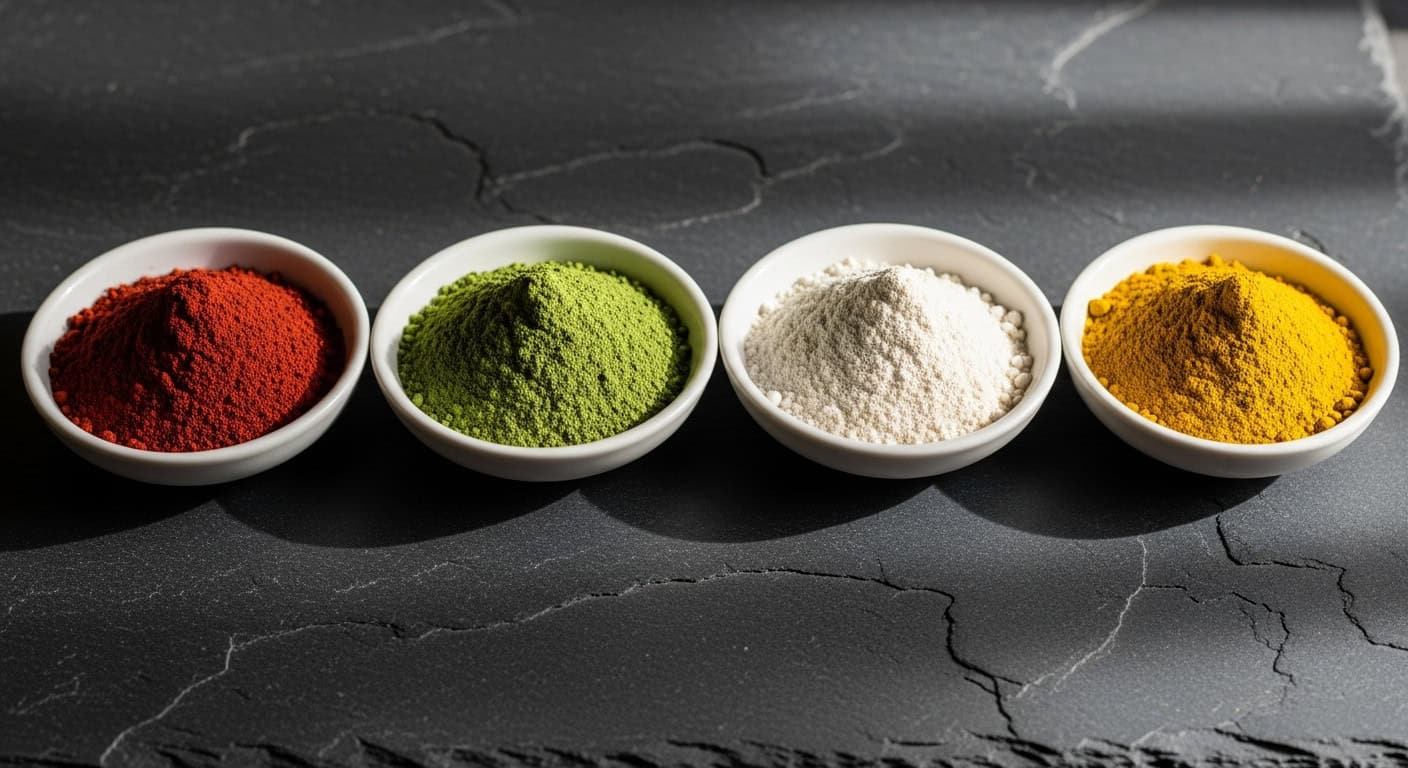
Red strains often have a darker overall appearance compared to other varieties. The leaves themselves, once processed into powder, typically have a deeper, more reddish-brown color. This visual difference makes it relatively easy to distinguish red vein products from their white and green counterparts, which tend to be lighter in color.

Many users appreciate that red vein Kratom offers a different experience than the other main varieties. This variety of options allows people to choose products that align with their preferences and the time of day they’re planning to use Kratom. Understanding this variety is key to finding what works best for you.

White Vein Kratom

White vein Kratom comes from younger leaves in the harvest cycle. These leaves are picked earlier in the maturation process, before the veins develop the red pigmentation that characterizes mature leaves. The result is a leaf with pale, almost whitish veins that gives this variety its name.

The white vein variety is often associated with more energizing characteristics within the Kratom community. Many people who use white vein products report experiencing increased alertness and focus. This has made white Kratom popular among those who use it during the workday or in situations requiring sustained attention.

White vein Kratom products include names like White Borneo, White Maeng Da, and White Sumatra. The “Maeng Da” designation is particularly common in the Kratom market and generally refers to products that are marketed as being particularly potent or having specific characteristics. However, it’s important to understand that naming conventions can vary between vendors.

White strains typically have a lighter color when processed into powder form. The overall appearance tends to be pale, almost off-white or cream-colored. This visual characteristic is consistent with the lighter vein color of the fresh leaves and helps distinguish white products from the darker red varieties.

The difference between white vein Kratom and other varieties is often described in terms of their perceived effects. While red varieties are frequently associated with relaxation, white varieties are more often discussed in the context of energy and alertness. Green varieties typically fall somewhere in between these two profiles.

Understanding the distinctions between white, red, and green varieties allows you to make more informed decisions about which products might suit your needs. Many Kratom enthusiasts keep multiple varieties on hand, choosing different ones based on the time of day or their specific goals at any given moment.

Green Vein Kratom

Green vein Kratom represents a middle ground between red and white varieties. These products come from leaves harvested at an intermediate stage of maturation, when the veins have developed beyond the white stage but haven’t yet reached the full red coloration. This timing captures a balance of characteristics that many users find appealing.

The green vein variety has gained a loyal following precisely because it offers a blend of qualities associated with both red and white products. Users often describe green Kratom as providing a more balanced experience that includes elements of both energy and relaxation. This versatility has made green varieties a favorite for many people who use Kratom regularly.

Green vein Kratom products include names like Green Malay, Green Borneo, and Green Indo. Each of these origin-based names refers to products sourced from specific regions, which may have slightly different characteristics based on local growing conditions and processing methods. Exploring different regional varieties can be part of finding your preferred products.

The color of processed green vein Kratom powder is, as you might expect, greenish. It typically appears as a lighter or darker shade of green depending on the specific product and how it was processed. This color falls between the pale appearance of white Kratom and the darker brownish-red of red varieties.

One of the advantages of green vein Kratom is its flexibility. Because it offers a balanced profile, many people find green varieties suitable for use throughout the day rather than being limited to morning or evening use like some red or white products. This adaptability contributes to its popularity among those new to Kratom as well as experienced users.

Yellow and Gold Vein Kratom

Beyond the three main vein colors, you may also encounter yellow and gold varieties in the Kratom market. These products don’t come from leaves with naturally yellow veins. Instead, they are created through special processing methods that alter the color and characteristics of the final product.

Yellow vein Kratom is typically produced by blending different colored Kratom powders or by using specific drying techniques that change the leaf’s chemistry. Some vendors ferment their Kratom leaves, which can result in a yellowish color in the processed powder. This processing step is said to create a unique experience that differs from standard red, white, or green varieties.

Gold vein Kratom follows a similar concept. These products often involve additional processing steps or careful selection of leaves that produce a golden-colored powder. The exact methods vary between manufacturers, and the characteristics of gold Kratom products can differ significantly from one vendor to another.

The existence of yellow and gold varieties demonstrates the creativity and experimentation that has developed within the Kratom industry. While red, white, and green remain the foundational categories, these specialty varieties offer additional options for consumers looking to explore more unique products.

If you’re interested in trying yellow or gold Kratom, it pays to research different vendors and read reviews from other users. Because these products aren’t standardized like the main three varieties, quality and characteristics can vary considerably. Starting with a small amount when trying a new vendor or product type is generally a good approach.

The Science Behind Vein Colors

The color of a Kratom leaf’s vein is related to its chemical composition, particularly the types and amounts of alkaloids present. As leaves mature, the concentration and ratio of different alkaloids change. This maturation process is why leaves harvested at different stages produce products with such different characteristics.

Research has shown that mitragynine is typically the most abundant alkaloid in fresh Kratom leaves, often making up about two-thirds of the total alkaloid content. However, the levels of other alkaloids, including 7-hydroxymitragynine, can vary significantly based on the leaf’s maturity and growing conditions. These variations contribute to the different experiences associated with different vein colors.

The processing methods used after harvesting also play a crucial role in determining final product characteristics. Drying techniques, fermentation, and storage conditions can all influence the alkaloid profile of the finished Kratom product. Some processing methods are specifically designed to enhance certain qualities, which is why you’ll see such a wide variety of products on the market.

Understanding that vein color is an indicator of the leaf’s maturity and corresponding alkaloid content helps explain why the three main varieties produce different experiences. This isn’t marketing hype or arbitrary categorization – it reflects real differences in the underlying chemistry of the plant material.

Scientists continue to study the chemistry of Mitragyna speciosa to better understand how its various compounds interact with the body. This research helps explain the traditional uses of Kratom in Southeast Asian cultures and provides insight into how modern Kratom products might work.

Regional Variations and Naming Conventions

Kratom products are often named after their region of origin, and this naming convention provides clues about the product’s characteristics. For example, Bali Kratom is named after the Indonesian island of Bali, while Malay Kratom comes from Malaysia. Each growing region produces Kratom with slightly different qualities based on local soil conditions, climate, and cultivation practices.

Indonesian Kratom, particularly from Borneo and Sumatra, represents a significant portion of the market. The climate and rainforest conditions in these areas are well-suited for growing high-quality Kratom trees, and the region has developed substantial expertise in processing and exporting Kratom products.

Thai Kratom holds historical significance as one of the original sources of Kratom for both local use and international trade. Malaysian Kratom, or Malay Kratom, is another well-established variety with its own loyal following. Each of these regional varieties has developed reputation for particular characteristics within the Kratom community.

The combination of vein color and origin creates numerous specific products. A vendor might offer Red Borneo, Green Malay, or White Thai, each representing a unique combination of leaf maturity and growing region. This variety allows consumers to find products that match their specific preferences.

When shopping for Kratom, it helps to understand that regional names are general indicators rather than strict specifications. Different vendors may source from the same region but use different processing methods, resulting in products with noticeably different characteristics. Building familiarity with trusted vendors is often more reliable than relying solely on product names.

How to Choose the Right Kratom Color

Choosing between red, white, and green Kratom comes down to understanding your own needs and preferences. There’s no universally “best” vein color – the right choice depends on what you’re looking for and how your body responds to different products.

Consider when you plan to use Kratom. If you’re looking for products to use in the morning or during the day when you need energy and focus, white vein varieties might be a good starting point. If you’re more interested in evening relaxation, red varieties are often recommended. Green varieties can work well for midday use or for those seeking a balanced experience.

Starting with smaller amounts is always wise when trying a new product. Everyone’s body chemistry is different, and what works well for one person may not be ideal for another. Taking time to explore different varieties and find your optimal approach is part of the journey for many Kratom enthusiasts.

Some people prefer to keep all three main varieties available, choosing which to use based on the day and their needs at any given moment. This flexibility is one advantage of the variety offered by the different vein colors. Others find that they naturally gravitate toward one particular type that works best for their situation.

Keeping a simple journal to track which products you try and how they work for you can be helpful. Recording the vein color, origin, and your observations about the experience allows you to identify patterns and refine your choices over time. This personal research often leads to better outcomes than relying solely on others’ recommendations.

Quality matters regardless of which vein color you choose. Sourcing Kratom from reputable vendors who test their products ensures you’re getting genuine Kratom products without harmful contaminants. This is an important consideration that should influence your purchasing decisions.

Storing Your Kratom Products

Proper storage helps maintain the quality of your Kratom over time. Like many botanical products, Kratom can degrade when exposed to heat, light, moisture, or air for extended periods. Taking simple precautions can help ensure your products remain fresh and effective.

Keeping Kratom in its original packaging, if that packaging is designed for storage, is often sufficient. Many vendors use resealable bags or containers that provide adequate protection. If you transfer Kratom to different containers, choosing options that are airtight and opaque helps prevent degradation.

A cool, dark place away from direct sunlight is ideal for storing Kratom products. Avoid locations near heat sources like stoves or radiators, as elevated temperatures can accelerate the breakdown of alkaloids and other compounds in the powder.

Most Kratom products maintain their quality for several months when stored properly. Over time, even well-stored Kratom may lose some potency, which is why many users prefer to purchase quantities they’ll use within a few months. Buying in bulk can be economical, but only if you have adequate storage and can use the product before it ages.

Checking for changes in color, smell, or texture can help you identify if Kratom has degraded. Fresh Kratom powder should have a relatively strong, characteristic aroma. If the smell seems weak or the color has changed noticeably, the product may have lost potency.

Common Questions About Kratom Vein Colors

Many people have questions about what distinguishes the different vein colors. Is white vein Kratom the strongest? Does red vein Kratom always come from the same type of tree? These questions come up frequently and deserve thoughtful answers.

The idea that one vein color is “stronger” than another is an oversimplification. Each variety has different characteristics, and strength depends on many factors including the specific product, dosage, and individual chemistry. Some people find white varieties work best for them while others prefer red – this variety in responses is normal and expected.

Vein color refers specifically to the appearance of the leaf’s veins, not a fundamental difference in the plant species. A single Mitragyna speciosa tree can produce leaves at different stages of maturity, which means the same tree could potentially yield red, white, or green leaves depending on when they’re harvested.

The processing and sourcing of Kratom products can matter as much as or more than the basic vein color. A high-quality green Kratom from a reputable source might work better for you than a lower-quality red product. This is why researching vendors and understanding product origins matters.

Understanding that all Kratom comes from the same plant species helps demystify the different varieties. The variety in products comes from harvesting timing, processing methods, and regional growing conditions – all factors that influence the final characteristics of the Kratom you purchase.

Building Your Kratom Knowledge

Learning about Kratom vein colors is just the beginning of building your knowledge about this botanical. As you explore different products and learn what works best for you, you’ll develop a deeper appreciation for the complexity and variety available in the Kratom world.

Reading about others’ experiences can be helpful, but remember that everyone’s body responds differently. What one person describes might not match your own experience exactly. Use community knowledge as a starting point for exploration rather than a definitive guide.

Understanding the basics of how Kratom is grown, harvested, and processed helps you make better purchasing decisions. When you know that vein color relates to leaf maturity and that processing affects final characteristics, you can ask better questions and evaluate products more critically.

The Kratom community continues to evolve as new products and processing methods develop. Staying curious and open to learning helps you adapt to this changing landscape and discover new options that might work well for you.

Approaching Kratom with respect and genuine curiosity tends to lead to better outcomes than treating it casually. Taking time to understand what you’re using and how it works creates a more thoughtful, informed relationship with the product.

Frequently Asked Questions

What Are the Different Vein Colors of Kratom?

Kratom leaves produce three main vein colors: red, white, and green. Red vein Kratom comes from mature leaves and is associated with relaxing characteristics. White vein Kratom comes from younger leaves and is often linked to energizing effects. Green vein Kratom falls between these two, representing an intermediate harvest stage that offers balanced properties. Beyond these primary colors, specialty products like yellow and gold Kratom exist, created through specific processing methods.

Is White Vein Kratom the Strongest?

The concept of “strength” in Kratom isn’t simply determined by vein color. White vein Kratom is typically associated with more energizing effects, which some people might interpret as strength, but this doesn’t mean it contains higher alkaloid content or works better for all purposes. Red and green varieties have their own strengths depending on what you’re looking for. Individual responses vary, and the “strongest” option depends entirely on your personal needs and goals.

What Does Green Vein Kratom Feel Like?

Green vein Kratom is often described as providing a balanced experience that combines qualities associated with both red and white varieties. Users frequently report experiencing calm alertness without the heavy sedation sometimes associated with red varieties or the intensity sometimes linked to white products. This makes green varieties popular for daytime use when you want to remain functional while experiencing Kratom’s characteristics.

What Colors Does Kratom Come In?

Kratom products are available in several colors beyond the basic three vein colors. The raw leaf only comes in red, white, and green vein varieties, but processing methods can create yellow, gold, and even occasionally other color variations in the finished powder. These specialty colors result from different drying techniques, fermentation, or blending of different Kratom varieties.

How Do I Choose Between Red, White, and Green Kratom?

Choosing the right Kratom color depends on when you plan to use it and what effects you’re seeking. White vein varieties work well for morning or daytime use when you want energy and focus. Red varieties are often preferred for evening use when relaxation is the goal. Green varieties offer versatility and work throughout the day. Many experienced users keep multiple varieties available to choose based on their daily needs.

Does Vein Color Affect the Taste of Kratom?

Vein color can influence the taste profile of Kratom powder, though all Kratom has a generally bitter, earthy taste that people often describe as similar to green tea but more pronounced. Red vein varieties sometimes have a slightly different bitter undertone compared to white or green, but the differences are subtle. Most people mix Kratom with beverages or foods to make consumption more pleasant regardless of vein color.

close-up of tropical green leaves with visible veins and natural lighting

Leave a Reply

Your email address will not be published. Required fields are marked *