
Blog
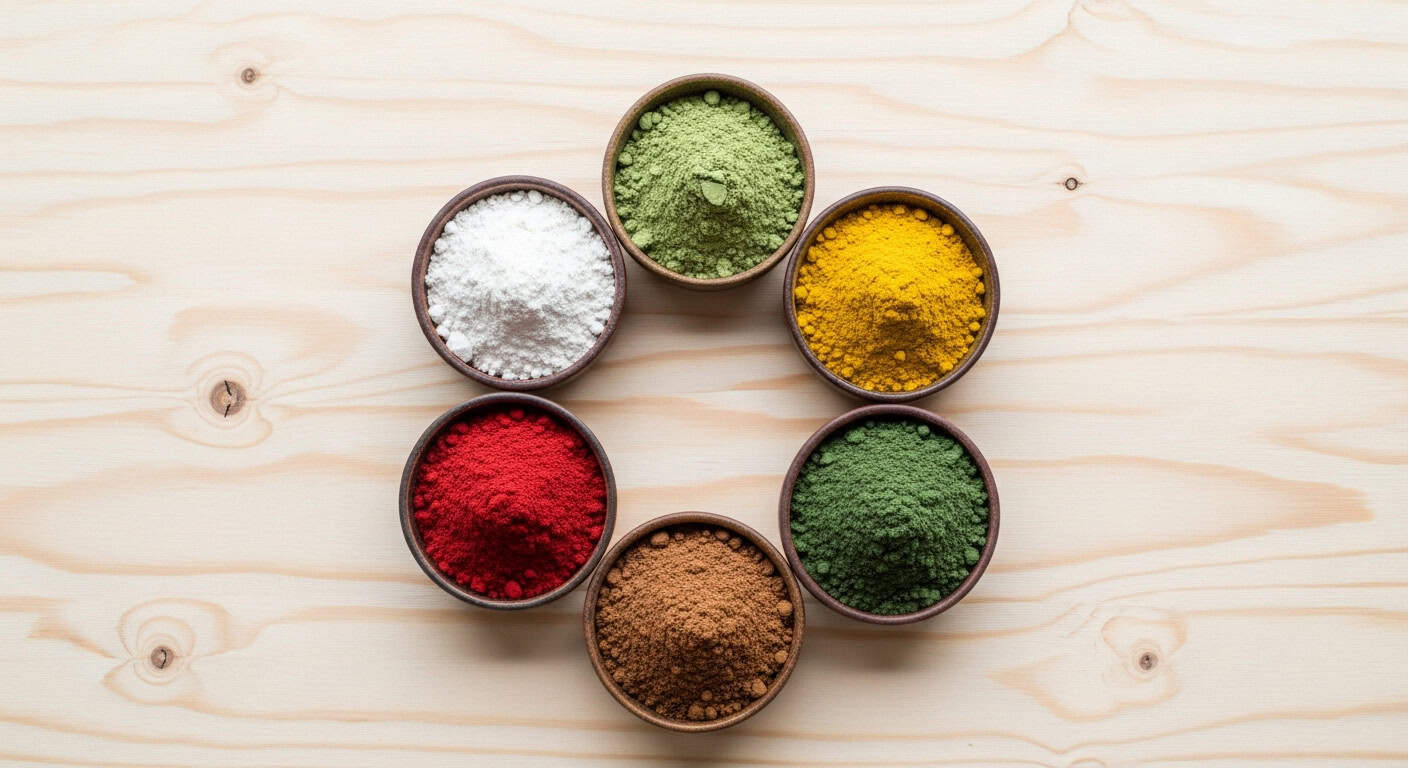
Two Ways Kratom Is Categorized
Walk into any kratom conversation and you’ll hear names thrown around fast. Red Bali. White Maeng Da. Green Malay. It sounds like a lot to keep straight, but there’s a simple logic underneath. Kratom gets sorted two ways, and once you understand both, the whole catalogue starts to make sense.
The first way is by vein colour. Look at a fresh kratom leaf and you’ll see a coloured vein running down the middle: red, green, or white. That colour shifts as the leaf matures and depends on how it’s dried and processed. Vein colour is the broadest bucket, and it’s the one most kratom users reach for first when they describe what they like.
The second way is by region or origin, the place the leaf was grown and harvested. Maeng Da, Bali, Borneo, Malay, Thai, Indo. These names point to a geography, a tradition, or a processing style rather than a single fixed recipe. Regional names and vein colours combine, which is why you’ll see something like “red vein Borneo” or “green Maeng Da” on a product label.
Both systems matter, and both describe the same plant, Mitragyna speciosa. We’ll keep the vein-colour explanation short here since we cover it in depth in a separate vein-colour guide. This page focuses on the full map: the colours, the regions, and how people talk about the different kratom strains.
Kratom Vein Colours at a Glance
Vein colour is the fastest shorthand for a kratom strain. Four categories show up again and again. None of these describe medical effects. They describe the reputations that kratom users have built up over years of informal, subjective reporting.
Red vein kratom. The red strain is the one most people picture first. Red vein kratom comes from more mature leaves and tends to be the most widely stocked. Users often describe red vein as the mellow, settled end of the spectrum, and it’s the category people gravitate toward for evening use. Red Bali and red Borneo are two of the most talked-about examples.
Green vein kratom. The green strain sits in the middle. Green vein kratom is picked from leaves at a middle stage of maturity, and users often describe it as the balanced, everyday option, something between the two poles. Green Malay and green Maeng Da get a lot of attention here.
White vein kratom. The white strain comes from younger leaves. White vein kratom has a reputation among kratom users for a brighter, more energizing character, which is why people tend to associate it with morning routines. White Maeng Da is a flagship example of the white strain.
Yellow and gold kratom. Yellow and gold aren’t really a fourth vein. There’s no yellow vein on the leaf. These names refer to a drying or blending process, sometimes an extended dry, sometimes a mix of other colours. Users often describe yellow and gold as smooth and rounded, a softened version of the greens and whites they started from.
Regional Kratom Strains
Region is where the different types of kratom get their personality, or at least their marketing. A regional name can point to where the leaf grew, an old trade route, or a particular way of handling the harvest. Here are the regional strains you’ll run into most.
Maeng Da
Maeng Da is the most famous name in kratom, full stop. The term roughly translates to “pimp grade” in Thai slang, which is old marketing language for top-shelf. Maeng Da isn’t a single place. It started as a label for a premium, carefully selected product, and it now comes in red Maeng Da, green, and white Maeng Da versions. Users consistently report Maeng Da as one of the more robust, full-flavoured strains, and it’s often the first thing a new customer hears recommended. Its reputation is built on a reported richness of kratom alkaloids rather than any proven effect.
Bali
Bali is the classic, the workhorse. Despite the name, much of what’s sold as Bali is grown across Indonesia and named for the port it historically shipped through. Red Bali is the headline version. Users often describe Bali as smooth and easygoing, a relaxed profile that made it a longtime favourite. It’s widely available, usually affordable, and a common starting point for people new to different kratom strains.
Borneo
Borneo comes from the large island shared by Indonesia, Malaysia, and Brunei, dense rainforest that’s ideal for Mitragyna speciosa. Red Borneo is especially popular. Users tend to report Borneo strains as calm and grounded, on the more relaxing side of the range. Borneo shows up in all three vein colours, so you’ll see red, green, and white versions on shelves.
Malay and Green Malay
Malay kratom grows in Malaysia, and Green Malay is the standout. Green Malay has an almost cult following among kratom users, who often describe it as balanced and long-lasting, an all-day kind of green strain. If Bali is the classic red and Maeng Da is the bold headliner, Green Malay is the one experienced users keep coming back to and recommending to friends.
Thai
Thai kratom traces back to Thailand, the plant’s traditional heartland. Thai strains, especially the greens and whites, carry a reputation among users for a brighter, more energizing character. Red Thai exists too and leans the other way. Note that Thailand banned kratom for decades before legalizing it again, so a lot of “Thai” leaf is now grown elsewhere using Thai-style genetics and processing.
Indo and Sumatra
Indo is short for Indonesian, and Sumatra points to that specific island. Indonesia supplies a huge share of the world’s kratom, so these are foundational names. Users often describe Indo and Sumatra strains as smooth and well-rounded, without sharp edges. They come in the full range of vein colours, and they’re a dependable pick for people who want something steady and unfussy.
The Strongest and Most Potent Kratom Strains
People ask about the “strongest” kratom strain constantly, and it’s worth being careful with that word. Strength, in any honest sense, isn’t something we can promise, because kratom isn’t approved to produce any specific effect and results vary wildly from person to person. What people usually mean by strongest is a strain reputed to be richer in kratom alkaloids, the naturally occurring compounds like mitragynine that lab testing can actually measure.
By that yardstick, Maeng Da wears the crown in most conversations. Its whole reputation is built on being a selected, premium leaf that users report as full and potent-feeling. Red Maeng Da and white Maeng Da both carry that billing. Green Malay is another name that comes up for reported intensity and staying power, and the various Borneo and Indo reds get mentioned for their reported depth.
Then there are extracts. Kratom extracts and enhanced powders are concentrated forms where alkaloids are pulled from a large amount of leaf and reduced down. They’re marketed as the most potent format by a wide margin. That concentration is exactly why caution matters, and why buying only lab-tested product with a verified alkaloid profile is non-negotiable. A lab report tells you what’s actually in the jar. Reputation doesn’t.
Bottom line: think of potency as reported alkaloid richness that testing can confirm, not as a guaranteed effect. Anyone claiming a strain will reliably do a specific thing to your body is selling, not informing.
How to Choose the Right Strain
Choosing the right strain gets easier once you stop looking for a perfect answer and start with your goal. Here’s a practical way to think about the different types of kratom without overthinking it.
- Start with vein colour. Reds get reported as the relaxed, evening end. Whites get reported as the brighter, energizing effects end, more of a daytime pick. Greens land in the middle. That’s the broadest, most useful filter.
- Then pick a region. Want a classic, easygoing red? Look at Bali or Borneo. Want a bold, reputed-rich profile? Maeng Da. Want a balanced green that experienced kratom users rave about? Green Malay.
- Begin with one strain, or grab a variety pack. Nobody nails their favourite on the first try. Buying a single strain to start, or a sampler of a few, lets you compare without committing to a big bag of something you may not reach for again.
- Expect your results to be your own. Effects vary by person. Two people can try the same red Bali and describe it completely differently. Body chemistry, tolerance, and expectation all play in. Someone else’s favourite is a starting hypothesis, not a guarantee.
- Buy lab-tested, always. Look for a seller that publishes third-party lab results and follows American Kratom Association (AKA) good manufacturing standards. That’s your real signal of quality, testing for contaminants and confirming the alkaloid content, not a flashy strain name.
One more thing that matters more than any strain choice: talk to a healthcare professional before you use kratom, especially if you take medication or have a health condition. Kratom has not been approved by Health Canada or evaluated by the FDA for safety or effectiveness, and it isn’t intended to diagnose, treat, cure, or prevent anything. Choosing the right strain is about matching a reputation to your preference, nothing more.
Frequently Asked Questions
What are the main types of kratom strains?
The different kratom strains break down two ways. By vein colour, you’ve got red vein, green vein, and white vein kratom, plus yellow and gold blends. By region, the big names are Maeng Da, Bali, Borneo, Malay, Thai, and Indo/Sumatra. Most products combine the two, like red Borneo or white Maeng Da.
What’s the difference between red, green, and white vein kratom?
The difference comes down to leaf maturity and processing, and it shapes each strain’s reputation. Red vein kratom, from mature leaves, gets reported as the relaxed, evening option. White vein kratom, from younger leaves, gets reported as brighter and more energizing. Green vein kratom sits in the middle. These are user-reported reputations, not medical effects.
Which is the strongest kratom strain?
There’s no official answer, because “strongest” isn’t a measurable medical claim. Maeng Da has the biggest reputation for being rich in kratom alkaloids, and extracts are the most concentrated format. The only reliable way to know what’s in a product is a third-party lab report showing its alkaloid profile.
Is Maeng Da a place?
No. Maeng Da is a grade, not a location. The name is Thai slang for top-tier or “pimp grade,” originally used to market a premium, hand-selected leaf. It’s sold in red Maeng Da, green, and white Maeng Da versions and is grown in several regions.
Is kratom legal and safe to use in Canada?
Kratom is sold in Canada, but Health Canada has not approved it for human consumption, and the FDA has not evaluated it as safe or effective. It’s marketed as a botanical, not a health product. Buy only lab-tested kratom from a seller following American Kratom Association standards, and check with a healthcare professional before using it.
You can buy kratom online in Canada from Kratom Earth: lab-tested powder and capsules, shipped from British Columbia.

Keep reading: How Kratom Works in the Body · Kratom Ontario 2026: What Ontario Is Searching For · How to Buy Kratom with e-Transfer in Canada

Can You Fly With Kratom? Canada, US and International Rules
Flying with kratom is legal within Canada and most US states, and risky abroad. TSA and CATSA rules, packing tips, powder limits, and where never to bring it.

HMG Kratom Review: Phone Orders and the 7-OH Question
HMG Kratom takes orders by phone with little public info. Our review covers what’s verifiable, plus the 7-OH concentrate warnings every buyer should read.