
Blog
How to Take Kratom: Mixing, Timing & Travel
Kratom comes from the leaves of Mitragyna speciosa, a tree native to Southeast Asia where the leaves have a long history of traditional use. These days most people buy it as a dried powder, in capsules, or as a concentrated kratom extract. If you’re new to it, the mechanics matter more than you’d think. How you take kratom, what you mix it with, when you eat, even how you pack it for a trip. Get those right and the experience is smoother.
This guide walks through the practical stuff. No dosing charts. We won’t tell you how much to take, because that varies a lot from person to person and it’s a conversation for you and a healthcare professional. What we can do is cover the methods, the mixing tricks, the storage basics, and what you need to know before you fly with it. One thing up front, said plainly: Health Canada has not approved kratom for human consumption, and neither has the FDA. Everything below describes what kratom users report, not medical advice.
Common Ways to Take Kratom
There’s no single right way. People land on a method that fits their routine and their tolerance for the taste. Because the taste is a factor. Kratom is bitter, earthy, kind of grassy. Nobody’s mixing it for the flavor.
- Toss and wash. The classic. You put a measured amount of kratom powder in your mouth and wash it down fast with water or juice. Quick and no dishes. The downside is obvious, you taste it, and some people gag on dry powder. A sip of liquid first can help.
- Mixing powder into drinks. Stir it into juice, a smoothie, or another strong-flavored liquid. More on this below, since it’s where most people end up.
- Capsules. Pre-filled capsules skip the taste entirely. Convenient, portable, discreet. The trade-off is that your body has to break down the capsule shell first, so some users say onset feels a touch slower.
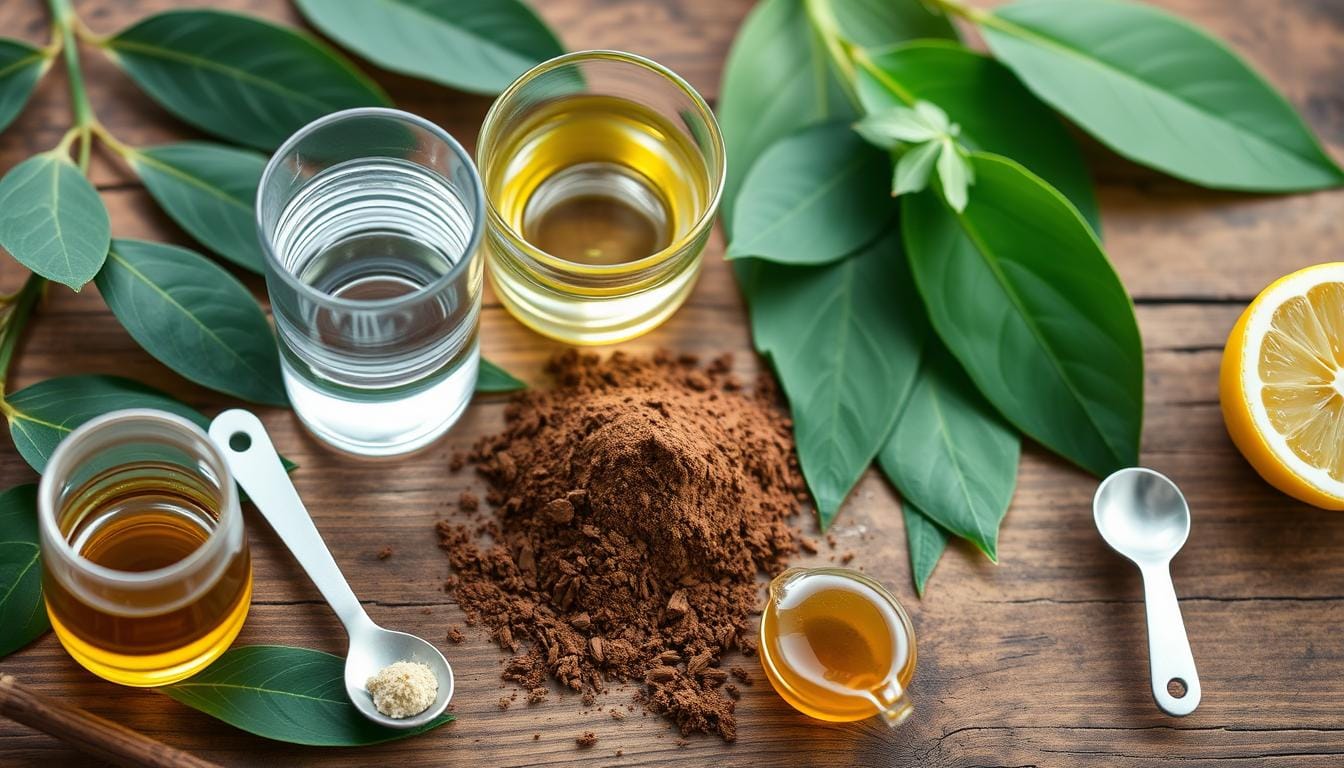
- Kratom tea. A traditional preparation. You steep kratom powder or crushed leaf in hot water, sometimes strain it, and drink it like any other tea. A squeeze of lemon and some honey make it far more palatable. Heat can affect the alkaloids, so many people avoid a hard boil.
Kratom extract is a different animal. It’s concentrated, so the way people use it differs from loose powder. If you’re using an extract, treat it as its own thing rather than swapping it one-for-one with powder.
Mixing Kratom Into Drinks and Food
The goal when mixing is simple. Cover the bitterness without fighting the powder’s tendency to clump and float. Some pairings do that well.
Citrus juice is the go-to. Orange, grapefruit, lemonade. The acidity and strong flavor mask a lot, and citrus blends easily. Smoothies are the other favorite, a banana-and-berry base hides the earthiness and the thickness keeps the powder suspended instead of settling at the bottom of the glass. Chocolate almond milk, a mango lassi, anything bold and a little sweet tends to work.
What to skip? Thin, watery, or plain drinks. Water alone barely masks anything and the powder floats. Hot coffee is a mixed bag, the bitterness can stack rather than cancel out. And a warning that matters more than taste: don’t mix kratom with alcohol. Combining the two is a real risk, not a flavor issue, and we’ll come back to that.
A few things that make mixing less of a chore:
- Add a splash of liquid first and make a paste, then top up. Fewer clumps.
- Use a shaker bottle or a small whisk. A spoon rarely gets it fully dissolved, kratom doesn’t truly dissolve, it suspends.
- Drink it reasonably quickly. The longer it sits, the more it separates and the grittier that last mouthful gets.
- Cold and strong beats warm and mild for masking.
Mixing into food works too, applesauce, yogurt, a spoon of peanut butter. Just know that folding it into a full meal changes the timing, which brings us to the next part.
Kratom and Food — Empty vs Full Stomach
This is one of the most common questions kratom users ask, and the honest answer is that it comes down to personal preference and how your own body responds.
A lot of people report that taking kratom on a relatively empty stomach feels faster and more noticeable. Less food in the way, quicker onset. That’s the reasoning behind the common habit of taking it a little while before a meal rather than right after a big one. On the flip side, an empty stomach doesn’t sit well with everyone. Some users say kratom on nothing at all leaves them queasy.
Eating after taking kratom is where a lot of people find their balance. Take it first, wait a bit, then eat. That way the effects have a chance to come on before food enters the picture, and you avoid the empty-stomach nausea. There’s no rule here and no research-backed schedule, just patterns that kratom users describe. Fatty, heavy meals right beforehand tend to slow things down the most.
If you’re prone to an upset stomach, a light snack, some ginger tea, staying hydrated, these are the usual go-tos people mention. Pay attention to how you feel and adjust. Your pattern won’t match your friend’s, and that’s normal.
Timing and Storage
Kratom is a botanical, and like any dried plant product it degrades over time. Air, heat, light, and moisture are what wear it down. The alkaloids that give kratom its character, mitragynine chief among them, break down faster when the powder is exposed.
Storing it well isn’t complicated:
- Airtight. A sealed container or a resealable bag with the air pushed out. Limiting oxygen slows oxidation.
- Cool. Room temperature or below, away from the stove, the oven, anything warm. Some people freeze larger stashes they won’t use for a while, sealed tight to keep moisture out.
- Dark. UV light degrades the alkaloids. A cupboard or pantry beats a sunny counter.
- Dry. Moisture is the enemy, it invites mold and clumping. Keep it away from the sink and the bathroom.
Stored properly, kratom powder keeps its freshness for a good while, often up to a year or so, though it’s freshest early on. Buy amounts you’ll actually get through. If your kratom smells off, looks discolored, or has clumped from damp, retire it. Fresh product, sealed and stashed in a cool dark spot, is the whole game.
Traveling With Kratom
Bringing kratom on a trip is doable, but it takes a little homework, because the legal picture is genuinely patchy.
Inside Canada, kratom is legal to possess. It’s sold as an incense or botanical product rather than something approved for consumption, but carrying it domestically isn’t a problem. Travel outside the country and the rules change fast. Kratom is banned or restricted in a number of countries, and some places treat possession seriously. Even within the United States it’s uneven, kratom is legal federally but banned in several states and municipalities. The rule of thumb is simple: check the laws of your exact destination before you go, and check any place you’re merely connecting through. Don’t assume.
Once you’ve confirmed it’s allowed where you’re headed, a few practical habits:
- Keep it labelled. Original packaging with a clear product label beats a mystery bag of green powder. Unlabelled powder invites questions at security, and you don’t want that conversation.
- Carry-on vs checked. Either can work where kratom is legal. Carry-on keeps it with you and avoids lost-luggage headaches, but powders over a certain volume can get extra screening at security, so build in time. Checked bags draw less attention to powder but you lose sight of it.
- Discreet, sealed packaging. Keep containers sealed to prevent spills and to keep the powder fresh in transit. Discreet is fine, disguised is not, don’t repackage it into something misleading.
- Carry a sensible amount. A personal quantity for your trip reads very differently than a bulk supply.
If there’s any doubt about a destination’s stance, the safest move is to leave the kratom home and sort it out when you arrive somewhere it’s legal. Traveling with kratom is fine when the law’s on your side. It’s not worth a customs problem when it isn’t.
Responsible Use
Here’s the part we won’t dress up. Kratom carries real risks, and using it thoughtfully means being honest about them.
Amounts vary enormously between people, which is exactly why we don’t publish numbers. What one person uses may be very different from what suits someone else, and there’s no official guidance to point to, Health Canada has not approved kratom for human consumption and the FDA hasn’t approved it for any use either. If you’re going to use it, the sensible approach that experienced kratom users describe is to start conservatively and pay attention to how you respond, rather than following someone else’s routine.
A few non-negotiables:
- Don’t combine it with alcohol. Or with sedatives, opioids, or other substances that affect the central nervous system. These combinations are where a lot of the serious adverse effects show up.
- Mind interactions. Kratom can interact with prescription medications. If you take anything regularly, or you have a health condition, talk to a healthcare provider before using it.
- Know that dependence is possible. Regular use can lead to tolerance and dependence, and stopping can bring withdrawal for some people. This is well documented among frequent kratom users.
- Watch for adverse effects. Nausea, dizziness, constipation, and others have been reported. If something feels wrong, stop and seek medical advice.
Kratom isn’t approved to treat, cure, or prevent anything, and we’re not claiming it does. The effects people describe are self-reported experiences, not medical outcomes. A healthcare professional who knows your history is the right person to weigh in before you start.
Frequently Asked Questions
What’s the best way to take kratom for beginners?
There’s no single best method, it’s about what you’ll tolerate. Capsules skip the bitter taste and make amounts easy to keep track of, which is why a lot of newcomers start there. Others prefer mixing kratom powder into citrus juice or a smoothie. Toss and wash is fastest but the taste hits hardest. Try a method, see how it sits, adjust.
Can I mix kratom with juice or coffee?
Juice, yes, citrus juice especially is a favorite because it masks the bitterness well. Coffee is hit or miss since the bitterness can compound rather than cancel. What you should not do is mix kratom with alcohol or other sedatives, that’s a safety issue, not a taste one.
Should I take kratom on an empty or full stomach?
Kratom users report both. An emptier stomach tends to feel faster but can cause nausea in some people, while eating after taking kratom, or with a light snack, is gentler on the gut. It’s personal. Experiment a little and notice what your body prefers.
Is it legal to travel with kratom?
Within Canada, kratom is legal to possess, so domestic travel is generally fine. Internationally it’s a different story, kratom is banned or restricted in various countries and several US states, so check the specific laws of your destination and any connection before you pack it. Keep it labelled in its original packaging.
How should I store kratom to keep it fresh?
Airtight, cool, dark, and dry. Keep kratom powder in a sealed container away from heat, sunlight, and moisture, a pantry or cupboard works well. Stored that way it holds its freshness for months. If it smells off or has clumped from damp, replace it.
Kratom is a botanical with a long traditional history and a genuinely mixed legal and safety picture. Take it in a way that suits you, store it properly, respect the laws wherever you travel, and loop in a healthcare professional before you make it a habit. Health Canada and the FDA haven’t approved it, the risks are real, and informed, conservative use is the only responsible way to go.

Kratom Ontario 2026: What Ontario Is Searching For
Kratom trends in Ontario for 2026: the strains people search for, why buyers go online, and the legal facts, from a lab-tested Canadian vendor.
Understand Kratom Lab Testing and Certificate of Analysis
Kratom lab testing is the process of sending kratom powder or capsules to an independent laboratory to measure alkaloid potency