
Blog
How Kratom Works in the Body
Kratom comes from the dried leaves of the Mitragyna speciosa tree, a tropical plant that grows throughout Southeast Asia. For centuries, people in countries like Thailand, Malaysia, and Indonesia have used the leaves of this tree in traditional practices. Today, millions of people worldwide explore what this plant has to offer, making it one of the most discussed botanical substances in modern wellness circles.
The growing interest in Kratom stems from its unique interaction with the human body. Unlike many substances, Kratom produces a range of effects that can vary based on how much someone takes. Understanding how Kratom works requires looking at both where it comes from and what happens when its compounds enter your system. This knowledge helps anyone curious about Kratom make sense of the experiences others describe.
The Origins of Kratom
Mitragyna speciosa belongs to the coffee family, a botanical connection that surprises many people. The tree grows natively in the humid forests of Southeast Asia, where it thrives in the rich, tropical soil. These trees can reach impressive heights, sometimes growing over 80 feet tall in the wild. However, when cultivated for harvest, farmers often keep them smaller to make leaf collection easier.
The people who use Kratom in Southeast Asia have done so for generations. Workers in traditional settings would chew the fresh leaves or brew them into teas to help get through long days of physical labor. Farmers found that using Kratom helped them maintain focus and energy during demanding work periods. This historical use provides context for understanding why people today remain interested in this botanical.
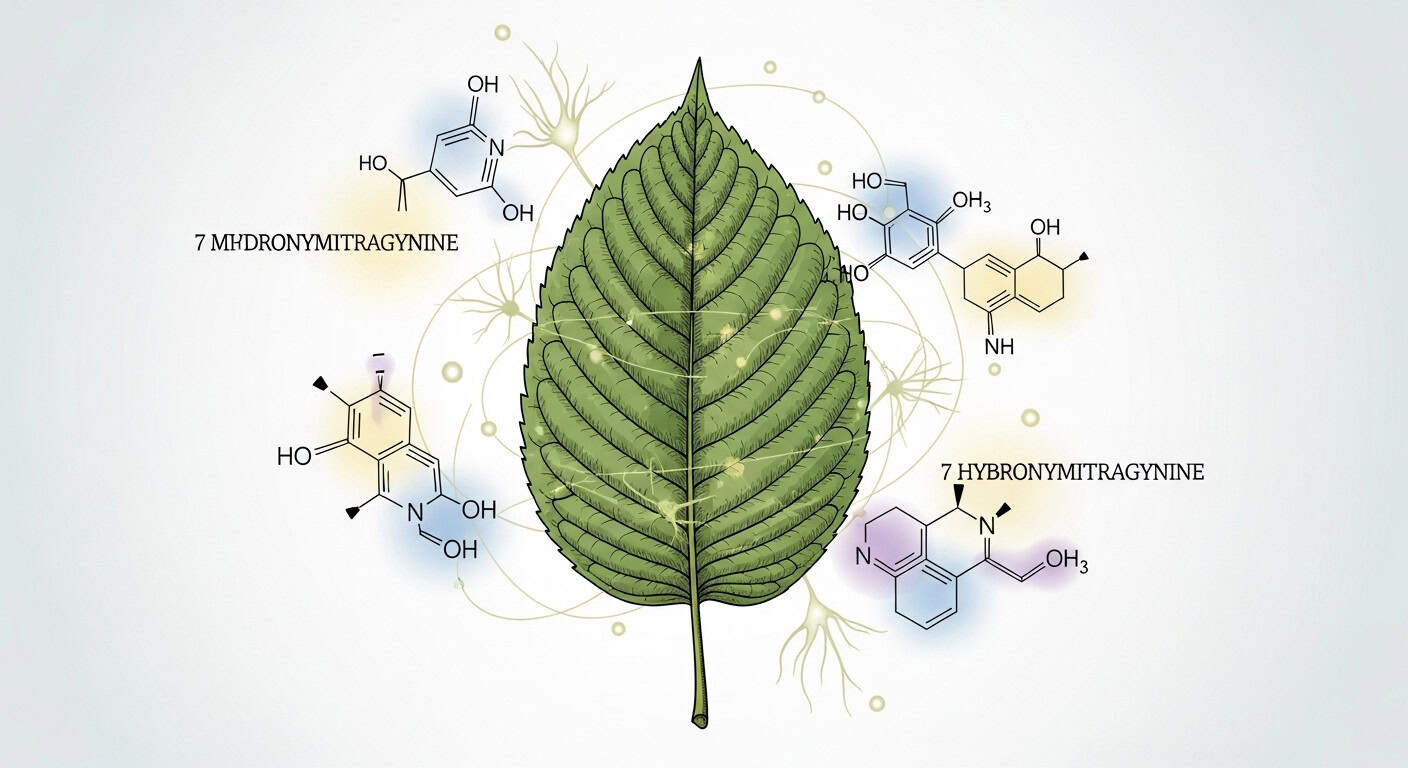
The leaves of the Kratom tree contain the compounds that create its effects. These leaves have a distinctive appearance, with dark green coloring and a smooth texture. When harvested, the leaves can be processed into various forms that people find convenient for different purposes. The method of processing and the specific leaves used can influence the characteristics of the final Kratom product.
Traditional Harvesting Methods
Farmers in Southeast Asia typically harvest Kratom leaves by hand, selecting mature leaves from the trees. The timing of harvest matters because the compounds in the leaves can vary based on the season and the age of the leaves. Experienced harvesters know how to identify which leaves will provide the desired characteristics.
After harvesting, the leaves go through processing that preserves their active compounds. Some methods involve drying the leaves in sunlight, while others use indoor drying techniques. The drying process itself can influence the final product’s color and properties. Different traditional methods have developed over time, each producing a distinct type of Kratom.
The labor-intensive nature of traditional harvesting helps explain why quality matters so much when selecting Kratom products. People who use Kratom often pay attention to where and how it was sourced. Understanding the origins of Kratom connects the modern product back to its botanical roots.
The Active Compounds in Kratom
The effects of Kratom come primarily from two alkaloid compounds found in the leaves. Mitragynine is the most abundant of these compounds, making up about two-thirds of the total alkaloid content in typical Kratom leaves. The second important compound is 7-Hydroxymitragynine, which is present in smaller quantities but appears to be particularly potent.
These alkaloids belong to a class of compounds called indole alkaloids, which occur naturally in many plants. The specific combination and concentration of these compounds in Kratom leaves creates the plant’s unique profile. Different strains and varieties of Kratom can have varying alkaloid compositions, which may influence the overall experience.
Scientists have studied these compounds extensively in recent years. The pharmacology and toxicology of Kratom compounds shows interesting patterns in how they interact with human biology. Researchers continue to explore the mechanisms through which these alkaloids produce their effects. This ongoing scientific interest reflects the complexity of how Kratom works.
Understanding Alkaloids
Alkaloids are nitrogen-containing compounds that plants produce as part of their natural metabolism. Many common substances contain alkaloids, including caffeine, morphine, and nicotine. These compounds often have significant effects on human biology, which is why plants containing them have been used traditionally across cultures.
The alkaloids in Kratom interact specifically with certain receptors in the nervous system. These receptors normally respond to compounds the body produces naturally, but they can also be influenced by external substances. The particular way that Kratom’s alkaloids interact with these receptors determines the effects people experience.
The concentration of alkaloids in any given Kratom product depends on many factors. The specific variety of plant, growing conditions, harvesting timing, and processing methods all play a role. People who use Kratom regularly often develop preferences for products with particular alkaloid profiles.

How Kratom Interacts with the Body
When someone takes Kratom, whether by consuming it in traditional ways or using a modern Kratom product, the compounds enter the digestive system. From there, they get absorbed into the bloodstream and distributed throughout the body. The alkaloids then travel to various tissues, where they interact with specific biological targets.
The primary targets for Kratom’s compounds are opioid receptors in the nervous system. These receptors normally bind to the body’s own opioid peptides, which regulate pain sensations and emotional responses. Kratom’s alkaloids can bind to these same receptors, though they do so in somewhat different ways than pharmaceutical opioids.
This interaction with opioid receptors explains many of the effects people report when using Kratom. The degree of activation depends on which alkaloids are present and in what amounts. This receptor interaction forms the foundation of how Kratom works in the body.
The Opioid Receptor Connection
Opioid receptors come in several types, each with different functions in the body. The mu-opioid receptors primarily influence pain sensation and feelings of well-being. Delta-opioid receptors play roles in emotional regulation and reward responses. Kappa-opioid receptors are involved in pain perception and stress responses.
Kratom’s compounds interact most strongly with the mu-opioid receptors. Mitragynine shows particular affinity for these receptors, creating effects that resemble some aspects of opioid activity. However, the interaction is not identical to what pharmaceutical opioids produce. This distinction matters for understanding the unique character of Kratom’s effects.
The binding affinity of Kratom’s alkaloids to opioid receptors determines how strongly they influence these systems. 7-Hydroxymitragynine binds more potently than mitragynine, despite being present in smaller amounts. The combination of these compounds creates the overall effect profile that people experience when using Kratom.
Dose-Dependent Effects
One of the most distinctive aspects of Kratom is how its effects change based on the amount taken. At lower doses, people who use Kratom often report energizing and stimulating effects. These lower-dose effects can include increased alertness, improved focus, and greater physical stamina. Many people describe feeling more motivated to complete tasks when taking smaller amounts.
As the dose increases, the effects tend to shift toward sedation and relaxation. Higher amounts of Kratom can produce more pronounced feelings of calm and contentment. Some people who use Kratom report experiencing a sense of peaceful well-being at these higher levels. The transition between stimulating and sedating effects depends on individual factors as well.
The dose-dependent nature of Kratom means that users can tailor their experience by adjusting how much they take. This flexibility contributes to the variety of ways people incorporate Kratom into their routines. Understanding this relationship helps anyone exploring Kratom make informed decisions about dosing.
Finding the Right Amount
Starting with a smaller amount is generally advisable for anyone new to Kratom. This approach allows the body to respond and helps identify individual sensitivity levels. The effects can vary significantly from person to person based on factors like body weight, metabolism, and personal chemistry.
Most people find that a moderate dose produces the most balanced results. This sweet spot varies by individual, but many experienced users describe it as providing both energy and relaxation without overwhelming effects. Paying attention to how your body responds helps refine the ideal amount over time.
Taking Kratom on an empty stomach typically produces faster and more pronounced effects compared to taking it with food. This consideration matters when planning when and how to use Kratom. The timing of use relative to meals is a practical factor that influences the experience.
Metabolism and Duration
After taking Kratom, the body begins processing the alkaloids through the liver. Enzymes there break down mitragynine and 7-hydroxymitragynine into metabolites that can be eliminated from the body. This metabolic process takes time, which is why the effects of Kratom last several hours rather than fading quickly.
The half-life of Kratom’s compounds refers to how long it takes for half of the substance to be processed and eliminated. Research suggests that mitragynine has a half-life of approximately 24 hours, which means the compound persists in the body for a considerable duration. This longer half-life contributes to the sustained nature of Kratom’s effects.
Most people who use Kratom report that the primary effects last between three and six hours. The exact duration depends on the dose taken, individual metabolism, and other personal factors. Some residual effects may be noticed for longer, even after the peak experience has passed.
Factors Affecting Metabolism
Individual differences in liver enzyme activity significantly influence how quickly someone processes Kratom. Genetic variations in these enzymes are common, which explains why two people taking identical amounts might experience different durations of effect. This variability is a normal aspect of how substances interact with human biology.
Age can also play a role in how the body handles Kratom compounds. Generally, younger individuals tend to have more robust metabolic function. Overall health status influences metabolism as well, with various bodily systems contributing to the processing and elimination of foreign compounds.
Hydration levels and general wellness practices can subtly affect how someone experiences Kratom. Staying well-hydrated supports overall metabolic function. These practical considerations fall under the broader category of how lifestyle factors influence any substance’s effects on the body.
The Pharmacology of Kratom
The broader pharmacology and toxicology of Kratom reveals additional complexity beyond simple receptor interactions. Kratom’s alkaloids appear to influence multiple neurotransmitter systems in addition to opioid receptors. These include serotonin and norepinephrine pathways, which affect mood and alertness respectively.
The multi-targeted nature of Kratom’s compounds helps explain the range of effects people report. Rather than producing a single, narrow effect, Kratom seems to influence several systems simultaneously. This complexity contributes to what makes understanding Kratom scientifically interesting.
Research into the pharmacology of Kratom continues to reveal new information about how these compounds work. Scientists use various methods to study the interactions between Kratom alkaloids and biological systems. Each new study adds to our understanding of this botanical substance.
Beyond Opioid Receptors
The serotonergic effects of Kratom’s compounds may contribute to mood-related experiences some users describe. Serotonin plays important roles in emotional regulation and general sense of well-being. The interaction between Kratom and serotonin systems remains an area of ongoing research.
Norepinephrine involvement helps explain some of the energizing effects associated with lower Kratom doses. This neurotransmitter influences alertness, focus, and the body’s stress response. The relationship between Kratom and norepinephrine systems adds another dimension to understanding its effects.
These additional mechanisms suggest that Kratom works through multiple pathways simultaneously. The combined effect of influencing various neurotransmitter systems creates the complex experience that people describe. This multi-faceted pharmacology makes Kratom a scientifically fascinating subject.
Therapeutic Potential of Kratom
Many people who use Kratom describe seeking out its potential benefits for various purposes. The stimulating effects at lower doses have made it popular among those looking for natural support with physical tasks. Workers in demanding fields have historically used Kratom to help maintain energy throughout long shifts.
The more relaxing effects at higher doses appeal to people seeking calm and tranquility. Some individuals incorporate Kratom into their evening routines for this purpose. The versatility of Kratom effects allows for different applications depending on what someone is looking for.
While research continues to explore the full range of Kratom’s potential, the experiences shared by users provide valuable practical insights. The community of people who use Kratom has developed extensive knowledge about different applications. This collective wisdom supplements scientific research in understanding how people might use Kratom effectively.
Common Reasons People Explore Kratom
Physical wellness support represents one of the most frequently cited reasons people become interested in Kratom. The analgesic properties that some users describe stem from its interaction with pain-sensing pathways. These effects relate to how Kratom’s compounds influence the nervous system’s pain processing.
Mental wellness applications also draw people to explore Kratom. The mood-supporting effects that some users report have contributed to its popularity in this area. However, anyone interested in Kratom for such purposes should approach it thoughtfully and gather good information.
Social and lifestyle reasons also motivate many people to try Kratom. Some appreciate the ritual aspect of preparing and using botanical products. Others value having options available for different situations and needs. These personal motivations reflect the diverse ways Kratom fits into people’s lives.

Methods of Using Kratom
People who use Kratom have developed various methods for consuming this botanical. The most traditional approach involves preparing the dried leaves as a tea or beverage. This method honors the historical use of Kratom in Southeast Asian cultures and provides a pleasant way to take it.
Modern convenience has brought other options for using Kratom. Powdered Kratom made from dried and ground leaves offers versatility in how it can be consumed. Some people mix the powder with beverages, while others encapsulate it for easier handling. These options make incorporating Kratom into daily routines more convenient.
Choosing how to use Kratom often comes down to personal preference and lifestyle considerations. Some people prefer the ritual of traditional tea preparation, while others value the speed and simplicity of modern methods. Exploring different approaches helps identify what works best for individual needs.
Preparing Kratom Tea
Brewing Kratom tea involves steeping the leaves or powder in hot water, similar to preparing other herbal teas. The heat helps extract the active alkaloids from the plant material into the water. Many users find that adding a bit of lemon or other acidic ingredient helps with extraction efficiency.
The strength of the tea depends on how much Kratom is used and how long it steeps. Longer steeping times generally produce stronger results. Some people prefer to simmer their tea gently for an extended period to maximize extraction.
Drinking Kratom tea on an empty stomach typically produces faster effects than consuming it with food. The warmth of the beverage itself can be soothing and pleasant. Many people find the ritual of preparing and drinking Kratom tea to be an enjoyable part of their routine.
Understanding Kratom Products
The market for Kratom products has expanded significantly in recent years, offering consumers many choices. Quality varies considerably among different products, making it important to source from reputable vendors. People who use Kratom regularly often develop relationships with trusted suppliers who consistently provide good products.
The color of Kratom powder indicates the processing method and can influence its characteristics. Green vein Kratom comes from leaves with a greenish tint and tends to offer balanced effects. Red vein varieties, processed from leaves showing reddish coloration, often lean toward more sedating profiles. White vein Kratom typically provides more energizing experiences.
Understanding the terminology and product types helps consumers make informed choices. Vendors often describe their products using traditional strain names and vein colors. Learning what these designations mean enhances the ability to select appropriate products for individual needs.
Quality Indicators
Third-party testing has become increasingly important in the Kratom industry. Reputable vendors often have their products tested to verify alkaloid content and ensure purity. These test results can provide valuable information about what to expect from a particular product.
The source of Kratom affects its quality and characteristics. Kratom from established growing regions in Southeast Asia tends to have well-developed alkaloid profiles. The specific farms and processing facilities also influence final product quality.
Packaging and labeling provide clues about product handling and freshness. Proper packaging protects Kratom from degradation over time. Clear, informative labeling helps consumers understand what they are purchasing. These practical considerations matter when selecting Kratom products.
The Science Behind the Experience
The subjective experiences people report when using Kratom connect directly to its underlying mechanisms of action. The binding of mitragynine and 7-hydroxymitragynine to opioid receptors triggers downstream effects in the nervous system. These effects influence how pain signals are processed and how mood-regulating chemicals are released.
The cascade of neurochemical changes creates the overall experience that users describe. Feelings of alertness, calm, or well-being emerge from these complex interactions. The specific balance of effects depends on the individual compounds present and their concentrations.
This scientific perspective helps demystify how Kratom produces its characteristic experiences. Understanding that effects arise from specific biochemical interactions provides a rational framework for thinking about Kratom. This knowledge supports thoughtful use and realistic expectations.
Individual Variation
Everyone’s body processes substances slightly differently, and Kratom is no exception. Genetic variations in enzyme production and receptor structure influence individual responses. What works well for one person might be less suitable for another.
Body weight and composition affect how Kratom distributes through the body and how much is needed for desired effects. General metabolic rate also plays a role in how quickly effects onset and how long they last. These individual factors explain why finding the right approach requires some personal experimentation.
Tolerance can develop with regular use of Kratom, meaning that larger amounts might be needed over time to achieve similar effects. This phenomenon is common with many substances that interact with the nervous system. Being aware of this possibility helps users make conscious decisions about their consumption patterns.
Kratom and Daily Routines
Many people who use Kratom incorporate it into their regular routines for various purposes. Some take it in the morning to support energy and focus throughout the day. Others prefer afternoon or evening use to support relaxation after work demands. The flexibility in timing allows for personalized integration into different lifestyles.
Taking Kratom consistently at similar times each day helps establish predictable effects. The body adapts to regular use, and consistent timing supports this adaptation. However, some people prefer to use Kratom more sporadically, depending on their specific needs and preferences.
The ritual aspect of preparing and using Kratom can be meaningful in itself. Taking time for this routine can provide a moment of mindfulness in busy days. Some users find that the preparation process contributes to the overall positive experience of using Kratom.
Building a Sustainable Practice
Moderation and attentiveness help create sustainable patterns of Kratom use. Paying attention to how you feel and adjusting accordingly supports positive outcomes. Keeping track of what types and amounts work well can inform future decisions.
Taking breaks occasionally allows the body to reset and can help maintain sensitivity to Kratom’s effects. Some experienced users find that periodic breaks enhance their overall experience when they return to using Kratom. How long and how often to take breaks varies by individual preference.
Staying informed about Kratom continues to be valuable as new research emerges. The scientific understanding of how Kratom works in the body continues to develop. Remaining curious and open to new information supports informed decision-making about Kratom use.
The Community of Kratom Users
The community of people who use Kratom has grown substantially over the years. Online forums and social groups provide spaces for sharing experiences and knowledge. These communities offer practical insights that complement scientific research and personal experimentation.
Experienced users often generously share what they have learned about different products, dosages, and methods. This collective wisdom helps newcomers navigate the world of Kratom more confidently. The community aspect adds a social dimension to using Kratom.
Learning from others’ experiences while remembering that individual responses vary is important. What works well for one person might not be ideal for another. The community provides starting points and ideas that users can then adapt to their own circumstances.
Respectful Exchange of Ideas
Healthy communities encourage thoughtful discussion and mutual respect. Members share their perspectives without imposing their choices on others. This atmosphere supports learning and helps people make their own informed decisions.
Asking questions and seeking information from experienced users can accelerate understanding. Most community members are happy to help newcomers learn the basics. This supportive dynamic contributes to the overall positive character of the Kratom community.
The exchange of practical tips and real-world insights enriches everyone’s understanding of Kratom. Combining community knowledge with scientific information creates a well-rounded perspective. This approach helps people use Kratom in ways that align with their individual goals and preferences.
Frequently Asked Questions
What Is Kratom and Where Does It Come From?
Kratom refers to the products derived from the dried leaves of the Mitragyna speciosa tree, which grows natively in Southeast Asian countries like Thailand, Malaysia, and Indonesia. The leaves contain active compounds called alkaloids, primarily mitragynine and 7-hydroxymitragynine, that interact with the body’s systems to produce various effects. People have used Kratom leaves traditionally for centuries, and modern products now make it accessible to users worldwide.
How Does Kratom Work in the Body?
Kratom works by interacting with opioid receptors in the nervous system, primarily binding to mu-opioid receptors. The alkaloids mitragynine and 7-hydroxymitragynine are responsible for these interactions, which influence pain sensation, mood, and other nervous system functions. The effects vary based on dosage, with lower amounts typically producing stimulating effects and higher amounts often resulting in more sedating experiences. This mechanism of action forms the foundation of how Kratom produces its characteristic effects.
What Organs Does Kratom Affect?
Kratom is metabolized primarily by the liver, where enzymes process the active alkaloids into metabolites that can be eliminated from the body. The compounds then distribute through the bloodstream to various tissues, with significant effects occurring in the nervous system where opioid receptors are concentrated. The kidneys also play a role in eliminating processed compounds from the body over time.
What Effects Can People Expect When Using Kratom?
People who use Kratom report a range of effects including increased energy and alertness at lower doses, and relaxation with greater tranquility at higher doses. Individual experiences vary based on factors like body chemistry, tolerance levels, and the specific product being used. The versatility of effects makes Kratom suitable for different situations and personal preferences.
What Forms of Kratom Are Available?
Kratom is available in several forms including dried leaf powder, tea preparations, capsules, and extracts. Each form offers different advantages in terms of convenience, dosing precision, and onset time of effects. Traditional tea preparation remains popular for those who appreciate the ritual, while capsules and powders offer practical options for daily use.
How Long Do the Effects of Kratom Last?
The effects of Kratom typically last between three and six hours, depending on the dose and individual metabolism. Taking Kratom on an empty stomach generally produces faster onset but shorter duration compared to taking it with food. The alkaloids persist in the body for longer periods due to their half-life, with some residual effects potentially noticeable even after the primary experience has passed.