
Blog
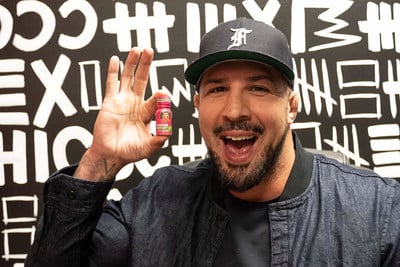
Brendan Schaub is a former UFC heavyweight turned comedian and podcaster who has discussed kratom, the Southeast Asian botanical Mitragyna speciosa, in conversations about supplements and recovery on his shows. He approaches the topic as an interested layperson sharing what he has heard rather than as an expert. This article covers the context of those conversations and the basics newcomers should know about kratom.
Understanding who Brendan Schaub is and how he approaches topics like Kratom requires looking at his background and the communities he influences. His podcast “The Fighter and the Kid” regularly covers topics ranging from comedy to health and fitness. When he discusses supplements or wellness products, his audience tends to listen closely. This article explores the connection between Brendan Schaub and Kratom, providing context and practical information for those curious about the subject.
Who Is Brendan Schaub
Brendan Schaub grew up in Colorado and pursued multiple athletic endeavors before finding his calling in mixed martial arts. He played football at the University of Northern Colorado and later transitioned into MMA, where he competed in the UFC heavyweight division. His fighting career gave him firsthand experience with the physical demands athletes face and the recovery methods they explore.
After retiring from professional fighting, Brendan Schaub shifted his focus to comedy and media. He began performing stand-up comedy and quickly developed a following for his conversational style and relatable humor. His ability to connect with audiences translated well to podcasting, where he could have extended conversations with guests from various industries.
The transition from athlete to entertainer positioned Brendan Schaub as a voice that audiences trust when discussing topics related to fitness, recovery, and wellness. He brings an athlete’s perspective to conversations about supplements and recovery methods, which resonates with fans who share similar interests.
The Fighter and the Kid Podcast
“The Fighter and the Kid” serves as Brendan Schaub’s primary platform for long-form conversations. Co-hosted with comedian Bryan Callen, the show covers sports, comedy, pop culture, and personal development. The podcast has built a loyal following over several years, with episodes regularly available on YouTube and major podcast platforms.
The YouTube presence of the show deserves particular attention. Video versions of podcast episodes attract hundreds of thousands of viewers, with some videos reaching into the millions. This visual format allows audiences to see the hosts’ reactions and body language during discussions, creating a more engaging experience than audio-only formats.
When guests appear on the show, conversations often drift into unexpected territory. Topics like supplements, recovery methods, and wellness products come up naturally during discussions about health and fitness. The conversational format encourages honest dialogue rather than scripted presentations.
Kratom Conversations on the Podcast
Discussions about Kratom have emerged during various podcast episodes over the years. Like many content creators in the fitness and wellness space, Brendan Schaub has explored the topic as part of broader conversations about supplements and natural products. The approach tends to be informational rather than promotional, focusing on what he has heard from guests or observed in his own circles.
Kratom comes from the leaves of the Mitragyna speciosa tree, which grows naturally in Southeast Asia. People have used it for centuries in traditional contexts, and it has gained attention in Western markets as a dietary supplement. The conversation around Kratom often includes perspectives from athletes, comedians, and wellness enthusiasts who have tried various forms including powder and pill preparations.
Brendan Schaub’s commentary on the subject reflects his general approach to wellness topics. He presents information he has gathered, acknowledges the experiences of others, and maintains an open but curious attitude. This balanced perspective resonates with audiences who appreciate authentic discussion rather than hard-sell presentations.
The YouTube Connection
YouTube plays a significant role in how conversations about Kratom spread through online communities. When Brendan Schaub discusses supplements or wellness products on his channel, clips often get shared across social media platforms. This organic sharing mechanism introduces new audiences to topics they might not have encountered otherwise.
Video content about Kratom takes many forms. Some creators produce educational content explaining what Kratom is and how people use it. Others share personal experiences and reviews. The visual nature of video allows viewers to see products, watch demonstrations, and gauge reactions in a way that written content cannot replicate.
The transcript of podcast episodes also circulates among fans who prefer reading to watching. These transcripts make conversations about topics like Kratom accessible to people who want to review specific points or share quotes with others. Searchable transcripts also help new audiences discover content through search engines.
Community Perspectives
The audience that follows Brendan Schaub represents a diverse mix of martial arts fans, comedy enthusiasts, and wellness-focused individuals. When Kratom comes up in conversation, the community response tends to reflect this diversity. Some listeners express curiosity and ask questions in comment sections, while others share their own experiences with the product.
Comment threads on YouTube videos often reveal the range of opinions within the community. Some people approach Kratom with enthusiasm based on personal positive experiences. Others show interest but want more information before forming opinions. The exchange of perspectives creates a collective knowledge base that benefits new members of the community.
The Fighter and the Kid community has shown interest in practical topics like optimal ways to use various supplements, product recommendations, and wellness routines. This practical orientation makes conversations about Kratom particularly valuable when they focus on real-world usage rather than abstract concepts.
Forms and Methods of Use
People who incorporate Kratom into their routines typically encounter it in several different forms. Powder represents the most traditional and versatile option. Users can mix powder into beverages or foods, though the taste takes some getting used to for newcomers. The flexibility of powder allows for precise control over serving sizes.
Pill or capsule forms have become increasingly popular for their convenience. Pre-measured capsules eliminate the need for weighing and mixing, making them ideal for people with busy lifestyles. Many users appreciate the portability of capsules, especially when traveling or maintaining routines outside the home.
Some enthusiasts experiment with different preparation methods to find what works best for their preferences. Adding Kratom to smoothies, teas, or other beverages can improve the experience compared to taking it with plain water. The method of use often becomes a personal preference informed by trial and error.
Kratom and Everyday Routines
Kratom fits into everyday routines through consistent timing, measured dosing, and a clear personal goal. Kratom enthusiasts often develop rituals around their usage, whether that means taking it in the morning with caffeine or reserving it for afternoon hours when energy tends to dip.
Athletes and active individuals sometimes explore Kratom as part of their recovery and wellness strategies. The connection to physical performance makes this particularly relevant to audiences following fighters and fitness enthusiasts like those in Brendan Schaub’s community. Users frequently share tips about timing doses around workouts or physical activities.
The comparison to other common substances comes up naturally in these discussions. Caffeine remains a staple for millions of people worldwide, and many find themselves curious about how Kratom might fit alongside their morning coffee or pre-workout routine. These comparisons help contextualize Kratom within the broader landscape of everyday supplements people already use.
The Role of Guest Conversations
Podcast formats thrive on guest appearances, and “The Fighter and the Kid” regularly features guests from various backgrounds. When guests bring expertise in wellness, nutrition, or supplements, conversations about products like Kratom tend to become more detailed and informative.
Guests might include nutritionists, fitness coaches, or other content creators who have explored Kratom in their own content. Their perspectives add credibility and depth to discussions that might otherwise rely solely on host opinions. Listeners benefit from hearing multiple viewpoints on the same topic.
The Joe Rogan Experience, another prominent podcast in the combat sports and comedy space, has also featured conversations about Kratom over the years. Many listeners draw connections between different podcasts and hosts, creating a broader ecosystem of information sharing. This cross-pollination of ideas helps topics gain visibility across multiple communities.
Building Knowledge Through Conversation
Learning about products like Kratom through conversational content differs from reading technical documentation. Podcast discussions allow hosts and guests toexplore nuances, share anecdotes, and respond to questions in real time. This format captures the messy reality of how people actually form opinions and make decisions about supplements.
When Brendan Schaub discusses Kratom, the conversation reflects how most people actually learn about new products. Friends recommend things, online communities share experiences, and content creators spark awareness. The organic nature of these discovery pathways often matters more than formal research for many consumers.
Building knowledge through conversation also means accepting that information evolves over time. What hosts discuss today might be refined or updated in future episodes based on new experiences or listener feedback. This dynamic quality keeps content fresh and relevant to engaged audiences.

Practical Tips for the Curious
Anyone curious about kratom should start by learning what it is, why they want to try it, and how to source it from a reputable vendor. Start by understanding what Kratom actually is and where it comes from. The botanical origins of Mitragyna speciosa provide important context for understanding the product in its broader natural context.
Consider why you are curious about Kratom in the first place. People explore new supplements for various reasons, whether that involves supporting an existing wellness routine, exploring alternatives to something they currently use, or simply satisfying intellectual curiosity. Clarifying your motivation helps you evaluate information more effectively.
Quality matters when exploring any supplement. People who use Kratom regularly often emphasize the importance of sourcing products from reputable vendors. Taking time to research vendors, read reviews, and understand labeling can make a meaningful difference in the overall experience.
Understanding Personal Preferences
Personal preference shapes kratom use heavily, since the strain, dose, and format that suit one person may not suit another. What works well for one person might not suit another’s preferences or lifestyle. Personal experimentation, guided by general principles, helps individuals find their own optimal approaches.
Some people prefer the ritual aspect of preparing traditional preparations like tea. Others value the convenience of modern formats like capsules. Still others appreciate the flexibility of powder that allows for customized dosing. The diversity of available forms means there is likely an option that fits most preferences.
Tracking your own experiences helps inform future decisions. Keeping simple notes about what you tried, how much you used, and how you felt can reveal patterns over time. This self-knowledge proves valuable whether you are exploring Kratom or any other supplement.
The Wellness Community Connection
Content creators like Brendan Schaub exist within larger wellness communities that share information and support each other’s journeys. These communities extend beyond any single podcast or YouTube channel, creating networks of people who discuss similar topics across multiple platforms.
The Fighter and the Kid community intersects with broader conversations happening in fitness, combat sports, and entertainment circles. When Kratom comes up in one community, the discussion often reaches people who participate in several overlapping communities simultaneously. This interconnectedness amplifies the spread of information and personal experiences.
Being part of these conversations means having access to collective wisdom that no single source could provide. Community members share their discoveries, warn about potential issues, and celebrate successes together. This social dimension adds value beyond the information itself.
Engaging with Content Creatively
Following content creators means finding your own balance between passive consumption and active engagement. Simply watching videos or listening to episodes provides value, but participating in comment sections, forums, and social media discussions can deepen your understanding and connection to communities.
Asking thoughtful questions in appropriate venues demonstrates respect for community norms while also contributing to collective knowledge. Experienced community members often enjoy helping newcomers navigate topics that initially seem confusing or overwhelming.
Sharing your own experiences responsibly can help others who follow similar paths. The wellness community thrives on this exchange of real-world perspectives, creating a feedback loop that benefits everyone involved.

The Conversation Continues
Wellness topics like Kratom will likely continue appearing in podcast conversations and YouTube content for years to come. The growing interest in natural products and holistic approaches to wellness shows no signs of slowing down. Content creators who discuss these topics thoughtfully serve an important educational function for their audiences.
Following personalities like Brendan Schaub offers a window into how thoughtful adults approach new products and ideas. The process of gathering information, considering perspectives, and making personal decisions reflects how most people actually navigate the complex world of supplements and wellness products.
The conversational nature of modern media creates opportunities for learning that traditional sources never provided. Audiences can witness how curious, intelligent people think through new topics, which proves almost as valuable as the factual content itself.
Brendan Schaub Kratom questions
What Is Kratom and Where Does It Come From?
Kratom refers to the leaves of the Mitragyna speciosa tree, which grows naturally in countries like Thailand, Indonesia, Malaysia, and Papua New Guinea. People in these regions have used the leaves in traditional practices for hundreds of years. Today, the product appears in various forms including powder and capsules, distributed worldwide as a dietary supplement.
How Do People Typically Use Kratom?
People use Kratom in several different ways depending on their preferences and lifestyle. The most common methods include mixing powder into beverages, taking pre-made capsules, or preparing traditional tea. Dosage varies based on the form being used and individual tolerance levels. Many users develop personal routines around when and how they incorporate Kratom into their day.
Is Kratom Similar to Caffeine or Nicotine?
Kratom interacts with different biological pathways than caffeine or nicotine, though some people use it for similar purposes. Caffeine provides stimulant effects that many people rely on for morning energy or afternoon alertness. Some users explore Kratom as an alternative or supplement to their caffeine routine. Nicotine affects different receptors and serves different purposes for those who use it.
What Forms of Kratom Are Available?
Modern markets offer Kratom primarily in powder, capsule, and occasionally extract forms. Powder represents the most versatile option, allowing users to customize their serving sizes easily. Capsules provide convenient, pre-measured doses that taste neutral. Some vendors offer enhanced or concentrated versions for users seeking different potency levels.
Why Do Podcasters Discuss Kratom?
Podcasters and content creators often discuss Kratom because their audiences show interest in wellness topics and supplement information. Conversational formats allow hosts to share what they have learned, discuss guest experiences, and respond to listener questions. The podcast environment creates space for nuanced discussions that might not fit traditional educational content.
How Should Someone New to Kratom Get Started?
Anyone curious about exploring Kratom should start by researching the product thoroughly, including understanding different strains and forms available. Beginning with a small serving size makes sense, and keeping track of your experiences helps you understand what works for you. Purchasing from reputable vendors who provide third-party testing ensures product quality and consistency.


Can You Fly With Kratom? Canada, US and International Rules
Flying with kratom is legal within Canada and most US states, and risky abroad. TSA and CATSA rules, packing tips, powder limits, and where never to bring it.

HMG Kratom Review: Phone Orders and the 7-OH Question
HMG Kratom takes orders by phone with little public info. Our review covers what’s verifiable, plus the 7-OH concentrate warnings every buyer should read.